Why AI May Not Become the New Electricity After All
The idea that artificial intelligence will become a metered utility, purchased the same way households and businesses buy electricity, is one of the most popular visions for the future of AI. In this model, companies and consumers simply pay for the amount of intelligence they use, whether that means generating text, writing code, analyzing data, producing images, or automating daily tasks.
But that comparison may be too simple.
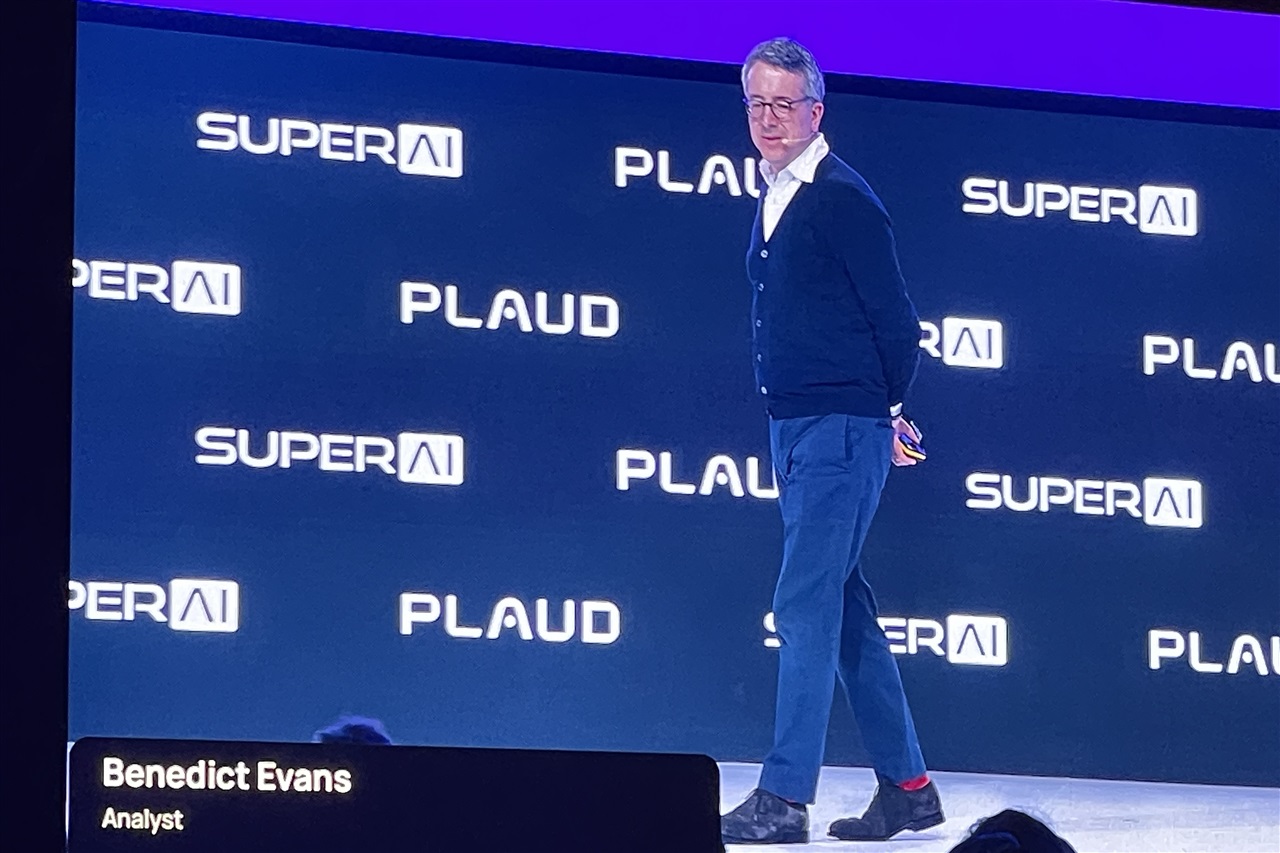
Technology analyst Benedict Evans has argued that the telecommunications industry offers a powerful warning about how this kind of thinking can go wrong. Over the last decade, telecom companies supplied the essential infrastructure that made the mobile internet possible. They built the networks, sold the data plans, and carried the traffic. Yet much of the real economic value went elsewhere.
The biggest winners were not necessarily the companies charging by the gigabyte. Instead, value flowed to the platforms, apps, services, and ecosystems built on top of those networks. Telecom operators enabled the mobile revolution, but they did not capture the majority of its profits.
That history matters because AI could follow a similar path.
If artificial intelligence is treated only as raw compute or a metered service, the companies selling access to AI models may eventually face the same problem telecom providers did. They may become essential, but interchangeable. Important, but pressured on price. Widely used, but not always the place where the biggest profits are made.
The real question is not whether people will use AI. They clearly will. The bigger question is where the value will settle.
Will it belong to the companies running large AI models? Will it go to businesses that integrate AI into software, search, productivity tools, healthcare, finance, entertainment, and education? Or will the biggest gains come from entirely new products that use AI in ways that are difficult to imagine today?
The electricity comparison suggests that AI becomes a background utility: always available, billed by usage, and mostly invisible. But the telecom comparison suggests something more complicated. Infrastructure matters, but the applications built on top of it can become far more valuable than the infrastructure itself.
This is especially important as AI becomes more deeply embedded into everyday work. Businesses are not simply looking to buy “intelligence by the meter.” They want outcomes. They want faster customer service, better software development, smarter marketing, automated research, improved decision-making, and lower operating costs.
In other words, customers may not care how many tokens, prompts, or model calls they use. They care about what AI actually does for them.
That shift could reshape the entire AI market. Companies that package artificial intelligence into useful tools may have a stronger position than those selling access to general-purpose models alone. Distribution, user experience, trust, workflow integration, and industry-specific knowledge could matter just as much as model performance.
This does not mean AI infrastructure is unimportant. Far from it. Powerful models, advanced chips, massive data centers, and cloud platforms remain critical to the future of artificial intelligence. Without them, the AI boom would not exist.
But history shows that owning the pipes is not always the same as owning the profit.
The mobile internet transformed the world, but telecom companies often watched as app stores, social platforms, advertising networks, and software businesses captured the most exciting growth. AI companies now face a similar challenge: if intelligence becomes abundant, the market may reward those who turn it into indispensable products rather than those who merely meter access to it.
That is why the future of AI may not look exactly like electricity. It may look more like the internet: a foundational technology that creates enormous value, but not always in the places people first expect.
Artificial intelligence may still “eat the world,” but the winners could be the companies that understand how to serve the meal.