WhatsApp Username Reservations Raise Privacy Hopes and Impersonation Concerns Ahead of Wider Launch
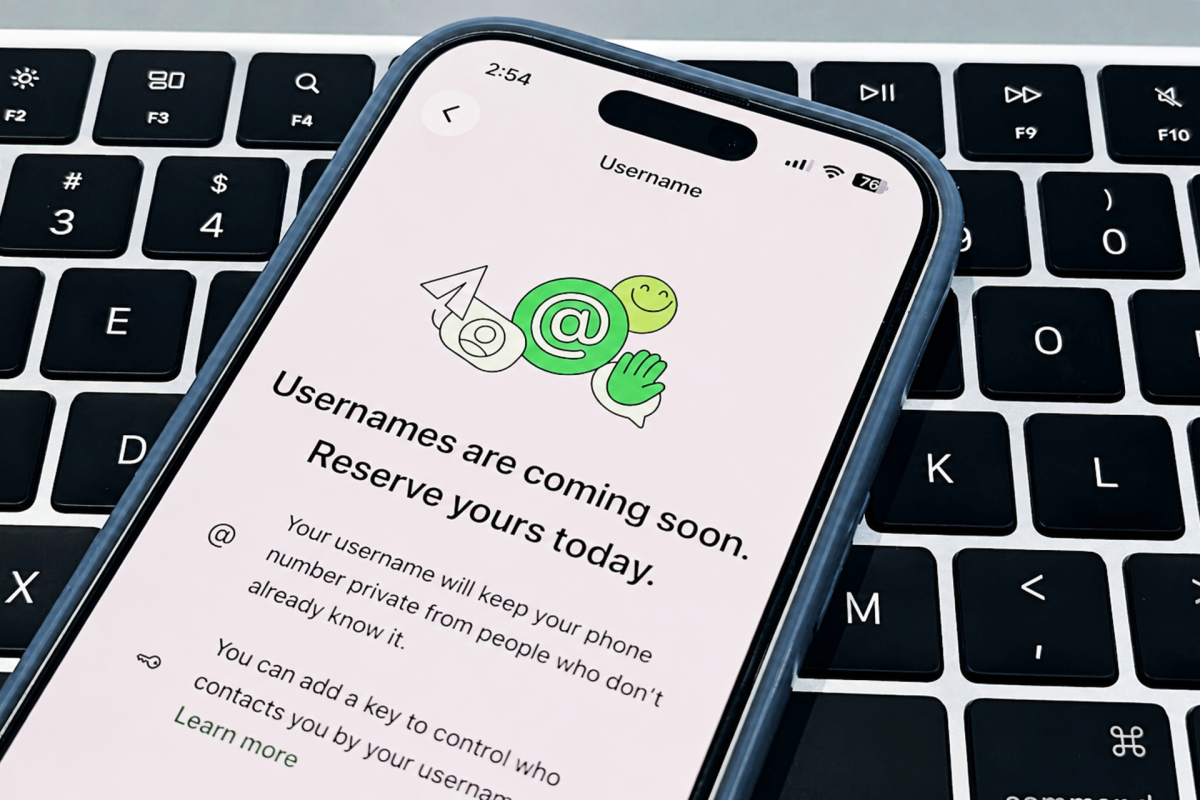
WhatsApp has started rolling out username reservations as it prepares for a broader launch of the feature later this year. The update could significantly change how people connect on the messaging app, allowing users to find and message others through usernames instead of relying only on phone numbers.
For many users, this could be a welcome privacy upgrade. Sharing a phone number online or with strangers can expose people to spam, phishing attempts, SIM-swap risks, and unwanted contact. A WhatsApp username system may give users more control over how they are discovered and contacted.
However, the early rollout is already raising concerns, especially in India, WhatsApp’s largest market with more than 500 million users. Security experts and regulators are warning that usernames could also make it easier for scammers to impersonate public figures, companies, banks, government departments, and other trusted institutions.
The central concern is simple: if someone can reserve a username that looks similar to a famous person, official agency, or financial institution, unsuspecting users may believe they are interacting with a legitimate account. This could open the door to phishing, fraud, harassment, fake customer support scams, and impersonation-based attacks.
During early testing, several usernames resembling prominent Indian public figures, celebrities, business names, and institutions were reportedly still available. Examples included handles that appeared to reference Prime Minister Narendra Modi, Bollywood stars Shah Rukh Khan and Amitabh Bachchan, billionaire Mukesh Ambani’s telecom brand Jio, and the Reserve Bank of India. The availability of such lookalike names has intensified questions about how WhatsApp plans to prevent misuse.
Meta, WhatsApp’s parent company, has said it is reserving usernames for public figures, government bodies, and some variations of those names so they can only be claimed by legitimate owners. Still, the company has not clearly explained how it decides which similar usernames should be blocked in advance and which ones remain available.
India’s Ministry of Electronics and Information Technology has reportedly raised concerns with WhatsApp over the feature. The ministry warned that username-based messaging could increase online fraud, phishing, digital arrest scams, and impersonation attacks because bad actors may be able to contact users without revealing their phone numbers.
The ministry also expressed concern that usernames closely resembling those of real individuals, financial institutions, public authorities, and government agencies could be used to mislead people. It asked WhatsApp to explain why action should not be taken under India’s information technology rules and urged the company not to proceed with a wider rollout until consultations are completed.
The issue has sparked debate among digital rights advocates as well. Some argue that while impersonation and fraud are genuine risks, decisions about product design should not be made privately through government letters. They say criminal misuse should be addressed through proper enforcement of existing laws, not by giving authorities broad power to approve or block features before launch.
The debate also reflects a broader concern around username-based platforms. Phone numbers, while not ideal for privacy, can sometimes help users verify whether they are communicating with the right person. Usernames can be easier to share and safer than exposing a number, but they can also be easier to imitate if platforms do not provide strong safeguards.
Cybersecurity experts say WhatsApp usernames could be a positive step for privacy if implemented carefully. Reducing the need to share phone numbers may help protect people from account takeover attempts, spam, and unwanted exposure. But experts also warn that users will need to be more cautious about verifying who they are talking to.
A key recommendation for everyday users is to choose a username that is not obvious or easy to guess. A predictable username could make it easier for scammers, spammers, or harassers to find and contact someone. Users should also avoid trusting an account simply because its username looks official. If someone claims to represent a bank, government office, business, or public figure, users should verify through a trusted channel before sharing personal information, money, verification codes, or documents.
WhatsApp has acknowledged that usernames will not work the same way for everyone. The company has said most users should choose a unique WhatsApp username. At the same time, it plans to allow people to claim existing Instagram or Facebook usernames by linking their accounts. This option is intended to help creators, businesses, and organizations maintain a consistent identity across Meta-owned platforms while reducing impersonation risks.
That approach may help well-known accounts protect their names, but it also raises questions about how deeply identity systems across Meta’s apps may become connected. Privacy advocates have noted that while this could make verification easier within Meta’s ecosystem, users still cannot easily move their identity or contact networks to competing messaging platforms.
For now, WhatsApp says it is moving slowly and collecting feedback before making usernames widely available. The company says it wants to get the feature right before the full rollout later this year.
The arrival of WhatsApp usernames could be one of the app’s biggest identity changes in years. If handled well, it may improve privacy and give users more control over how they connect. If handled poorly, it could create a new wave of impersonation scams on a platform already used by billions of people worldwide.
For users, the message is clear: usernames may make WhatsApp more private, but they will not automatically make it safer. Choosing a strong username, verifying identities carefully, and staying alert to suspicious messages will be essential as the feature expands.


