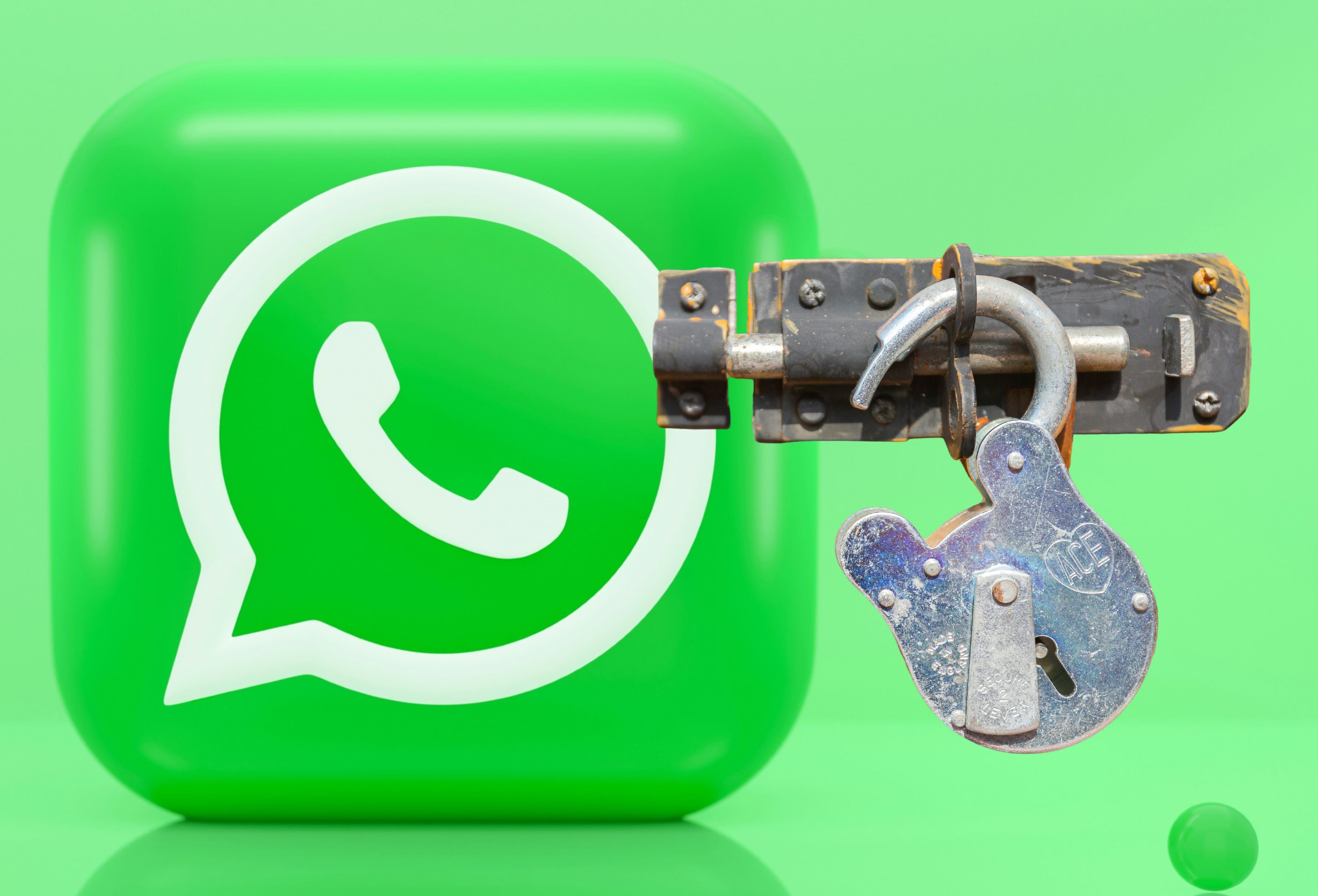
A new lawsuit is putting WhatsApp’s privacy promises under an uncomfortable spotlight, alleging that the app’s widely advertised end-to-end encryption protections don’t actually keep chats as private as users believe.
WhatsApp, owned by Meta, has long positioned itself as a “secure” messaging platform by emphasizing end-to-end encryption—meaning messages should be readable only by the sender and recipient, not by the service provider. The lawsuit challenges that premise directly. It cites claims from a group described as whistleblowers who allege that WhatsApp message data is not truly protected in the way users are led to expect, and that Meta employees can allegedly access customer messages far more easily than the company’s marketing suggests.
According to the filing, Meta engineers can reportedly gain access to user messaging data through an internal request process. The lawsuit describes a system where an employee submits a request (referred to as a “task”) explaining why access is needed for work. It then alleges that engineering teams may approve these requests frequently, and in many cases “without any scrutiny.” If accurate, the implications are significant: users who rely on WhatsApp encryption for private conversations could be exposed to internal access that they didn’t anticipate.
At the same time, the lawsuit—at least as described—does not publicly provide detailed technical evidence to prove its claims. That gap matters, because encryption and data access allegations typically require clear documentation, audits, or technical demonstrations to be definitive. Still, the fact that the claims have escalated into formal legal action is likely to intensify public attention, especially as digital privacy and secure messaging remain top concerns for consumers, businesses, and journalists worldwide.
Meta has denied the allegations, reportedly calling the lawsuit “absurd” and “categorically false.” The company’s response sets the stage for a potentially contentious dispute over what WhatsApp encryption does in practice versus what critics argue happens behind the scenes.
WhatsApp’s security has faced questions before, including public criticism from high-profile figures in the messaging space who have previously suggested there were weaknesses in WhatsApp’s implementation, though those critiques have not always included supporting technical details.
For everyday users, the controversy reinforces a key takeaway: “end-to-end encrypted” is a powerful claim, but trust is built not only on marketing language—it’s built on transparent security design, clear policies around internal access, and credible independent verification. As this lawsuit unfolds, it may shape how people evaluate WhatsApp privacy, Meta data handling practices, and what secure messaging should truly mean in 2026.