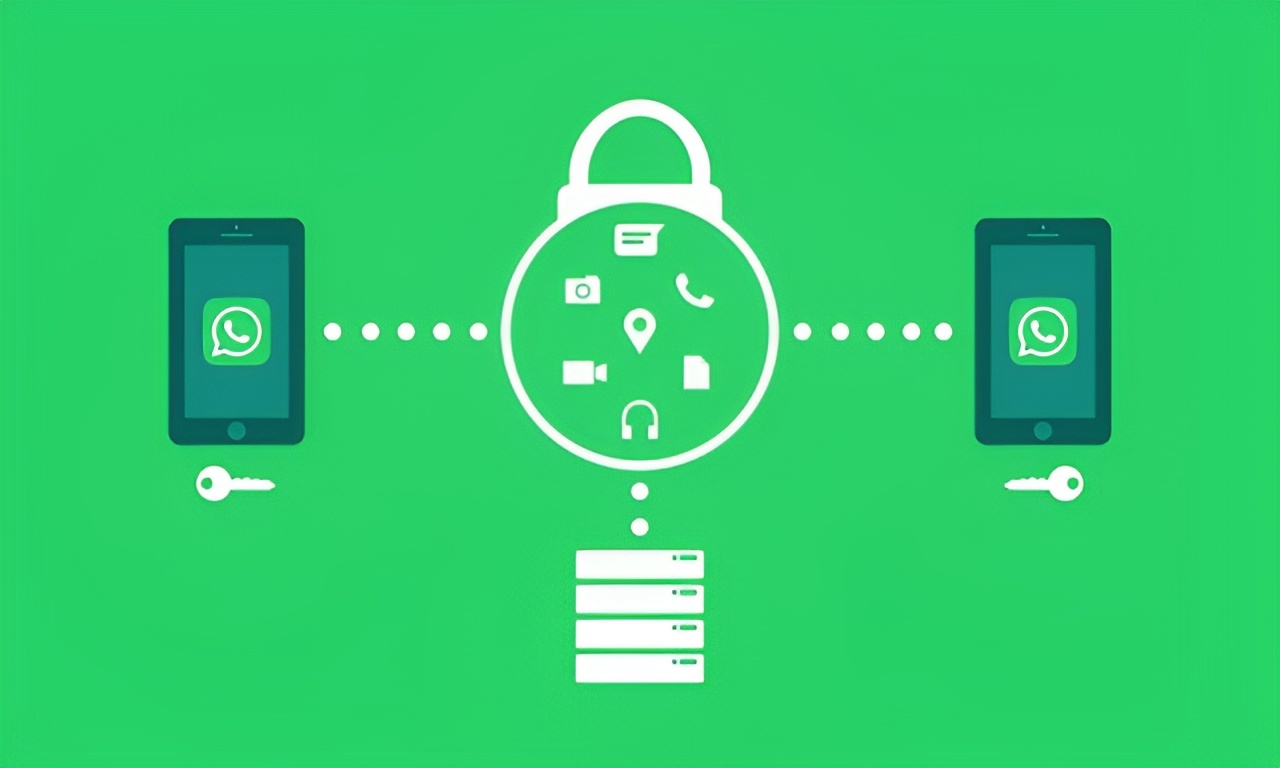
A newly filed lawsuit in the US is taking direct aim at one of Meta’s most repeated privacy promises: that WhatsApp’s end-to-end encryption keeps messages truly private. The plaintiffs argue that the encryption users rely on is little more than a marketing stunt, claiming that Meta and WhatsApp still have the ability to access private chats.
WhatsApp has long promoted end-to-end encryption as a key safeguard, saying it prevents outsiders, hackers, and even the company itself from reading message content. Meta has also highlighted additional privacy moves over the years, including expanding end-to-end encryption to cloud backups in 2021, a step presented as further proof that users’ conversations remain protected even when stored online.
But an international group of plaintiffs from Australia, Brazil, India, Mexico, and South Africa is now challenging that narrative in court. According to the complaint, “whistleblowers” have provided information suggesting that Meta and WhatsApp “store, analyze, and can access virtually all of WhatsApp users’ purportedly ‘private’ communications.” In other words, the lawsuit alleges that WhatsApp and Meta may be able to access the substance of messages despite public claims that end-to-end encryption makes that impossible.
Notably, while the plaintiffs insist the companies can access message content, they have not publicly detailed exactly how this would work, nor have they provided specifics about what the whistleblowers revealed or how the alleged access occurs.
The case has been filed in US District Court in San Francisco, with the plaintiffs seeking class-action status. Meta has forcefully rejected the allegations, calling them “categorically false and absurd” and dismissing the lawsuit as a “frivolous work of fiction.” The company also reiterated that WhatsApp has used end-to-end encryption based on the Signal protocol for roughly a decade.
As the lawsuit moves forward, it could put WhatsApp’s privacy claims under intense legal scrutiny at a time when consumers are increasingly sensitive to how messaging apps handle data, encryption, and cloud backups. If the court allows the case to proceed as a class action, the stakes could rise significantly—not just for Meta, but for broader public trust in encrypted messaging platforms.