Fresh leaks are painting a clearer picture of the Vivo X300 Ultra, and if they hold true, Vivo’s next flagship could be gearing up for a head-to-head showdown with other top-tier camera phones in 2026. While recent database sightings have sparked optimism that the device is progressing toward launch, a well-known tipster has now added more details about the display, camera hardware, and battery—plus one potential change that may divide photography fans.
One of the biggest design highlights appears to be the screen. The Vivo X300 Ultra is rumored to use a flat 6.82-inch OLED panel made by BOE, paired with slim bezels and a flat metal frame. That combination suggests Vivo is leaning into a cleaner, more modern flagship feel: large, immersive, and premium, without the curved edges that some users find harder to grip or more prone to accidental touches.
However, the most talked-about detail is what might be missing. The Vivo X300 Ultra is said to be dropping the dedicated camera shutter button. If true, that’s a noticeable shift—especially for users who treat their phone like a real camera and loved the quick, tactile control found on the Vivo X200 Ultra. Removing a shutter key could make shooting feel less “camera-like,” particularly for quick street photos or one-handed captures.
This move may also reflect a broader market trend. Competing brands have increasingly favored optional camera accessories rather than building extra physical controls directly into the phone. In other words, instead of a built-in shutter button, buyers may be encouraged to add grip-style accessories if they want a more traditional photography experience.
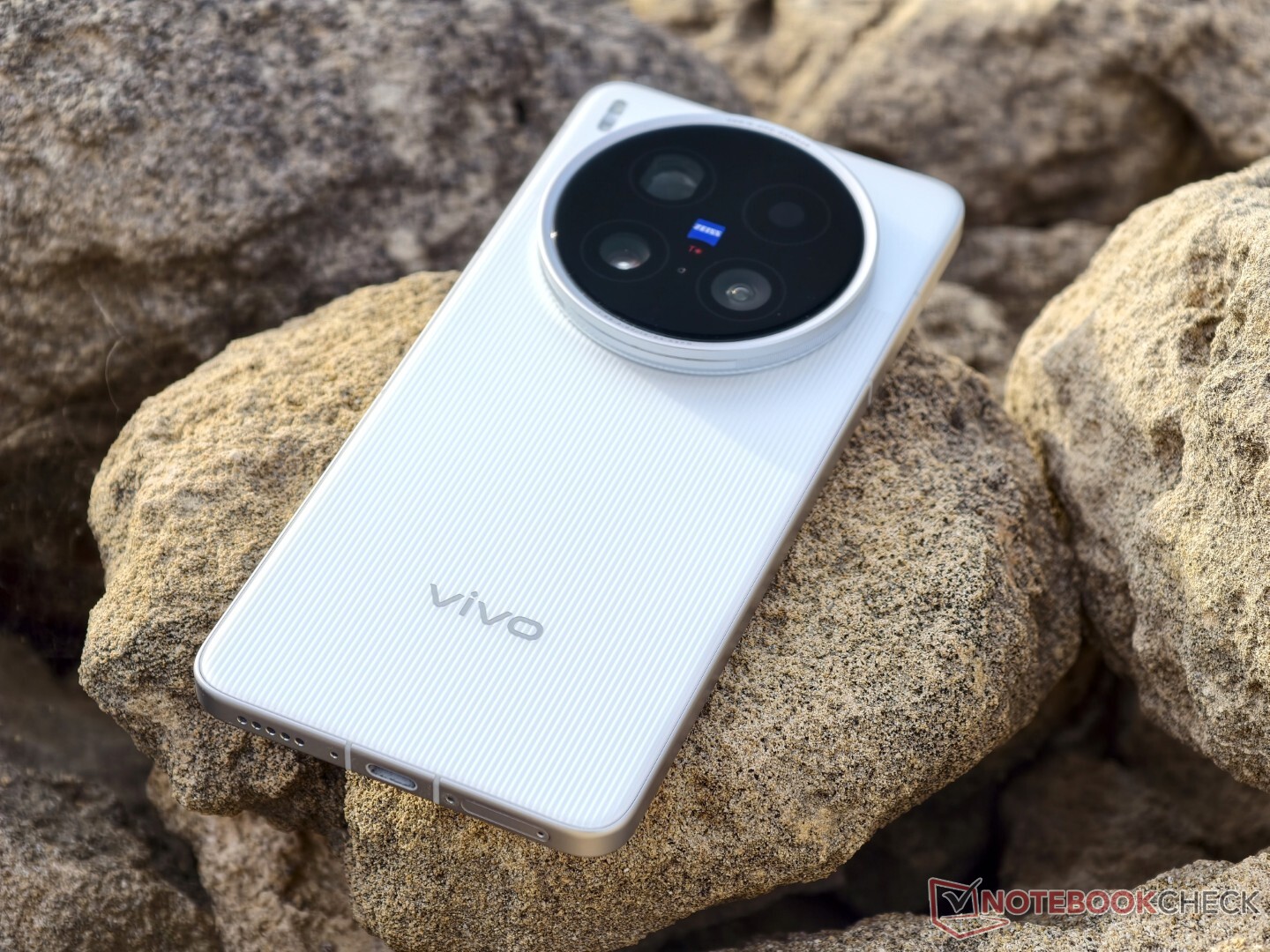
On the camera side, the Vivo X300 Ultra is expected to keep its signature round Zeiss-branded camera module, with the overall thickness reportedly staying the same. There is, however, a possible internal rearrangement: the 200MP periscope telephoto camera is rumored to shift toward the right side within the circular module. That doesn’t necessarily change what the camera can do, but it hints at new internal engineering—possibly tied to sensor size, lens layout, or stabilization hardware.
Battery capacity is another area where the leak includes a major detail—and a familiar frustration. The China version of the Vivo X300 Ultra is said to top out around 7,000mAh, which would be a massive capacity for a flagship and a big win for power users, camera-heavy days, and travel. Unfortunately, the global version is expected to come with a significantly smaller single-cell battery. If that happens, it could create a noticeable gap in real-world endurance between regions, especially for users who choose the Ultra specifically for heavy photography and video.
As for camera focal lengths, the overall setup reportedly isn’t changing. The X300 Ultra is still expected to offer a three-camera configuration that translates to 14mm, 35mm, and 85mm focal lengths. That’s a versatile spread: an ultra-wide for sweeping landscapes and architecture, a more natural 35mm-style view for everyday shots, and a portrait-friendly 85mm telephoto for subject separation and close-ups.
The biggest imaging upgrade may come from the sensor itself. Earlier leaks suggest Vivo could introduce a new 1/1.12-inch Sony LYT-901 200MP sensor. If accurate, that’s the kind of hardware change that can meaningfully impact detail, cropping flexibility, and low-light performance—especially when paired with strong computational photography and a capable periscope system.
Taken together, these leaks suggest the Vivo X300 Ultra is shaping up to focus on premium build quality, a large flat OLED display, and serious camera hardware, while potentially stepping back from dedicated physical camera controls. For buyers who prioritize maximum battery life and camera convenience, the final specs—especially the battery choice for global models and the decision on a shutter button—could be the details that make or break the upgrade.


