Valve has finally locked in key details for its long-anticipated Steam Controller, confirming both a release date and pricing after more than a decade of development. The new controller will arrive on May 4 with a recommended retail price of $99, giving PC gamers, Steam Deck owners, and controller fans a clear timeline for when they can get their hands on Valve’s latest gamepad.
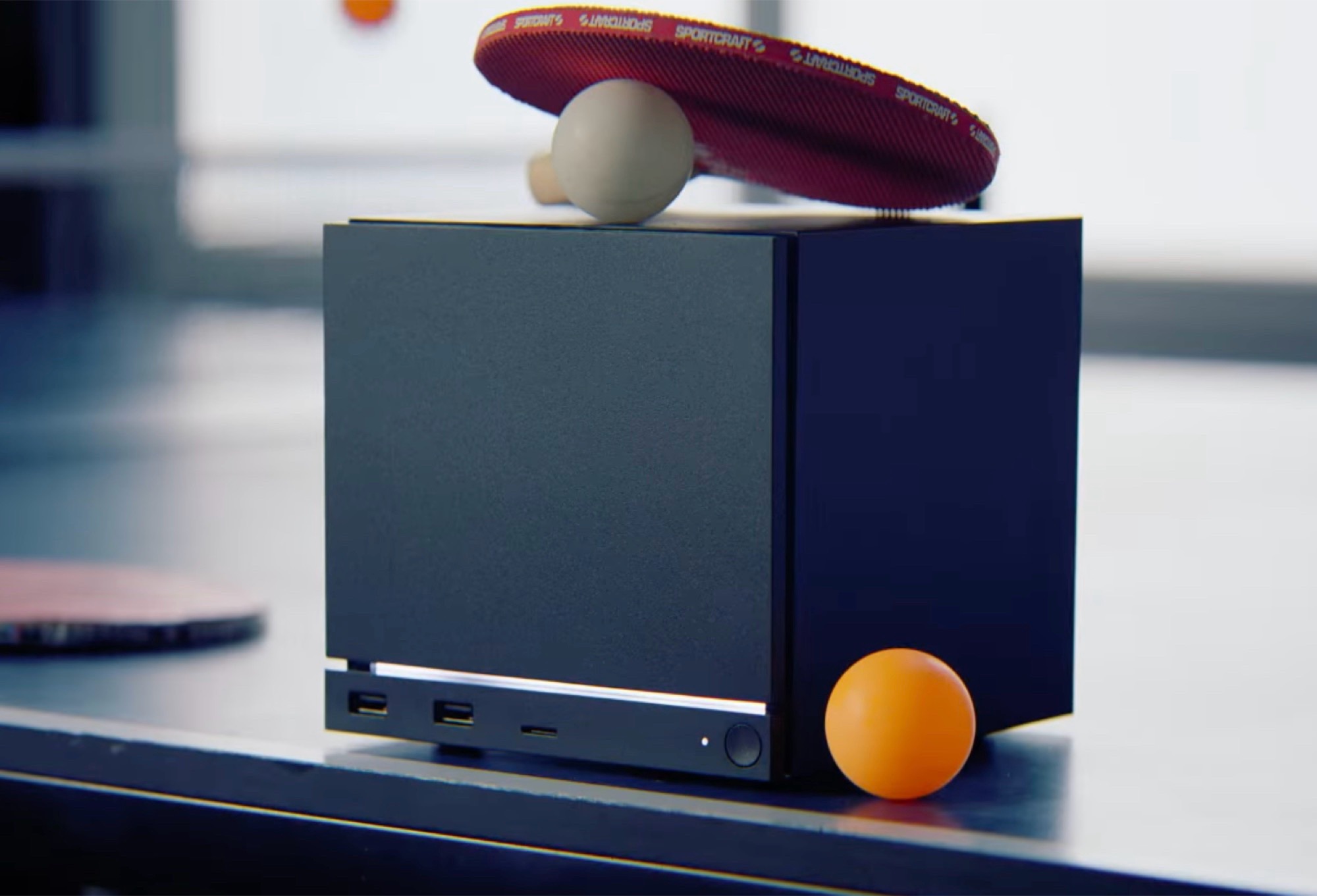
What’s still missing, however, is the same level of certainty around the Steam Machine. Valve continues to say its Linux-based gaming console is planned for launch sometime in 2026, but the company has not confirmed a specific release date or an official price. That gap has raised an obvious question for Steam fans: why launch the Steam Controller first instead of releasing it alongside the Steam Machine?
Valve hardware engineer Steve Cardinali explained that the two products aren’t tied together in the way many people assume. The Steam Controller, unlike a full console, doesn’t rely on system memory components such as RAM, which makes it far less vulnerable to the ongoing DRAM market problems affecting electronics manufacturing. In other words, Valve can ship the controller without waiting for the supply chain to stabilize.
That same DRAM situation is a major factor behind the delayed Steam Machine. RAM prices remain unusually high and supply is constrained, creating serious hurdles for companies that don’t have the same purchasing power as the largest hardware makers. With memory availability limited, smaller buyers like Valve can struggle to secure enough stock at a workable cost to manufacture a new console at scale.
Valve also indicated it never intended for the Steam Controller and Steam Machine to debut at the exact same time. The internal goal was simple: the controller shouldn’t arrive after the console. With the Steam Machine still waiting on a clearer production path, the Steam Controller is now free to launch first.
Just as important, Valve is positioning the Steam Controller as a broader accessory rather than something made only for future Steam Machine owners. It will work with the Steam Deck and with Windows PCs and Macs running Steam, expanding its appeal to a much larger audience of gamers who want a dedicated controller option for their Steam library.
As for the controller’s distinctive, angular look, Valve says it’s the result of prioritizing ergonomics over aesthetics. After more than ten years of refinement, the design reflects a long development cycle focused on comfort and function rather than following typical gamepad styling.
For now, the Steam Controller has a firm release date and a clear $99 price tag, while the Steam Machine remains a 2026 product with unanswered questions. The timeline split comes down to practical realities: a controller can ship without RAM, but a new console can’t escape the ongoing memory supply crunch.