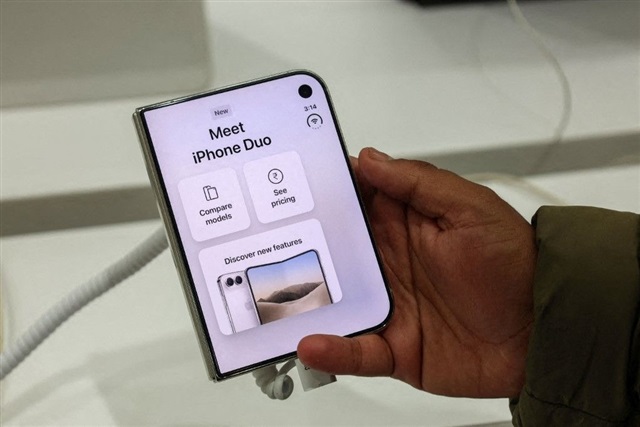
UTI Begins Ultra-Thin Glass Shipments for Apple’s Rumored iPhone Duo, but Production Faces Delay
South Korean glass specialist UTI has reportedly started shipping ultra-thin glass cover panels for Apple’s first foldable smartphone, widely referred to as the iPhone Duo. The components are being sent to Samsung Display, which is expected to play a major role in supplying the foldable display technology for the device.
UTI is understood to be Apple’s second supplier for ultra-thin glass, often called UTG. This material is a key part of modern foldable phones because it helps protect the flexible screen while keeping the display thin, smooth, and durable. For a foldable iPhone, the quality of this glass will be especially important, as Apple is expected to place a strong focus on hinge reliability, screen feel, crease reduction, and long-term durability.
However, the project may not be moving as quickly as initially planned. Mass production is said to be running about one quarter behind schedule, suggesting that Apple’s foldable iPhone timeline could be facing supply chain or manufacturing challenges. Delays in UTG production are not unusual in the foldable device market, where even small imperfections in glass thickness, flexibility, or strength can affect final product quality.
The reported shipment start is still a positive sign for Apple’s foldable iPhone plans. It indicates that the supply chain is gradually taking shape and that key display components are moving into the next stage of preparation. Samsung Display’s involvement also points to Apple relying on proven foldable display expertise as it works toward launching a device that could compete in the premium foldable smartphone segment.
The iPhone Duo is expected to be one of Apple’s most significant product launches if it reaches the market. A foldable iPhone could attract users looking for a larger screen in a pocket-friendly form factor, while also giving Apple a new way to expand its flagship iPhone lineup.
For now, the beginning of UTI’s UTG shipments marks an important step forward, even if mass production is currently behind schedule. As Apple continues refining its first foldable smartphone, the performance and reliability of ultra-thin glass will likely remain one of the most important factors shaping the final device.