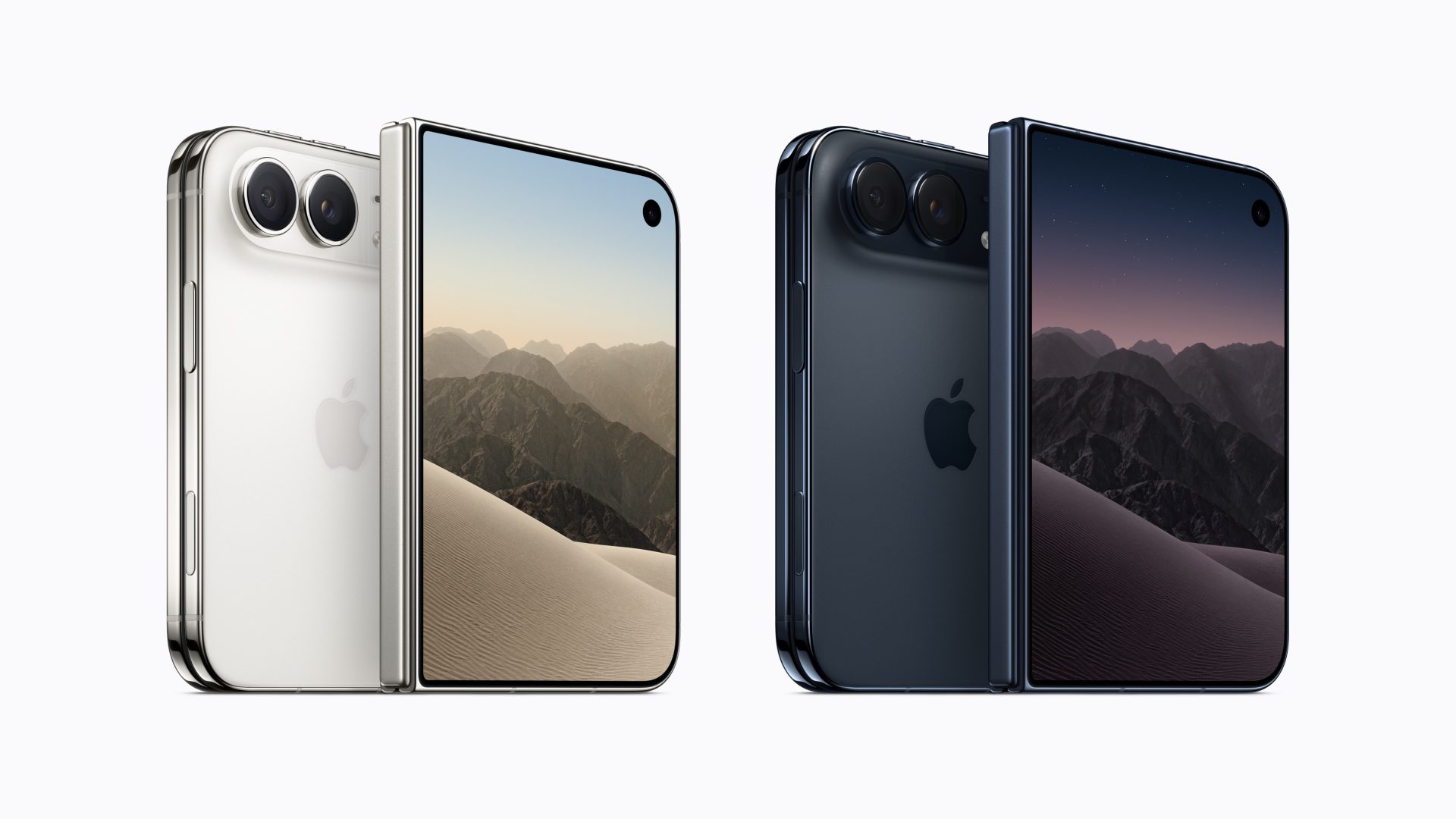
Apple’s First Foldable iPhone Duo Reportedly Gets Exclusive Samsung Display Deal
Apple’s long-rumored foldable iPhone may be moving closer to reality, and new details suggest the company is taking the display hardware very seriously. According to recent claims from a Weibo-based tipster, Apple has reportedly signed a three-year exclusive supply agreement with Samsung for advanced foldable OLED panels that will be used in its first foldable device, expected to be called the iPhone Duo.
The deal could give Apple access to Samsung’s latest foldable display technology while also making Samsung a major beneficiary of Apple’s entry into the foldable smartphone market. The inner foldable display is said to cost Apple around $250 per panel, making it one of the most expensive components in the device. Additional reported component costs include around $80 for the outer cover display and about $280 for the A20 Pro chip.
One of the biggest highlights is Apple’s reported use of Samsung’s M16 OLED panels for both the cover screen and the main foldable inner display. The M16 panel is described as a native 10-bit OLED screen and is expected to offer improved color performance and power efficiency. A key upgrade is the shift from blue fluorescent OLED material to blue phosphorescent material, a change that could help reduce power consumption while improving overall display performance.
Foldable phones have often faced criticism over durability, creasing, scratching, and long-term reliability. Apple appears to be targeting those pain points directly with a more advanced display structure for the iPhone Duo. The inner screen is reportedly built with an OLED panel positioned between two layers of ultra-thin glass. This design is said to use custom viscoelastic adhesives that allow the layers to move against each other smoothly when the device is folded and unfolded, similar to the way pages shift inside a book.
The iPhone Duo’s display stack is also rumored to include a custom polymer nano-textured top layer, which is the surface users will touch. This layer is reportedly around 40 percent stiffer than materials commonly used in current foldable phones. That could help the screen feel more solid and reduce the soft, plastic-like sensation often associated with foldable displays.
Apple is also said to be adding a scratch-resistant coating to the nano-textured surface. If accurate, this would address one of the most common concerns among foldable phone buyers: whether the inner screen can withstand daily use without showing marks too easily.
Another detail reportedly included in the display design is a titanium plate and related support structure beneath the display stack. This could improve rigidity, strengthen the folding area, and contribute to a more premium feel. Apple has already used titanium in recent high-end iPhone models, so its appearance in a foldable design would fit the company’s current hardware direction.
The rumored pricing of the display components suggests the iPhone Duo could be positioned as an ultra-premium device. Foldable smartphones already carry higher production costs than traditional slab-style phones, and Apple’s use of customized display materials, advanced glass layers, and exclusive Samsung panel technology may push the final retail price well above current flagship iPhones.
Still, Apple’s entry into the foldable phone market could be a turning point. While several Android brands have already released multiple generations of foldable devices, Apple has waited longer, likely focusing on durability, software experience, and supply chain readiness. If the iPhone Duo launches with a more refined display, stronger hinge integration, and better long-term reliability, it could attract users who have been interested in foldables but hesitant to switch away from the iPhone ecosystem.
For Samsung, the reported agreement could be highly profitable. Supplying the main foldable display for Apple’s first foldable iPhone would place Samsung at the center of one of the most anticipated smartphone launches in years. With each inner display panel reportedly costing $250, the contract could generate significant revenue if Apple produces the iPhone Duo at scale.
Although Apple has not officially confirmed the iPhone Duo, the growing number of supply chain rumors suggests development is progressing. If the reports prove accurate, Apple’s first foldable iPhone may focus heavily on solving the biggest weaknesses of foldable displays: durability, efficiency, scratches, and screen feel.
The iPhone Duo could become one of Apple’s most important product launches in years, not simply because it folds, but because it may redefine what users expect from a premium foldable smartphone.