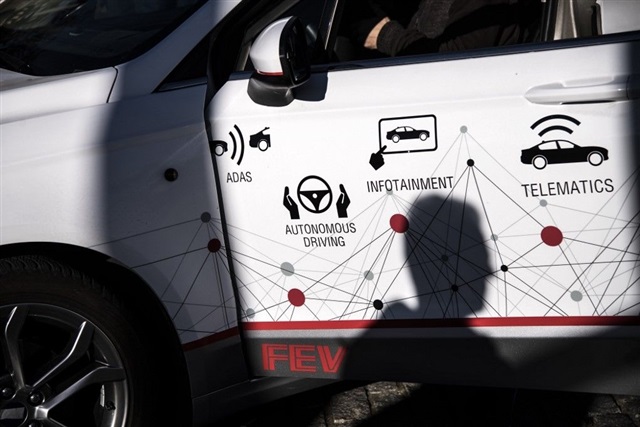
The United States is ramping up its crackdown on Chinese-made vehicles. While a hefty 100% tariff already targets Chinese electric vehicles (EVs), recent developments suggest that the US Department of Commerce (DOC) is poised to take even harsher measures. There’s talk that the DOC is considering a ban on the sale and usage of Chinese vehicles equipped with internet connectivity features.
This move seems to be fueled by rising cybersecurity concerns surrounding these connected vehicles. With increasing reports of data vulnerability and potential espionage risks, the US government appears determined to safeguard its national security by tightening the reins on technology imports, particularly those originating from China.
The implications of such a ban could be far-reaching. Not only would it significantly impact Chinese auto manufacturers, who have been gradually making strides in the American market, but it could also influence the broader dynamics of the global auto industry. Additionally, American consumers accustomed to a wide array of options might find their choices somewhat limited should this ban come into effect.
Yet, this is not an entirely unexpected development. The broader geopolitical tensions between the US and China have invariably spilled over into trade and commerce, affecting various sectors. From telecommunications to technology and now to the automotive industry, the scrutiny seems ever-growing.
For US-based vehicle manufacturers, this could represent an opportunity to regain market share. With fewer foreign competitors, particularly from technologically advanced nations like China, American companies might find it easier to capture the domestic market. On the flip side, Chinese companies could experience a significant dip in their international ambitions.
This emerging scenario underscores the critical intersection of technology, commerce, and national security. It raises pertinent questions on the future of international trade relations and how countries might navigate the complex landscape of global market competitiveness while ensuring their own security.
As the US DOC moves closer to implementing these bans, industry analysts and consumers alike are closely watching. How these developments will shape the future of electric and connected vehicles in the US remains to be seen. One thing is clear, though: the road ahead is likely to be anything but smooth.