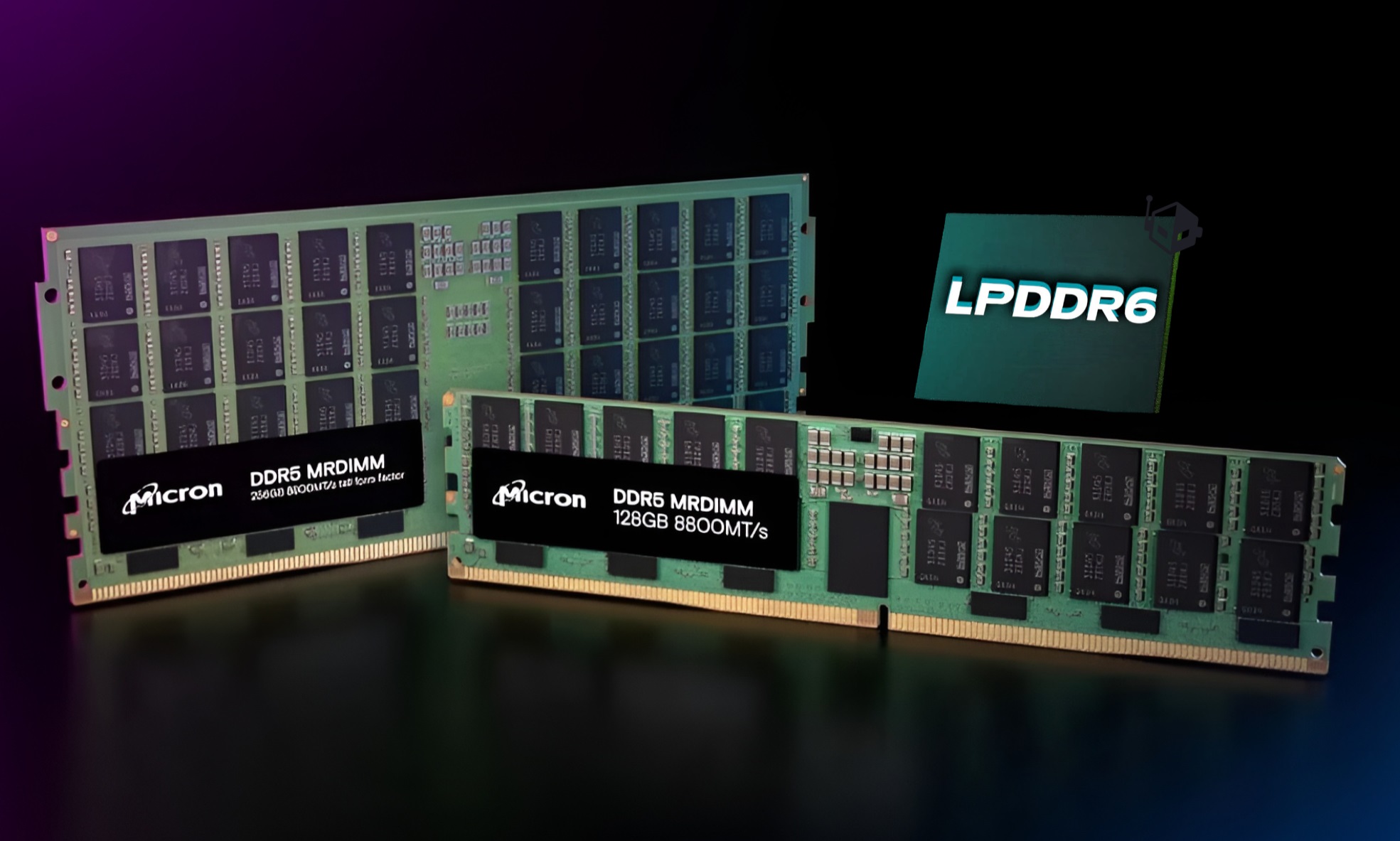
The introduction of the LPDDR6 memory standard marks a significant leap forward in mobile technology, promising to deliver enhanced performance, efficiency, security, and reliability. With plans for adoption by major memory manufacturers, this new standard is set to make waves across various industries.
LPDDR6, unveiled by JEDEC, builds on the foundations of its predecessors, LPDDR5 and LPDDR5X. This latest memory innovation is designed to cater to the demands of modern mobile platforms by offering high performance coupled with power efficiency. The versatility of LPDDR6 means it will not only enhance mobile devices but will also extend its benefits to sectors like edge AI computing, client systems, data centers, and the automotive industry.
The development of LPDDR6 reflects the commitment of JEDEC and its JC-42.6 Subcommittee for Low Power Memories. This advancement strikes a balance between power efficiency, robust security features, and high performance, making it a perfect fit for the next generation of mobile and AI applications in a power-conscious, high-performance landscape.
Key enhancements in LPDDR6 include the introduction of a Dual Sub-Channel Architecture, which optimizes latency and access speed with two sub-channels per die, each containing 12 DQs. This improvement leads to better performance compared to LPDDR5, which features 16 DQ lines per channel. Additionally, LPDDR6 advances power efficiency by using lower voltages and incorporates DVFSL (Dynamic Voltage Frequency Scaling for Low Power) to adjust voltages during low-frequency operations. The new Dynamic Efficiency Mode utilizes a single sub-channel for low-power states, representing a clear advancement in energy conservation over previous versions.
From a security and reliability perspective, LPDDR6 introduces several features like On-Die Error Correction (ECC), CA Parity + MBIST, PRAC (Per Row Activation Counting), and Meta Region Carve-out. These enhancements aim to ensure data integrity and bolster overall reliability by catching memory errors.
The impact of LPDDR6 is expected to be far-reaching, influencing not only mobile applications but also broader computing fields such as edge AI, client computers, data centers, and automotive technologies. Leading companies like MediaTek, Micron, Samsung, SK Hynix, and Qualcomm Technologies are set to be early adopters of this cutting-edge memory standard, paving the way for its widespread use.
With LPDDR6, the future looks promising for those seeking high performance coupled with energy efficiency and reliable security in their technology solutions.