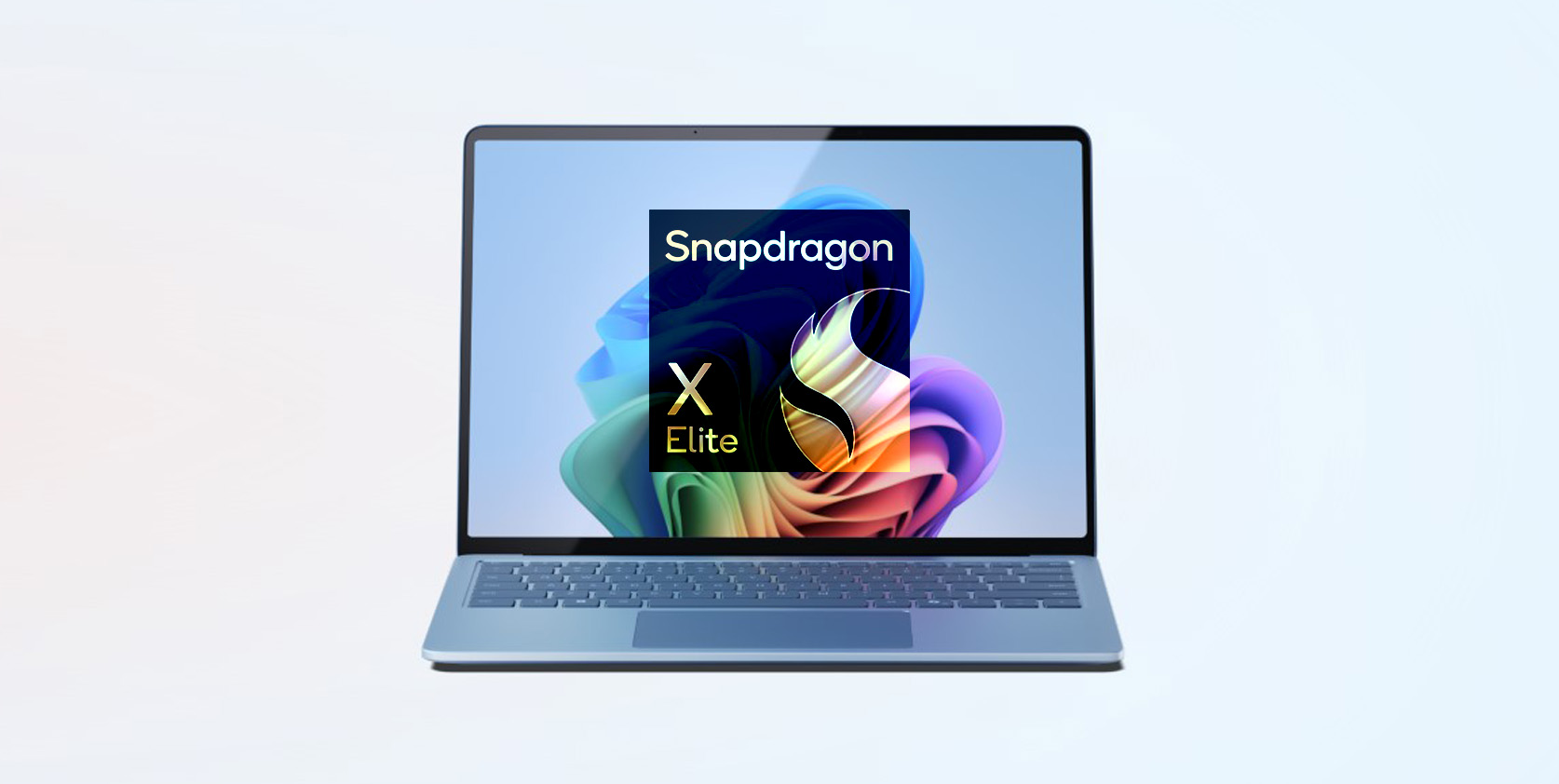
A persistent challenge for Windows laptop users is the gradual but certain drain of battery life during standby mode. Historically, neither system software advancements nor the capabilities of older chipsets have successfully tackled this issue, leaving many users frustrated with the decreased longevity of their laptop’s battery life when not in use. However, the tides appear to be shifting with the introduction of the Surface Laptop 7, featuring Qualcomm’s Snapdragon X Elite chipset.
The performance of the Surface Laptop 7 in terms of standby battery life has been noteworthy. Users have reported that the device can sustain hours on end in standby without losing battery power – a significant improvement when evaluated against the traditional experiences with Windows laptops. Remarkably, one case details the device maintaining its full battery percentage even after the lid was closed for an extended period of 10 hours.
Typically, closing the lid of a Windows notebook prompts the system to enter sleep mode, a state designed to minimize battery usage while preserving the session’s current state for quick resumption. Unfortunately, the effectiveness of this mode has been questionable, with numerous users flagging battery drainage as an ongoing concern. Some have even resorted to using the ‘Hibernate’ function as a workaround. However, the advent of the Surface Laptop 7 might render these concerns and alternative practices obsolete.
Evidence of this leap in efficiency is an instance shared by Parker Burton, showcasing the Snapdragon X Elite’s capacity to sustain power. The feat of retaining battery charge over a prolonged period of 10 hours with the lid closed is no small accomplishment, hinting at either substantial improvements made by Microsoft in power management or the intrinsic efficiency of the Snapdragon X Elite chipset. Regardless of the underlying reason, this development is promising for Surface Laptop 7 owners and potentially for the broader market of users who need reliable standby performance from their devices.
It remains to be seen if laptops equipped with the Snapdragon X Elite will consistently deliver similar standby times, but as experiences are shared, further insight will likely emerge. This breakthrough could indicate the beginning of the end for common complaints about battery drainage during standby. Additionally, it raises questions about performance in laptops powered by x86 processors.
The world of computing is keenly anticipating what further innovations and improvements this technology will bring for future laptops, potentially transforming the way we manage and preserve laptop battery life during periods of inactivity.