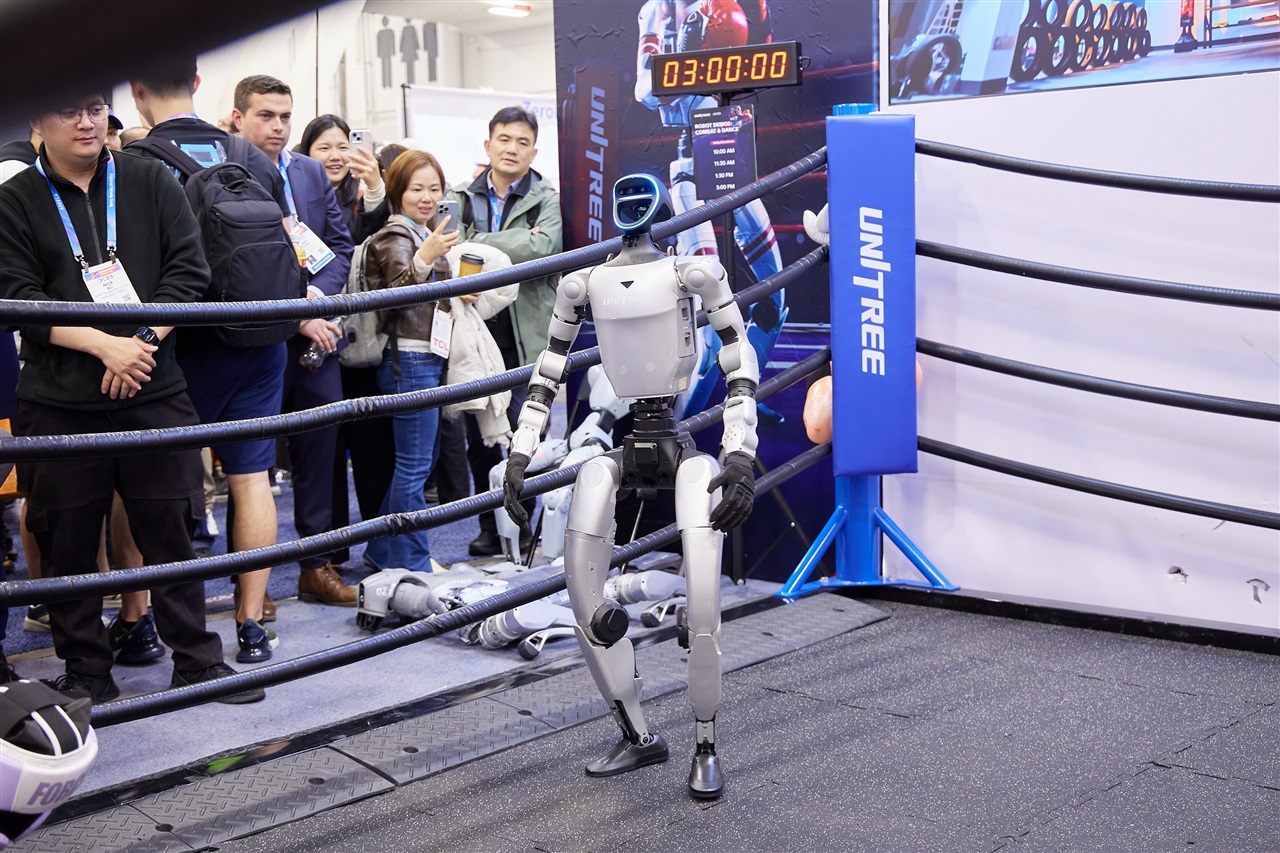
Unitree Robotics Moves Toward Shanghai Listing as Low-Cost Humanoid Robots Gain Momentum
Unitree Robotics is preparing for a potential stock market listing in Shanghai, and its message is capturing attention far beyond China’s technology sector: humanoid robots may soon become affordable enough to move from futuristic showcases into real-world workplaces.
The company is positioning itself around a bold idea. Instead of treating humanoid robots as expensive research projects or luxury demonstrations, Unitree aims to build them at lower cost and in larger volumes. That approach could make robots practical for specific labor-intensive tasks, especially in areas where repetitive physical work is common.
China has been pushing hard to become a global leader in robotics, artificial intelligence, and advanced manufacturing. Unitree’s planned listing fits into that wider strategy. If the company can prove that humanoid robots can be produced efficiently and sold at competitive prices, it could help accelerate adoption across factories, warehouses, logistics centers, service industries, and other commercial environments.
The key focus is not on replacing every human worker with a general-purpose robot. Instead, the near-term opportunity is much narrower and more realistic. Humanoid robots may first be used for defined tasks such as carrying items, moving through human-designed spaces, assisting in inspections, or handling repetitive duties that do not require complex decision-making.
That practical approach could be important for the robotics industry. Many humanoid robot projects have struggled because the machines were too expensive, too limited, or too difficult to deploy at scale. Unitree is trying to challenge that pattern by combining cost control, mass production, and rapid development.
A Shanghai listing would give Unitree greater visibility and potentially more capital to expand production, improve robot performance, and compete in a fast-growing global market. Investor interest is likely to focus on whether the company can turn technical progress into sustainable commercial demand.
The timing is significant. Around the world, companies are looking for ways to address labor shortages, rising wages, and the need for more automation. Humanoid robots are especially appealing because they are designed to operate in environments built for people, which could reduce the need for major infrastructure changes.
Still, major challenges remain. Humanoid robots must become more reliable, safer, easier to maintain, and capable of working for long hours in real business settings. Cost will also be critical. Even if robots are cheaper than before, buyers will want clear proof that they can deliver strong returns on investment.
Unitree’s push toward the public market is more than just a financial milestone. It is a test of whether low-cost humanoid robotics can move from hype to practical deployment. If the company succeeds, it could mark an important step in the shift toward wider robot adoption in everyday industries.
For now, Unitree’s planned Shanghai listing highlights one of the biggest questions in automation: can humanoid robots be built cheaply enough, produced at scale, and trusted to perform useful work? The answer could shape the next phase of robotics in China and across the global technology market.