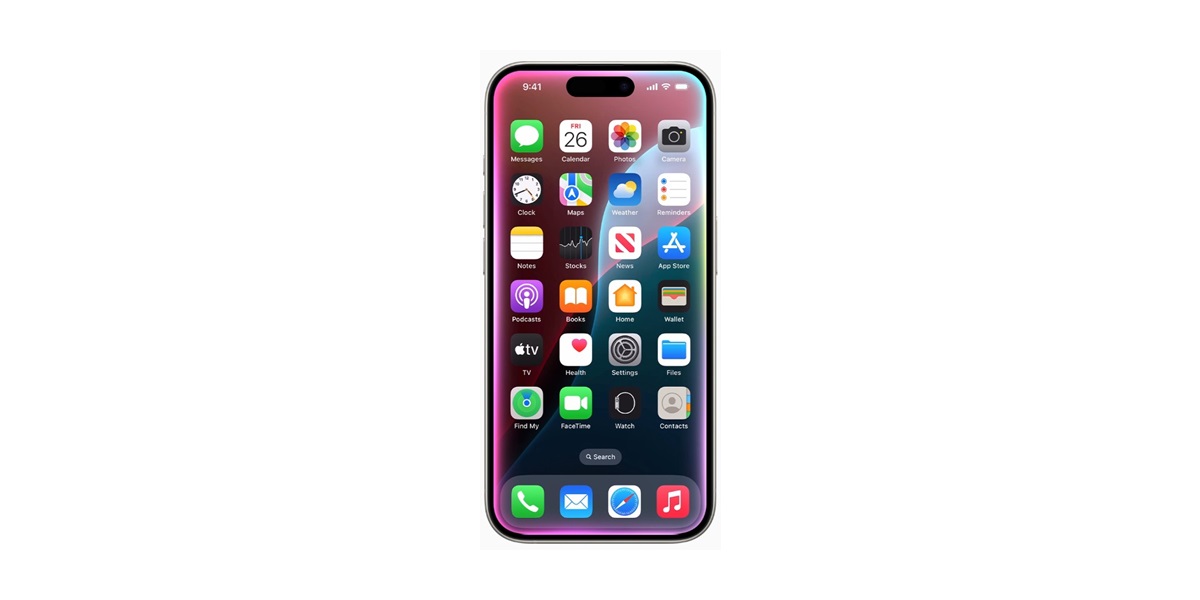
Recent updates from Apple have brought groundbreaking changes and enhancements to user experience through iOS 18, with one particularly advanced feature catching attention: Apple Intelligence. This feature, however, has been made exclusive to the iPhone 15 Pro models, as well as to iPad and Mac devices equipped with Apple Silicon. In response to curiosity and skepticism from customers and tech enthusiasts alike, Apple executives have provided clarity on why Apple Intelligence cannot be supported on older devices, affirming the decision is driven by technical requirements, not a marketing ploy.
Apple Insight: The Technological Necessity Behind Limiting Apple Intelligence to Newer Devices
In an enlightening discussion on The Talk Show From WWDC 2024, hosted by John Gruber of Daring Fireball, several pivotal Apple figures, including John Giannandrea, head of machine learning and AI, Greg Joswiak, marketing chief, and software head Craig Federighi, discussed the rationale behind this exclusivity.
Giannandrea explained the technical aspects that necessitate robust hardware to run Apple Intelligence. He emphasized that the generative AI large language models integral to Apple Intelligence demand substantial computational resources. He noted that while older devices could theoretically run these models, the impractically slow processing would lead to a less-than-optimal user experience.
Dispelling the Myths: Hardware Capabilities, Not Sales Tactics
Addressing suspicions of ulterior motives, namely pushing users to purchase newer gadgets, Joswiak pointed out that if sales were the sole focus, the requirements would not include the most recent models of iPads and Macs. Federighi added that their usual approach is to make features as broadly available as possible, but in the case of Apple Intelligence, the hardware requirements are non-negotiable to ensure functionality and performance.
The A17 Pro chip, which is the powerhouse behind the iPhone 15 Pro models, boasts a 16-core Neural Engine. This is a significant leap in capability over the A16 Bionic chip present in standard iPhone 15 models. It is this raw processing power that facilitates the execution of complex AI tasks on the device.
Conclusion: Performance Over Pushing Sales
In shedding light on the complexity and computational demands of Apple Intelligence, it is evident that the hardware limitations are a matter of practicality. Apple’s positioning of its advanced AI features as exclusive to certain devices is not an arbitrary decision to increase sales, but rather a necessity to deliver reliable and efficient performance that users expect from Apple products. These insights underscore the progressive trajectory of technology wherein newer applications often require the latest hardware advancements to function seamlessly.