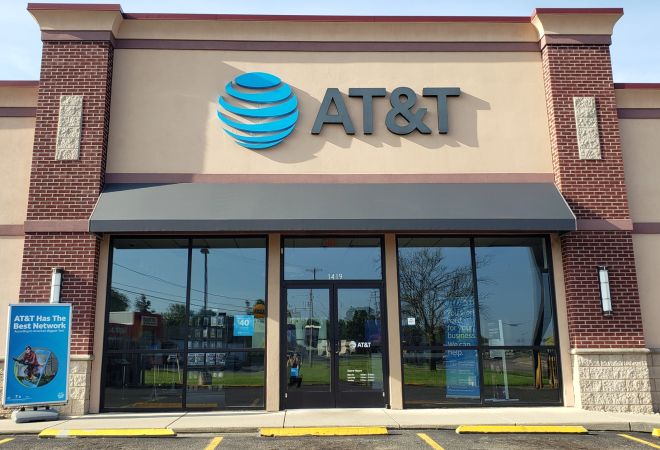
A significant customer data leak has put AT&T, the largest wireless carrier in the United States, in the spotlight. The telecommunications giant has acknowledged the exposure of customer data, which reportedly affects millions of its users. With 73 million customers—both current and former—impacted, the incident raises concerns about data security and the protection of personal information.
Despite the data being at least five years old, the leak’s gravity remains serious. Personal details, including social security numbers, account numbers, passcodes, and contact information, were included in the dataset found on the dark web. The age of the data does serve as a slight mitigating factor, but this leak nonetheless illustrates a critical teachable moment in digital security practices. Regularly updating passwords and ensuring their complexity is a critical defensive measure against such breaches.
Upon discovery, AT&T took swift action, initiating a mass passcode reset for affected current account holders. The company also confirmed the leak, although it denied any system breach. It is still unclear whether AT&T itself or one of its vendors was the source of the leak. External and internal experts’ preliminary investigations identified approximately 7.6 million current customers and roughly 65.4 million former customers whose data was compromised. AT&T is also preparing to contact former customers to inform them about the situation.
AT&T’s presence as a major player in the telecommunications industry cannot be overstated. It is the world’s fourth-largest telecom company by revenue and occupies the 13th spot on the Fortune 500 rankings for US companies. Notably, this data leak incident has yet to notably affect the company’s performance in the stock market.
For customers worried about their online security after such an incident, there are actionable steps to consider:
1. Regularly update your passwords, making sure they are strong and unique to each account.
2. Monitor your accounts for any unauthorized activity.
3. Contact your service provider to inquire about potential impacts on your data and the measures they are taking to safeguard it.
4. Consider subscribing to credit monitoring or identity theft protection services if sensitive information like social security numbers is implicated.
Understanding the importance of these steps can aid in the prevention of personal data exposure and mitigate harm in the event of future breaches. Although AT&T has faced this challenge head-on by resetting passcodes and planning to reach out to affected individuals, it highlights a continuing battle against data vulnerabilities in an increasingly digital world. Customers and companies alike must remain vigilant and proactive in protecting personal information.