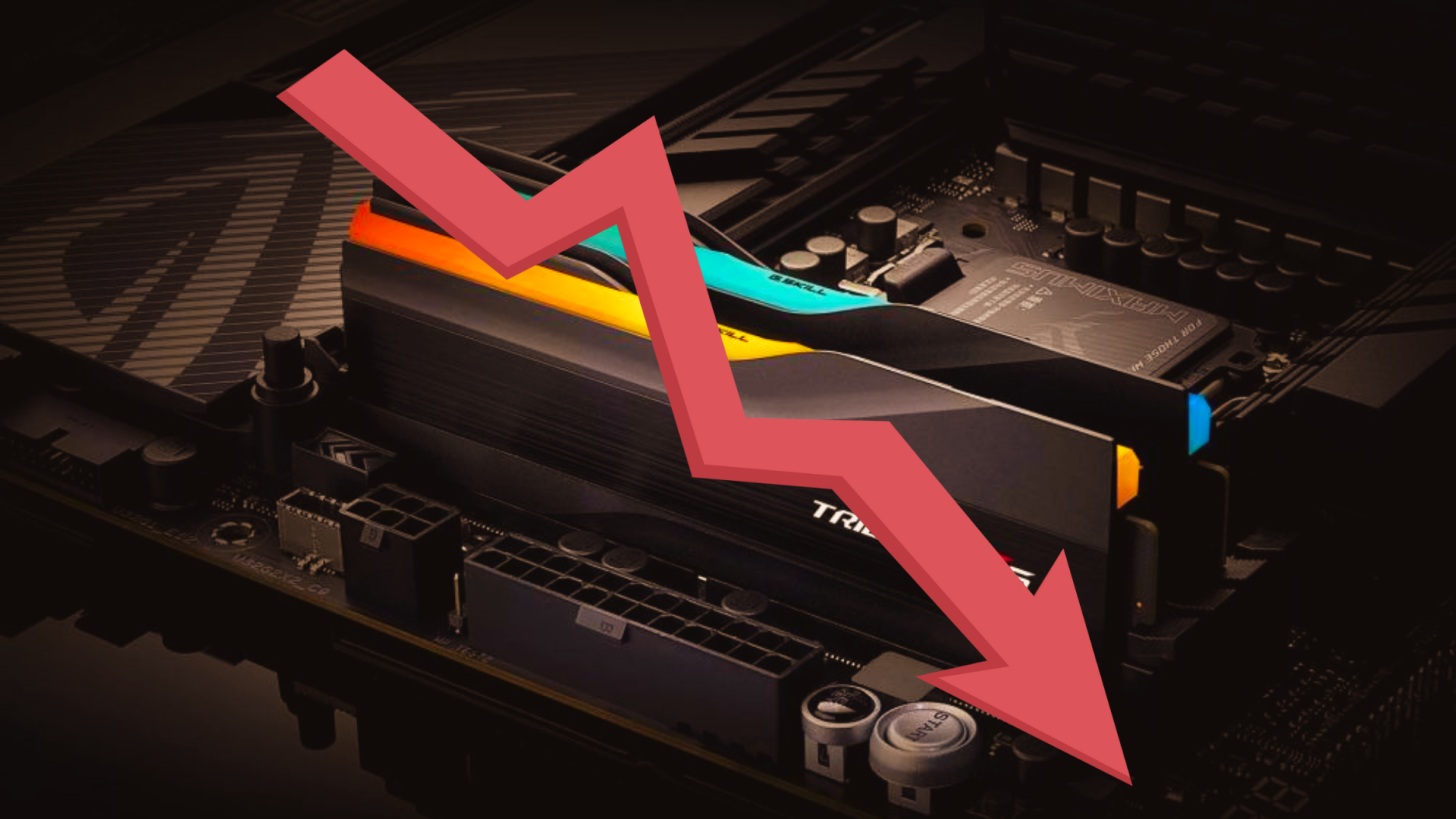
DRAM and NAND Prices Set for Steep Q3 Increase as Memory Shortage Deepens
The memory market appears to be entering another major pricing cycle, with analysts expecting sharp increases in DRAM, DDR, and NAND prices through the third quarter. According to UBS, the supply-demand imbalance in DRAM could persist for several more years, potentially lasting until the second quarter of 2028.
The latest outlook points to a much tighter market than previously expected. UBS now forecasts DDR contract prices to rise 32% quarter-over-quarter in the third quarter, a significant jump from its earlier estimate of 17%. The bank also raised its fourth-quarter forecast, expecting DDR prices to climb another 18% sequentially, compared with its previous projection of 12%.
DDR memory, a key type of DRAM used across PCs, servers, and other computing devices, is seeing especially strong pricing momentum. While exact price movements may vary depending on the product category and supplier, the broader trend is clear: memory buyers are likely to face higher costs in the months ahead.
UBS also expects NAND flash prices to move higher. The bank now projects NAND pricing to increase 30% quarter-over-quarter in the third quarter, nearly double its earlier estimate of 17%. For the fourth quarter, NAND prices are expected to rise by another 12%.
The main driver behind these price increases is a widening gap between demand and supply. UBS estimates that memory demand could grow by 36.2% in 2027, while supply may expand by only 19.3%. That imbalance suggests that shortages may not ease quickly, especially as data center operators and large cloud companies continue expanding infrastructure.
Higher memory prices could also push major technology buyers to seek additional funding from capital markets to support their growth plans. As DRAM and NAND become more expensive, the cost of building servers, storage systems, and high-performance computing infrastructure may continue to rise.
Market research also points to a tight DRAM environment in the third quarter. Broader DRAM prices are expected to rise around 18% sequentially, while NAND prices may increase by roughly 15%. However, analysts caution that the pace of price growth could be moderated by weaker consumer demand and the fact that prices are already starting from a much higher base.
This is especially true for NAND flash. Since NAND prices are already near record levels, buyers may have limited ability to absorb further increases. That could place some natural limits on how aggressively suppliers can raise prices, even in a shortage-driven market.
For consumers, rising DRAM and NAND prices may eventually affect the cost of PCs, smartphones, SSDs, gaming hardware, and other electronics. For businesses, the impact could be more immediate, particularly in servers, cloud infrastructure, and enterprise storage.
The latest forecasts suggest that the memory industry is entering a prolonged period of constrained supply and stronger pricing power. If demand continues to outpace production growth, DRAM and NAND prices may remain elevated well beyond 2024, reshaping costs across the technology supply chain.