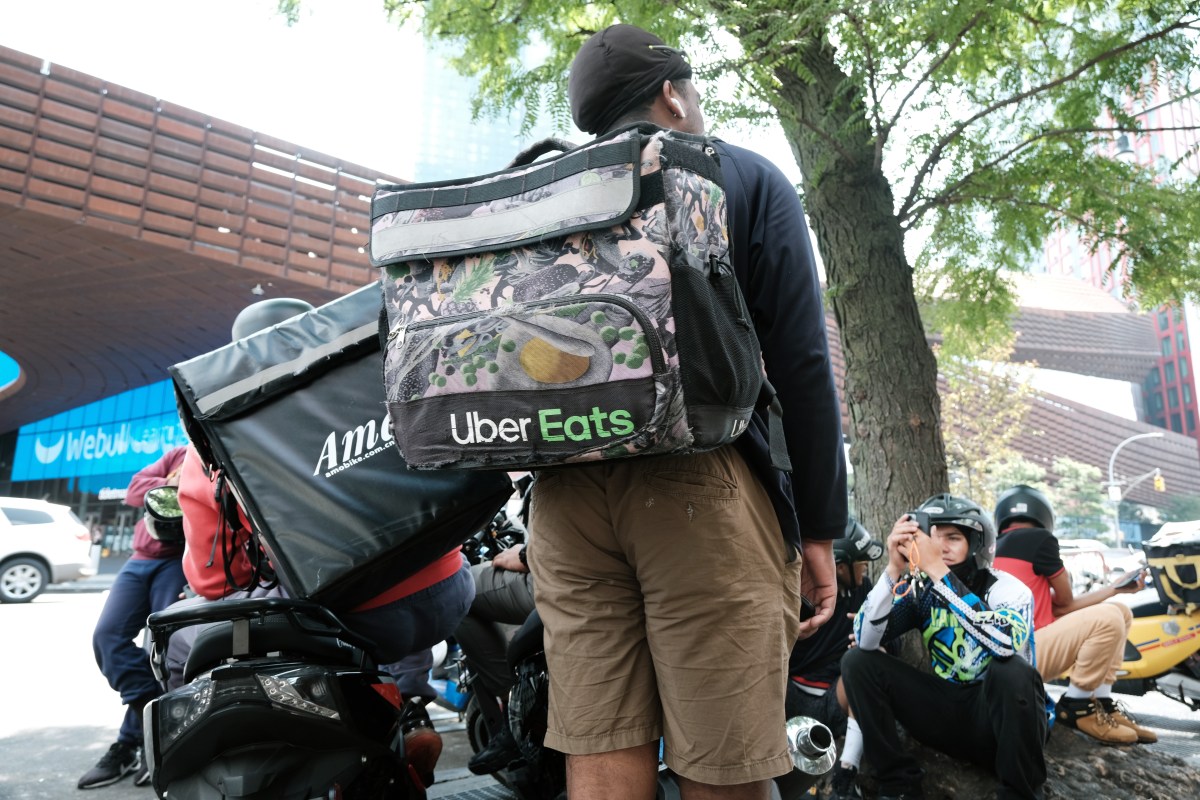
In a heated legal clash, Uber has taken on DoorDash, accusing the delivery heavyweight of underhanded tactics to monopolize the food delivery market. The lawsuit, filed in the Superior Court of California, contends that DoorDash bullies restaurant owners, pushing them into exclusive agreements that stifle competition.
Uber argues that DoorDash, which dominates the U.S. food delivery scene, coerces restaurants into exclusivity by threatening them with massive penalties or by downgrading their visibility on the DoorDash platform. This alleged strong-arming primarily affects the restaurant’s own online orders, as DoorDash reportedly demands sole handling of these deliveries.
DoorDash, however, denies these accusations. A spokesperson for the company dismissed Uber’s allegations as baseless and chastised Uber for not providing a superior service to merchants, consumers, or couriers.
This battle showcases the fierce rivalry between Uber Eats and DoorDash, both known for their apps connecting hungry consumers with restaurant dishes like pizza or pad thai, delivered by gig economy workers. However, their competition extends to white-label delivery services – Uber Direct and DoorDash Drive on-Demand. Both services, introduced in 2020, allow customers to order directly through the restaurants’ own platforms, reducing costs for the eateries, while Uber and DoorDash coordinate the deliveries.
Uber’s lawsuit highlights that DoorDash allegedly controls first-party deliveries for more than 90% of major enterprise restaurants in the U.S., claiming these practices are not only anti-competitive but have also significantly hampered Uber’s revenue and the growth of Uber Direct.
Sarfraz Maredia, head of delivery for the Americas at Uber, emphasized the company’s commitment to providing restaurants with autonomy in choosing the best delivery partners. He criticized DoorDash’s alleged tactics that, according to Uber, curtail this freedom and punish restaurants seeking alternatives. Maredia expressed hope that this lawsuit would end such practices, allowing restaurants to make choices without fear of retaliatory action.
Adding weight to their claims, Uber cites incidents where restaurants have backed out of collaborations due to pressure from DoorDash. In one striking example, a prominent restaurant company reportedly halted a planned expansion of Uber Direct services across its brands after DoorDash allegedly threatened to increase fees if they proceeded with Uber.
Uber is seeking a jury trial but hasn’t specified the amount in damages. The company holds that these restrictive practices have already cost them millions in revenue and stymied the growth of Uber Direct, urging the court to curb what they describe as DoorDash’s monopoly-like conduct.


