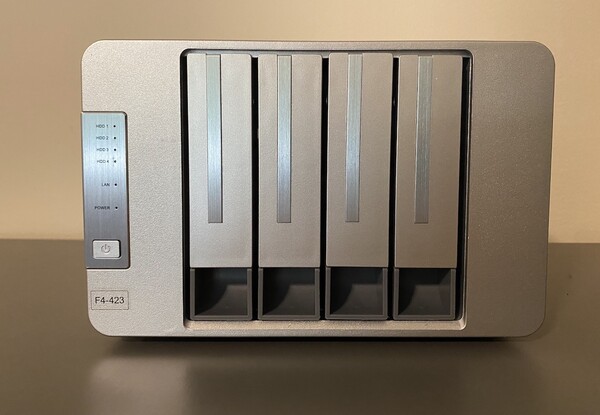
If you’ve recently upgraded your computer with an AM5 or Intel 14th Generation processor and have older hardware lying around, consider repurposing it into a Network Attached Storage (NAS). Without the need for a GPU in most NAS setups, you gain flexibility in choosing a power supply. For a mid-range CPU with several drives, a 350-watt power supply should suffice, but remember that top-tier CPUs like the Intel i9 or Ryzen 9 may need something more robust due to their higher power requirements.
When it comes to a case for your NAS, the goal is to have sufficient space for your drives, making cases with lots of 3.5-inch drive bays ideal. The Fractal Define series is often recommended for its number of bays and compatibility with ATX motherboards. Those with an ITX motherboard might opt for the Fractal Node 304, known for its suitability as a NAS case. Alternatively, you can explore specialized NAS cases available on major online retailers.
For storage, NAS-specific hard drives such as the Seagate Ironwolf or Western Digital Red are tailored for continuous operation and tend to endure longer than standard drives. Capacity decisions are yours to make, but factor in the need for multiple drives to create a redundant system that protects against data loss in case one drive fails. For example, 4 TB Seagate drives strike a balance between storage space and cost, especially when you buy them in multiples.