Taiwan’s cooling property market is putting pressure on rebar demand in 2026, but Tung Ho Steel is finding support from a very different source: the country’s expanding high-tech manufacturing and industrial construction sector.
The electric-arc furnace steelmaker said the slowdown in real estate has weighed on rebar orders since the beginning of the year. According to general manager Bing-Hua Huang, housing-related policy headwinds have reduced buying momentum, leading to weaker shipment volumes and softer new order intake.
From January to August 2026, Tung Ho Steel’s rebar order intake declined 23% compared with the same period a year earlier. Orders on hand also edged down from 1.2 million tonnes to 1.15 million tonnes. Despite the decline, the company still maintains around 10 months of rebar order visibility, giving it a relatively stable operating outlook in a softer construction market.
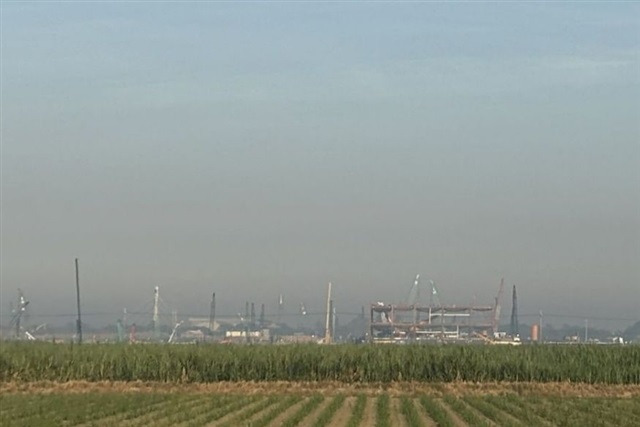
While rebar demand has been affected by the real-estate slump, the company’s section steel and steel structure businesses are benefiting from continued investment in high-tech facilities and new plant construction across Taiwan. The buildout of advanced manufacturing sites, factories, and related infrastructure has helped offset some of the weakness from residential construction.
The contrast highlights a widening split in Taiwan’s steel demand. Traditional property-driven construction is slowing, particularly in areas tied to housing development, while industrial and technology-related projects remain active. For steelmakers such as Tung Ho Steel, this shift is changing the demand mix and placing greater importance on products used in large-scale factories, structural projects, and industrial facilities.
Tung Ho Steel’s performance in 2026 may therefore depend on how long the real-estate slowdown continues and whether high-tech investment can remain strong enough to balance weaker rebar demand. With Taiwan continuing to attract advanced manufacturing investment, the company’s section steel and steel structure operations could remain a key growth driver even as the housing market stays under pressure.