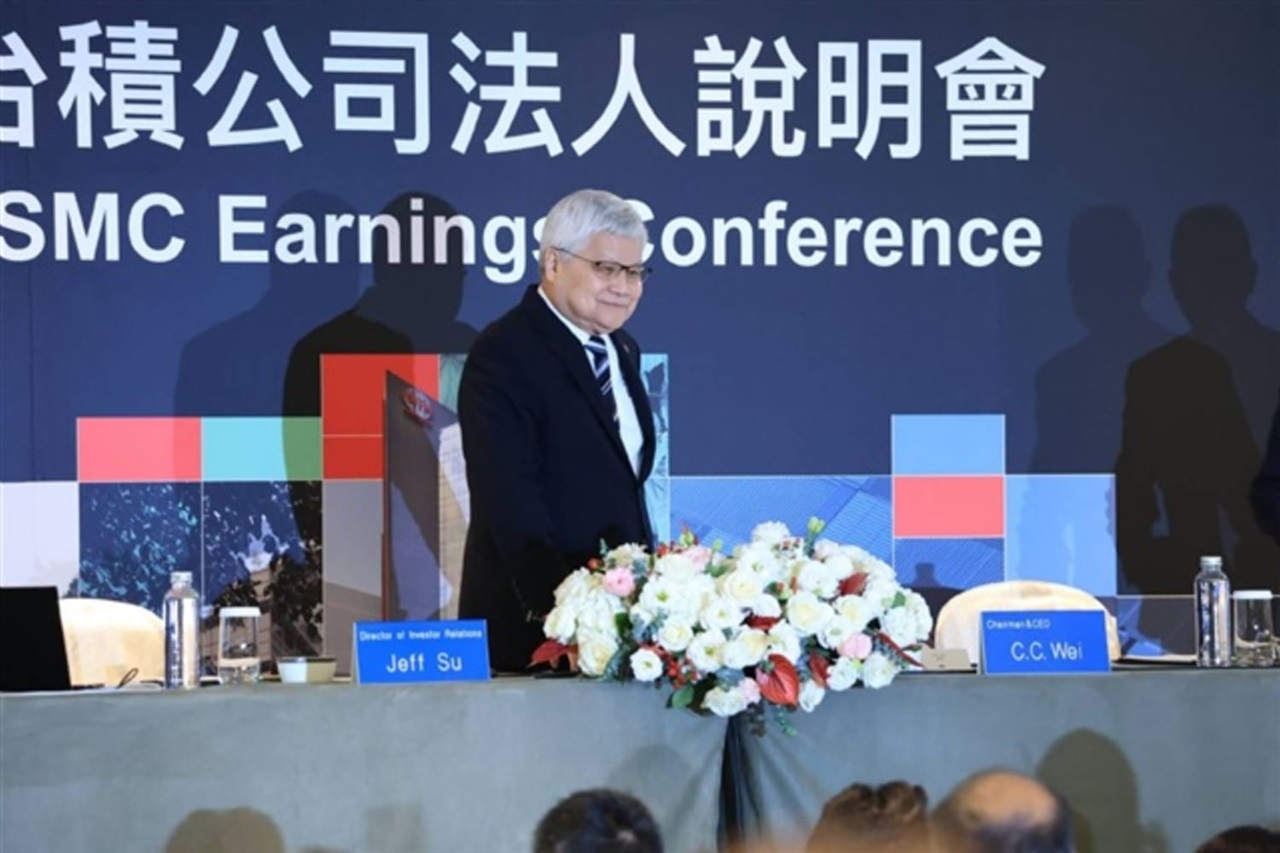
TSMC used its fourth-quarter 2025 earnings call to deliver one of its most confident forecasts in years, making the case that the surge in artificial intelligence demand is not a temporary spike, but a lasting shift that’s changing how the entire semiconductor industry grows.
Rather than treating AI as a hype-driven bubble, TSMC framed it as a structural upgrade to global computing needs. The company’s message was clear: AI workloads are expanding quickly, they require far more advanced chips than previous computing eras, and that demand is strong enough to justify record levels of investment in manufacturing capacity.
A major takeaway from the update is TSMC’s belief that AI is now a core driver of chip demand, not just an added bonus. Training and running large AI models requires immense processing power and cutting-edge fabrication processes, and that pulls more customers toward leading-edge nodes—the area where TSMC has built much of its competitive advantage. In other words, when AI demand rises, it doesn’t just increase chip shipments; it increases the need for the most advanced chips, which typically carry higher value and require more sophisticated production.
That’s also why the company’s capital expenditure plans matter so much. Record capex signals long-term confidence. Building and expanding semiconductor fabs is one of the most expensive and time-consuming investments in tech. Companies don’t commit to aggressive spending unless they expect demand to remain strong for years, not quarters. TSMC’s bullish stance suggests it sees AI growth as durable enough to support sustained expansion, even as the industry continues to navigate normal cycles in other segments.
For investors, engineers, and anyone watching the tech supply chain, this outlook reinforces an important theme for 2026 and beyond: the AI chip boom isn’t just about higher sales—it’s about a reshaped roadmap for manufacturing capacity, process technology, and long-term semiconductor strategy. With AI accelerating the need for advanced fabrication at large scale, TSMC is positioning itself as a central player in the next phase of computing growth.