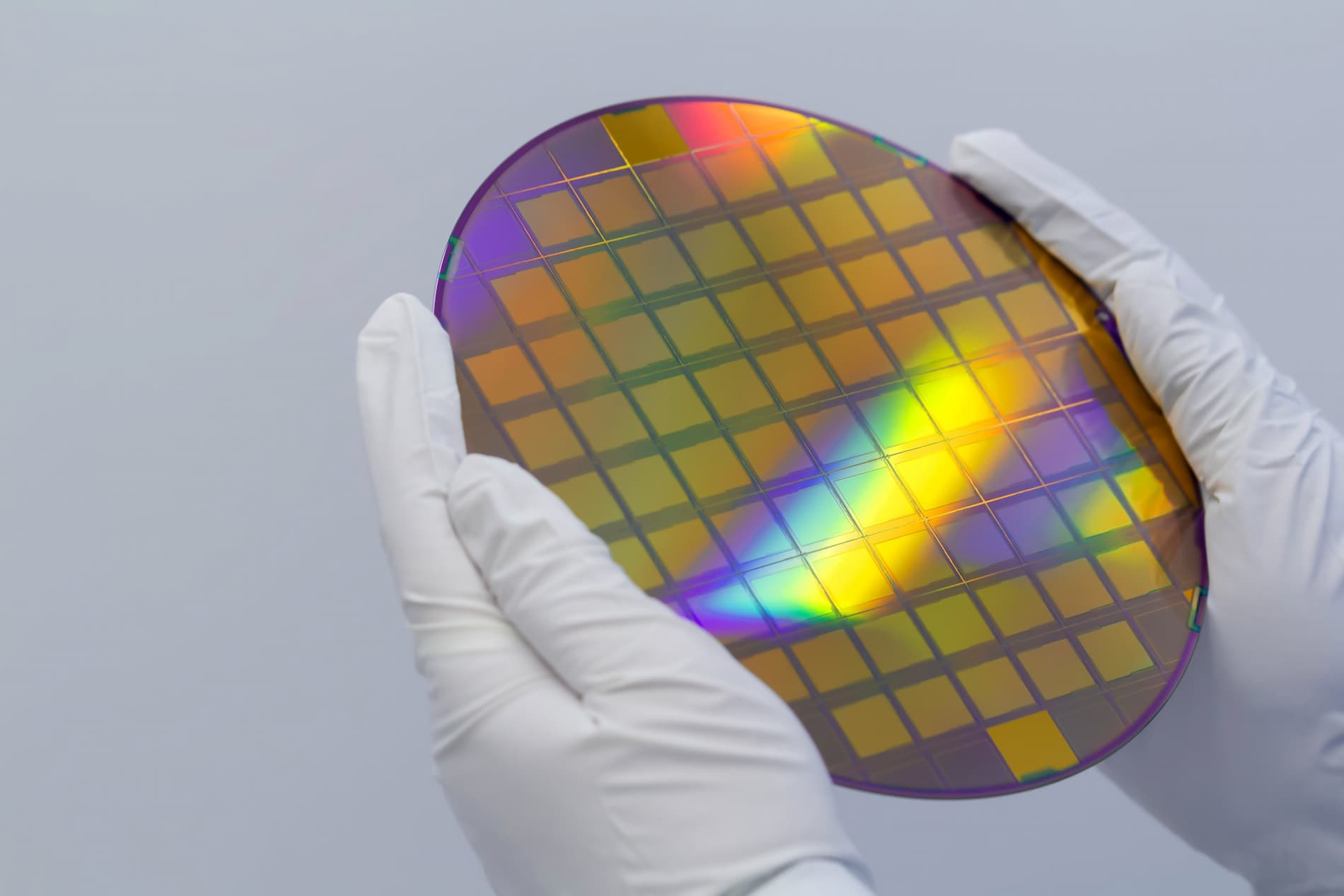
TSMC’s 2nm era is shaping up to be a defining moment for the chip industry, and it’s not just about smartphones and high-performance computing. For PC and server buyers, the next wave of processors from both Intel and AMD increasingly points to one common foundation: TSMC’s N2 process.
Reports indicate N2 will attract substantially more demand than 3nm, pushing TSMC to expand capacity to meet orders across mobile, HPC, and now top-tier CPUs. According to a recent analyst note, both AMD and Intel are expected to enter the N2 customer roster in the first half of 2026, signaling a broader industry pivot toward the node that promises higher performance and improved efficiency.
On the AMD side, the move is already public. AMD has confirmed that its next-generation EPYC data center CPUs, code-named Venice, have taped out on TSMC’s advanced 2nm process. That positions AMD to be among the earliest adopters of N2 in the server space, where performance-per-watt and total cost of ownership are critical.
Intel’s strategy adds an intriguing twist. The same note suggests that Intel’s Nova Lake could leverage TSMC’s N2 for its compute tile. This aligns with Intel’s broader, stated willingness to use external foundries when it benefits product schedules, quality, or customer commitments. The report also points to yield challenges on Intel’s 18A node as a potential factor nudging certain high-impact parts to TSMC, at least initially. If Nova Lake’s compute tile lands at TSMC, it would underscore Intel’s pragmatic approach to ensuring competitiveness while its own foundry ramps.
The near-term litmus test is Panther Lake. Its rollout will offer the clearest view yet of 18A’s maturity and yield progress. Current guidance points to an unveiling this quarter with mass production slated for the first quarter of next year. Strong execution there could rebalance how Intel splits future products between internal and external fabs.
What this means for buyers and the broader market is straightforward: TSMC’s N2 looks set to anchor a new generation of CPUs promising higher performance, better efficiency, and tighter competition at the top end. With AMD’s EPYC Venice already committed and Intel’s Nova Lake reportedly planning to tap N2 for key tiles, the center of gravity for cutting-edge compute is consolidating around 2nm. Expect intense focus on TSMC’s capacity ramp, Intel’s 18A progress, and the launch cadence for Panther Lake as leading indicators of how the next CPU cycle will unfold.