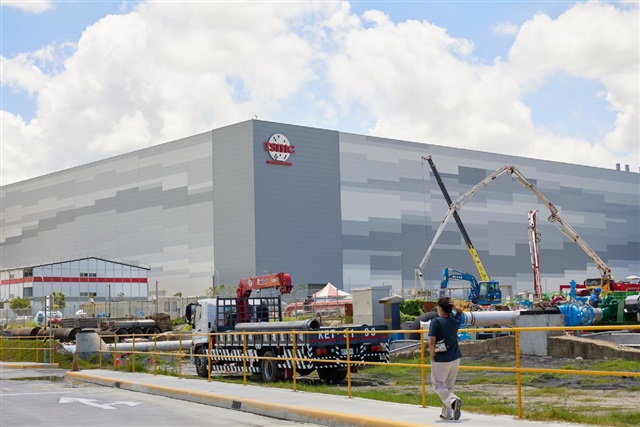
TSMC is preparing to raise foundry prices for its most advanced semiconductor processes by roughly 5% to 10% in 2026, according to sources within the IC design community. The move would affect cutting-edge nodes used for high-performance computing, AI accelerators, and premium mobile chipsets, and could reshape cost structures across the semiconductor supply chain.
Why this matters
– Advanced-node wafer pricing directly impacts margins for fabless chip designers and their customers, from cloud providers to smartphone brands.
– Higher manufacturing costs at leading-edge nodes such as the 3nm and upcoming 2nm families can ripple into end-product pricing or influence how companies time their product launches.
– Contract negotiations for 2026 capacity typically begin well ahead of time, meaning pricing discussions may intensify through 2025.
What could be driving the increase
– Elevated capital expenditures for new fabs and equipment, including EUV lithography tools, as foundries scale capacity for AI and HPC demand.
– Tight availability of advanced packaging, such as 2.5D/3D solutions, which has become a critical bottleneck for AI chips and can affect overall platform costs.
– Continued demand for leading-edge nodes, where capacity remains a premium resource.
Who is likely to feel it most
– Designers of AI accelerators, data center CPUs/GPUs, and networking silicon that rely on advanced nodes for performance and efficiency.
– Mobile SoC and modem vendors targeting flagship devices, where power and area advantages from advanced processes are essential.
– Automotive and edge-compute players moving up the node ladder for more integration and lower power.
Potential implications for the industry
– Product pricing and bill-of-materials pressure could rise for devices launching in late 2026 and 2027.
– Some companies may recalibrate roadmaps, opting to stay longer on mature nodes for certain components while reserving advanced nodes for performance-critical dies.
– Multisourcing strategies and negotiations with alternative foundry partners may gain traction if pricing or capacity tightens further.
– Greater emphasis on design efficiency, yield optimization, and chiplet architectures to offset higher per-wafer and per-die costs.
How chipmakers might respond
– Lock in capacity early through long-term agreements to secure pricing and supply.
– Explore advanced packaging co-optimization and yield improvements to reduce effective cost per functional die.
– Balance portfolios across nodes, combining leading-edge compute tiles with mature-node IO or analog chiplets.
– Reassess launch windows and product segmentation to preserve margins on premium SKUs.
What to watch next
– Any indications of node-specific pricing tiers, especially across 3nm variants and the transition toward 2nm-class technologies.
– Signals from major chip designers regarding 2026 capacity bookings and potential changes to their manufacturing mix.
– Availability trends in advanced packaging, which can amplify or mitigate the impact of wafer price shifts.
If implemented as indicated, a 5% to 10% increase at advanced nodes would be one of the key cost drivers shaping semiconductor strategy in 2026, influencing everything from AI server buildouts to next-generation flagship smartphones.