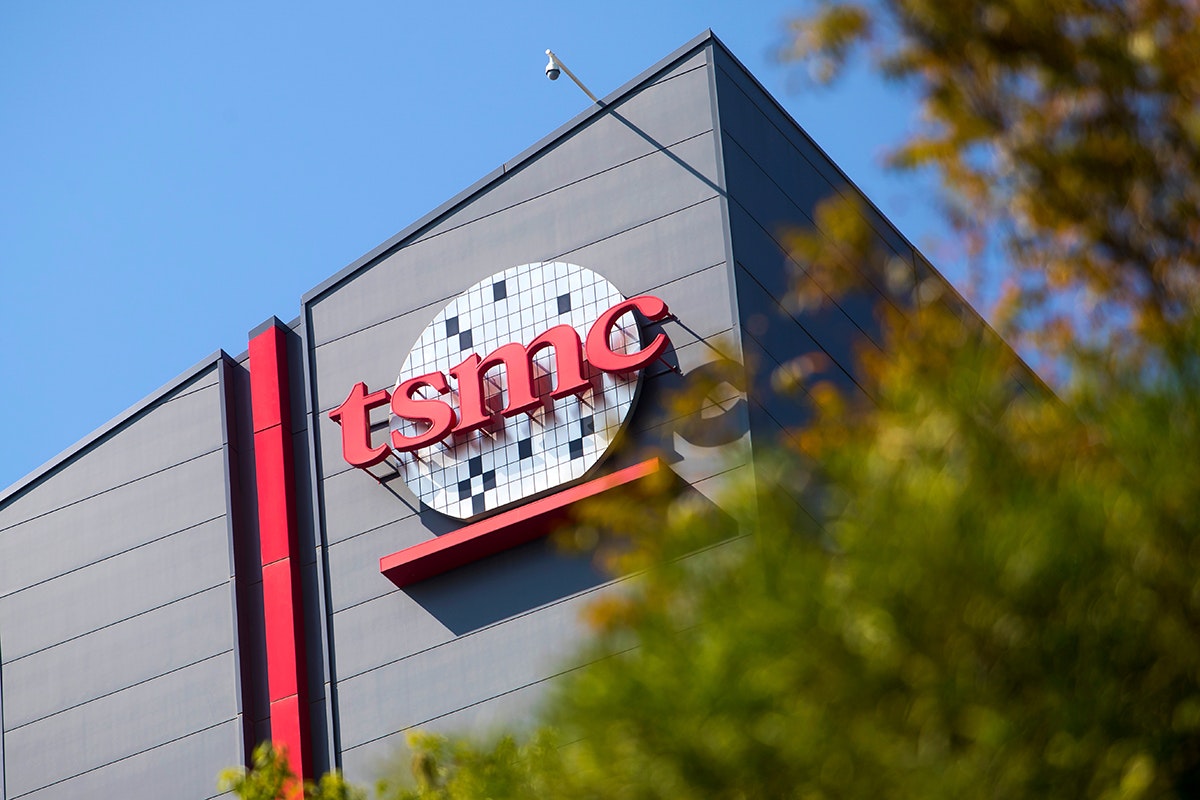
In the realm of semiconductor innovation, TSMC has made a groundbreaking announcement showcasing its ambitious expansion plans in the United States. The Taiwanese semiconductor giant has secured an additional $11 billion in funding through the United States CHIPS Act, clearing the path for advanced tech development on American soil.
TSMC’s Vision: Transforming the US into a Semiconductor Powerhouse
The pivotal investment from the CHIPS Act enables TSMC to make a historic commitment of $65 billion in Arizona, representing the largest foreign investment the state has ever witnessed. This move is a strategic play by TSMC to mirror its Taiwanese success in the US and spearhead semiconductor dominance within the next decade.
Chairman Dr. Mark Liu accentuated the importance of these US operations, emphasizing enhanced support for US-based clientele, which constitutes some of the world’s top tech firms. Liu also stressed on the expansion of their capacity to pioneer next-gen semiconductor technologies.
Emerging Tech: TSMC’s Process Roadmap in Arizona
With a grand blueprint in place, TSMC’s first Arizona facility is set to begin production using 4nm technology in the first half of 2025. Progressing further, the company plans to introduce its cutting-edge 2nm process by 2028 at a second facility, alongside mass production of 3nm technology. By the decade’s end, a third facility is projected to launch, advancing the chip-making process to 2nm or superior technologies.
Each of these three Arizona fabs is poised to feature cleanrooms nearly double the size of conventional logic fabs, a testament to TSMC’s commitment to industry-leading standards and innovation.
Implications: Advancing Tech Leadership Beyond Taiwan
This strategic shift in production towards the US reflects a pivotal transition as Taiwan moves clear of prior technology transfer challenges. The new US-based facilities will be instrumental for tech juggernauts like AMD and NVIDIA, ensuring a stable supply chain insulated from geopolitical upheaval, thereby enhancing the fabs’ allure to prospective customers.
Although TSMC’s timeline showcases an intent for a complete shift in production within a decade, it remains vigilant of potential delays from political or economic turbulence. The company also recognizes the need to address the hesitancy of Taiwanese engineers in adapting to US fabs to guarantee unimpeded progress.
In Conclusion
TSMC’s financial infusion through the CHIPS Act marks a significant leap towards semiconductor sovereignty and technological advancement in the United States. By focusing on leading-edge production techniques and innovations, TSMC is not only securing its foothold in the American market but is also shaping the future landscape of global semiconductor manufacturing. As the company moves forward with its expansion in Arizona, it stands as a herald of the nation’s burgeoning tech dominance.


