Taiwan Semiconductor Manufacturing Company (TSMC) is set to increase the costs of its premier semiconductor technologies, including the 3nm and 5nm process nodes. With the company playing a pivotal role in the semiconductor industry, their decision is poised to have a notable impact on the market.
TSMC’s High-Demand Products to Experience Price Hike
TSMC is experiencing a surge in demand, particularly for its cutting-edge 5nm and 3nm nodes. These advanced manufacturing processes are crucial for the latest consumer technology products, including those developed by tech giants such as Apple and Qualcomm. To address the rising demand and keep its gross margins stable, TSMC is reportedly increasing the prices of its 5nm and 3nm processes by up to 8%.
This price rise is coming at a time when TSMC’s production lines are at full capacity, running at 100% utilization rates. This impressive demand for their services means that TSMC is strategically positioned to introduce these price adjustments, leveraging its market dominance and the inelastic demand for its semiconductor processes.
Expansion in CoWoS Packaging Services Accompanied by Price Adjustments
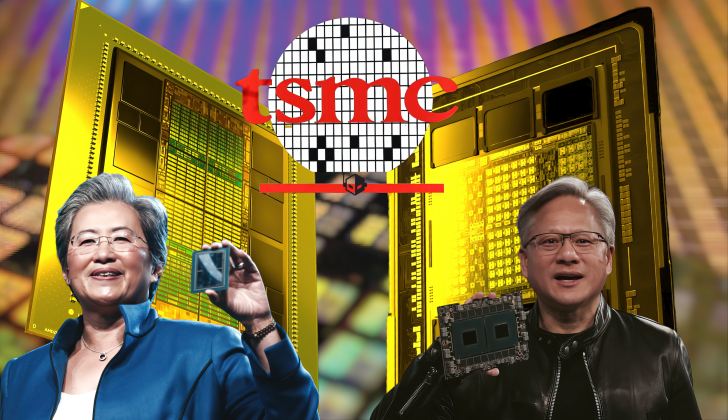
Additionally, it’s not just the semiconductor processes that are seeing a change in pricing. TSMC’s CoWoS, or Chip-on-Wafer-on-Substrate, packaging services also will be subjected to a price increase. This packaging technology is especially demanded by companies like AMD and NVIDIA, which require advanced packaging solutions for their AI accelerators. The exact percentage of the CoWoS price increase hasn’t been specified, yet it is anticipated due to the expansion of TSMC’s production capacity for this service.
Market Implications of TSMC’s Pricing Strategy
The semiconductor giant’s price adjustments reflect its unchallenged market position, with competitors like Samsung Foundry trailing behind in terms of order volume and yield rates. Many of TSMC’s clients find themselves in a challenging situation, having limited options other than to accept the price increases, effectively leaving TSMC as the primary powerhouse in the semiconductor foundry sector.
Conclusion
The price hike by TSMC across some of its most in-demand services reflects the company’s strategic market positioning in the face of rising demand, particularly in the era of AI proliferation. Companies reliant on TSMC’s advanced technologies may need to brace for the impact of these increases on their production costs and potentially on the retail prices of consumer electronics. As the semiconductor landscape continues to evolve, the industry will closely watch how these adjustments by TSMC will influence the market dynamics and customer choices.