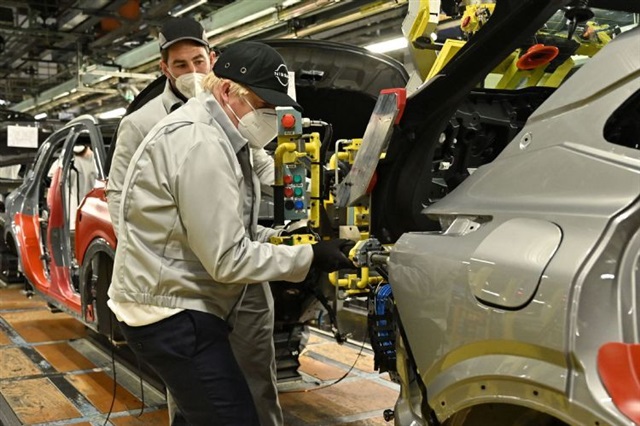
The Biden administration is gearing up to implement a significant 25% tariff on imports from Canada and Mexico, with the automotive industry poised to feel the greatest impact. This move could cause ripples across North America’s interconnected supply chain, especially in the auto sector, which relies heavily on cross-border trade for parts and materials.
Automakers might face increased costs, potentially leading to higher prices for consumers. In an already competitive market, these added expenses could influence everything from manufacturing decisions to the final price tag on vehicles.
This tariff move aims to address trade imbalances, but it raises concerns about potential disruptions in the industry and its broader economic implications. As North America’s auto industry braces itself, stakeholders will be closely monitoring the situation to adapt strategies accordingly.
With this policy, the dynamics of trade within the region might witness significant shifts, making it a critical moment for automakers, parts suppliers, and consumers alike. The developments from this decision will be a focal point of discussion as the consequences unfold in the months to follow.