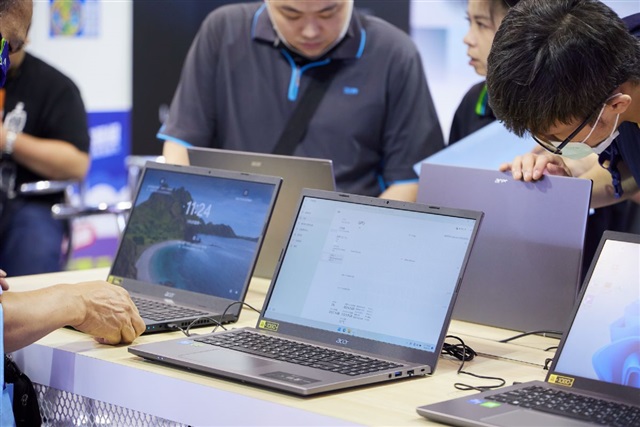
The notebook supply chain is currently buzzing with activity as companies work diligently to adapt to the shifting landscape caused by the unpredictability of former President Trump’s tariff policies. These meetings with brand manufacturers have taken on increased importance, underscoring the strategic maneuvering necessary to weather potential changes in trade regulations.
One of the key takeaways from these discussions is the anticipated migration of assembly lines. It’s evident that maintaining operations in China is no longer viewed as a viable long-term option due to the tariffs. However, interestingly, the idea of relocating these assembly lines back to the United States is not on the table either. This leaves industry insiders speculating on where the new hub for production will be established, as companies strive to maintain efficiency while minimizing additional costs.
The ongoing developments in trade and tariff policies have created a dynamic environment where businesses must constantly evaluate their supply chain strategies. Although the precise direction of these policies remains uncertain, what is certain is that companies are actively engaging in solutions to mitigate the impact on their operations. As the global supply chain landscape continues to shift, the stakes of these discussions are undeniably high, with far-reaching implications for the industry’s future.