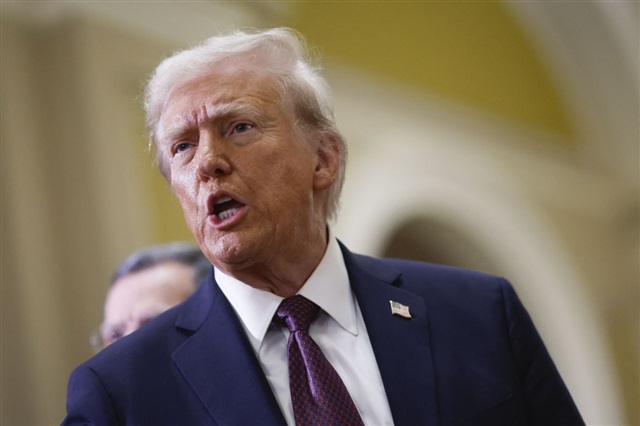
The Trump administration is embracing a bold strategy, leveraging uncertainty and escalating tariff threats to pressure countries into aligning with U.S. demands. Beginning August 1, the U.S. plans to ramp up tariffs on EU goods to 30%, an increase from the initial 20%. This move has ignited strong reactions and promises of retaliatory measures from affected nations.
This approach is set to shake up international trade dynamics. The economic landscape is already tense, and this latest development adds another layer of complexity. Countries are strategizing to respond, navigating the challenges posed by these heightened tariffs.
The goal of this aggressive strategy is clear: to encourage concession and negotiation. However, the implications could be significant, impacting global markets and trade relationships. As tensions rise, all eyes are on how these geopolitical maneuvers will unfold and what the long-term effects might be on international economic stability.
In this ever-evolving scenario, businesses and governments worldwide must remain vigilant and adaptable, ready to respond to these rapid changes in trade policy.