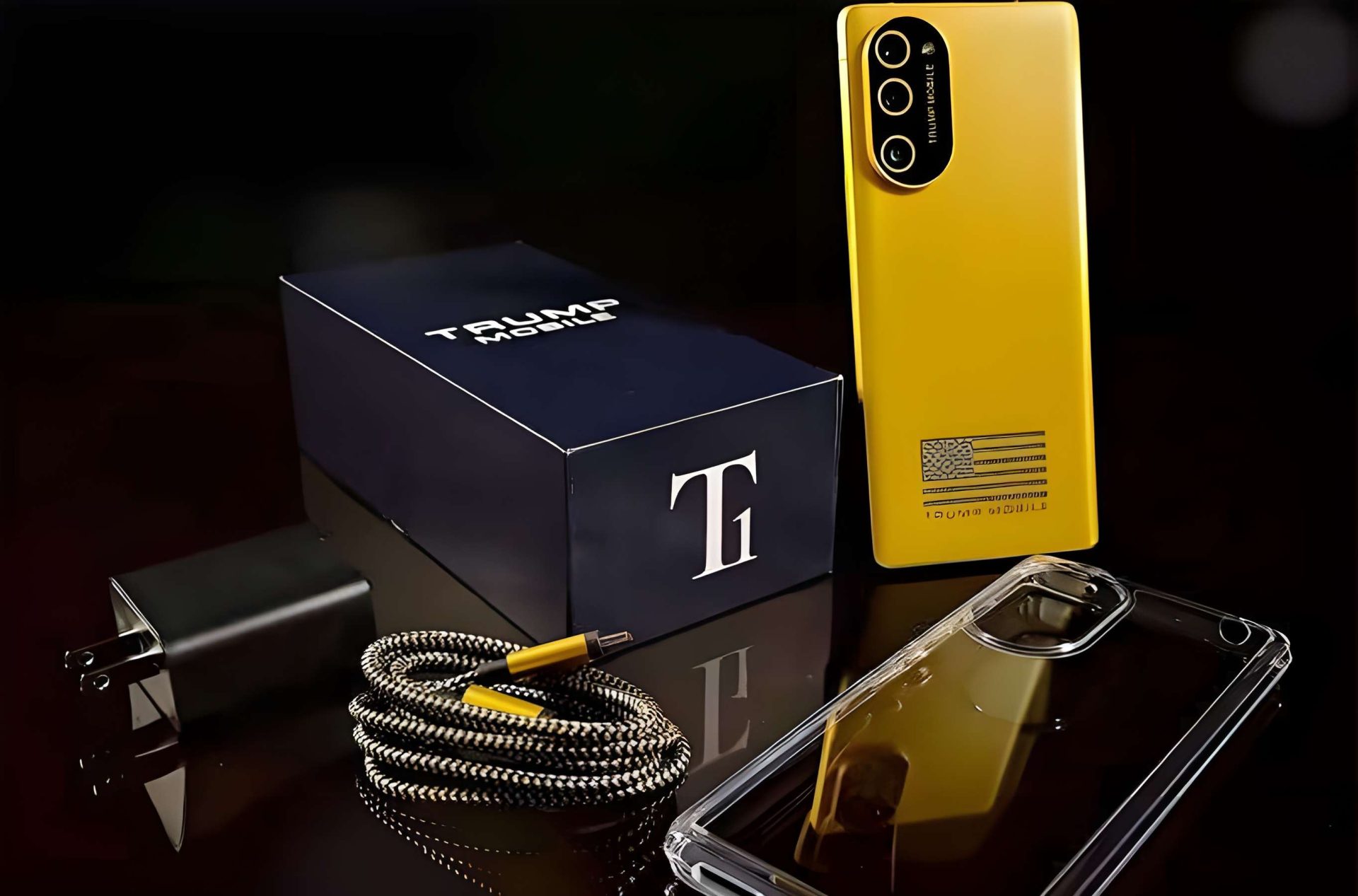
Trump Mobile T1 Phone Data Leak Raises Serious Questions About Customer Privacy and Communication
Trump Mobile is facing intense scrutiny after a reported data leak tied to its T1 Phone reservations exposed personal information belonging to early customers. The situation has quickly turned into a public relations problem, not only because of the data exposure itself, but also because of how the company has responded.
The T1 Phone, a newly introduced device that attracted attention through its branding and $499 promotional price, was available for reservation with a $100 deposit. However, reports indicate that personal details connected to some early customers became accessible online. The exposed information allegedly included names, email addresses, mailing addresses, phone numbers, and T1 Phone order identifiers.
For any mobile company, especially one trying to build trust around a new device and wireless service, this kind of incident is serious. Customers who placed deposits expected a straightforward preorder process, not the possibility that their private information could circulate on the internet.
Trump Mobile has now acknowledged that an issue occurred, but the company says the exposure was linked to a third-party platform provider involved in some of its operations. According to the company’s explanation, its own network, systems, and infrastructure were not breached.
That distinction may matter from a technical and legal standpoint, but it does little to ease customer concerns. Whether the exposure originated from Trump Mobile’s internal systems or from an outside provider supporting its operations, affected customers still entrusted their personal information to the company during the T1 Phone reservation process.
The more troubling part of the response is that Trump Mobile is reportedly still evaluating whether customers need to be formally notified about the exposure. That has sparked criticism because, for many consumers, the answer seems obvious. If customer names, contact details, addresses, and order information were exposed, those customers should be told directly and quickly.
In the modern smartphone market, privacy and data security are no longer optional talking points. They are core expectations. Consumers routinely share sensitive information when signing up for mobile services, ordering devices, financing phones, or reserving products. If that information is compromised, transparency becomes essential.
A fast and clear notification allows customers to take action. They can watch for phishing attempts, monitor suspicious messages, be cautious with unknown calls, and stay alert for scams that use order details to appear legitimate. Delayed communication, on the other hand, can leave customers vulnerable and frustrated.
The incident also puts more pressure on Trump Mobile’s broader launch strategy. The T1 Phone has already drawn attention because of its branding and positioning, but the device itself appears to be heavily based on an existing smartphone design. It reportedly features a 6.78-inch display, a 50MP main rear camera, a 50MP selfie camera, a 5,000mAh battery, 512GB of storage, a 3.5mm headphone jack, and the Truth Social app pre-installed.
At $499, the T1 Phone may appeal to buyers who want a large-screen device with generous storage and a traditional headphone jack. But hardware specifications alone are not enough to win over customers in a competitive market. Trust, service quality, software support, privacy protection, and customer communication are just as important.
That is especially true for a new mobile brand. Established smartphone makers and wireless providers have years of infrastructure, customer support systems, security processes, and crisis response experience. A new entrant must prove it can meet those same standards from day one.
The Trump Mobile data leak controversy shows how quickly confidence can be shaken. Even if a third-party provider was responsible for the exposure, customers are likely to judge the company based on how it handles the aftermath. A clear apology, a direct notification to affected users, a detailed explanation of what happened, and steps taken to prevent a repeat incident would go a long way toward restoring trust.
Instead, uncertainty around customer notification risks making the situation worse. In privacy incidents, silence often feels like avoidance. Customers do not want vague reassurances; they want to know whether their data was involved, what type of information was exposed, how long it was accessible, and what they should do next.
The T1 Phone launch was supposed to mark Trump Mobile’s entrance into the smartphone market. Instead, the conversation has shifted toward data privacy, third-party accountability, and whether the company is prepared to manage the responsibilities that come with handling customer information.
For customers who reserved the T1 Phone, the priority now is simple: they need clear communication. For Trump Mobile, the path forward is also clear. The company must be transparent, notify affected users if personal data was exposed, strengthen oversight of third-party platforms, and show that customer privacy is being treated as a serious obligation rather than a public relations inconvenience.
The T1 Phone may still find buyers because of its price, features, and brand appeal. But in today’s mobile industry, a phone is more than a piece of hardware. It is part of a larger trust relationship between the company and the customer. Right now, that trust is being tested.