Trump Mobile Reportedly Hit by Data Breach Exposing Customer Information
Trump Mobile is facing fresh scrutiny after a hacker group known as BYOD claimed it breached the mobile service provider and exposed customer data online. The incident is drawing attention not only because of the alleged leak, but also because of what the hackers say happened after the company was notified.
According to BYOD, Trump Mobile was informed about the breach and allegedly responded by saying it had “no team to handle this.” The group also claimed the company described anyone who hacks them as a terrorist. If accurate, that response raises serious questions about Trump Mobile’s readiness to manage cybersecurity incidents and protect customer information.
The most striking detail from the alleged breach is the size of Trump Mobile’s customer base. BYOD claims the leaked data covers 3,615 customers. For a brand that launched with significant public attention, that number has quickly become one of the biggest talking points surrounding the incident.
The exposed information reportedly includes personally identifiable customer details such as names, email addresses, phone numbers, home addresses, and order information tied to Trump Mobile services. The data is said to be circulating on the dark web, which could create risks for affected customers, including phishing attempts, identity theft, spam, and targeted scams.
Trump Mobile operates as a Mobile Virtual Network Operator, or MVNO. That means it does not own its own wireless network infrastructure. Instead, it relies on existing carrier networks to provide mobile service under its own brand. This business model is common in the telecom industry, but it also makes data security, vendor management, and customer support especially important.
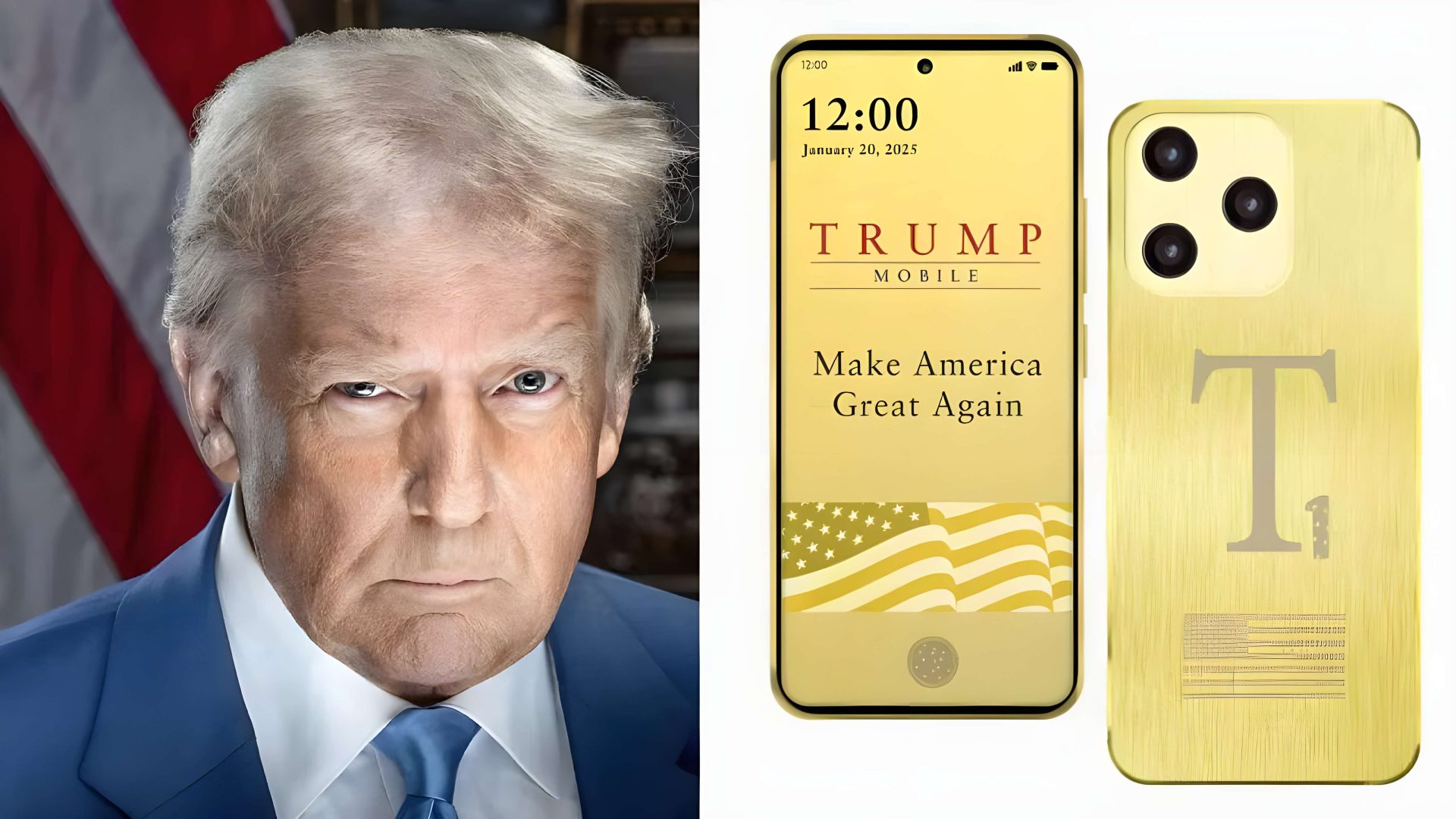
The company’s main hardware product is the T1 Phone, an Android smartphone that has already generated controversy. The device has been promoted with features such as a large display, a 50MP rear camera, a 50MP front camera, a 5,000mAh battery with 30W charging support, 512GB of storage, and a 3.5mm headphone jack.
Those specifications give the T1 Phone a somewhat old-school appeal. It includes features many modern smartphones have dropped, such as a headphone jack, expandable storage support through a hybrid SIM tray, and a charger in the box. However, critics have argued that the device feels more like a rebranded older-style Android phone than a truly original flagship product.
The T1 Phone has also faced questions over its origins. Earlier teardown analysis suggested the device closely resembled the HTC U24 Pro, including similarities in internal components such as the mainboard and display connectors. That fueled further debate over Trump Mobile’s earlier marketing language and whether the phone was actually manufactured in the United States.
Trump Mobile previously promoted the T1 Phone with messaging that implied it was made in America. Later, the company shifted its wording to “assembled in America,” a less definitive claim that has left many observers questioning how much of the device is actually produced domestically.
This latest alleged breach is not the first time Trump Mobile has been associated with data security concerns. Earlier reports indicated that some early customers, including people who paid a $100 deposit to reserve the T1 Phone, may have had personal information exposed through a separate leak. Trump Mobile later acknowledged an issue involving a third-party platform provider connected to certain operations, though the company’s response left uncertainty over whether affected customers would be formally notified.
For customers, the most important issue is not the political branding or the phone’s design. It is whether their private information is safe. A mobile service provider handles sensitive data by default, including names, billing details, addresses, phone numbers, and service records. Even a small customer base requires strong security procedures and a clear incident response plan.
If BYOD’s claims are accurate, the breach could become a damaging moment for Trump Mobile’s credibility. A company entering the wireless market must convince customers that it can provide reliable service, responsive support, and proper data protection. Allegations that it lacked a team to respond to a breach could make that challenge much harder.
So far, there is no clear indication that data belonging to members of the Trump family was included in the leaked material. It is also unclear whether any of them were subscribed to Trump Mobile services.
The situation remains developing, and customers who believe they may be affected should stay alert. Anyone who signed up for Trump Mobile, placed an order, or paid a deposit should watch for suspicious emails, text messages, and phone calls. It is also wise to change account passwords, avoid clicking unexpected messages, and monitor financial and identity-related accounts for unusual activity.
The reported Trump Mobile data breach highlights a larger issue in the wireless industry: even smaller mobile brands must be prepared for major cybersecurity threats. Customers expect their personal information to be protected, regardless of how new or niche a provider may be. If a company cannot handle that responsibility, even a limited breach can quickly become a major reputational crisis.


