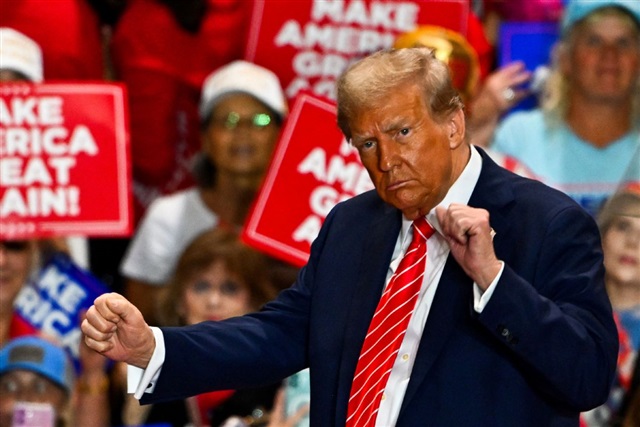
As the US presidential election looms closer, a spotlight has been cast on the semiconductor industry in Taiwan, thanks in no small part to the stances of key political figures like Donald Trump and Kamala Harris. This topic has piqued significant interest, especially after Donald Trump’s provocative interview earlier this summer in July 2024.
Trump’s remarks have stirred up discussions about America’s future involvement and policies concerning the global semiconductor supply chain, a critical component of both technological innovation and economic development. The conversations have tapped into broader concerns about supply chain vulnerabilities that were brought to the forefront during recent years.
Kamala Harris, on the other hand, offers a contrasting viewpoint, emphasizing collaboration and resilience in the semiconductor industry. Both political figures are advocating for positions that could shape future strategic and economic partnerships, not just with Taiwan but with other leading tech countries as well.
As voters consider the broader implications of US policy on the semiconductor industry, these discussions are set to play a significant role in defining the technological landscape of the future. As such, they have become an integral part of the conversation leading up to the elections, captivating the interest of both industry experts and the general public who are keen on understanding what each candidate’s position means for technology and global commerce.