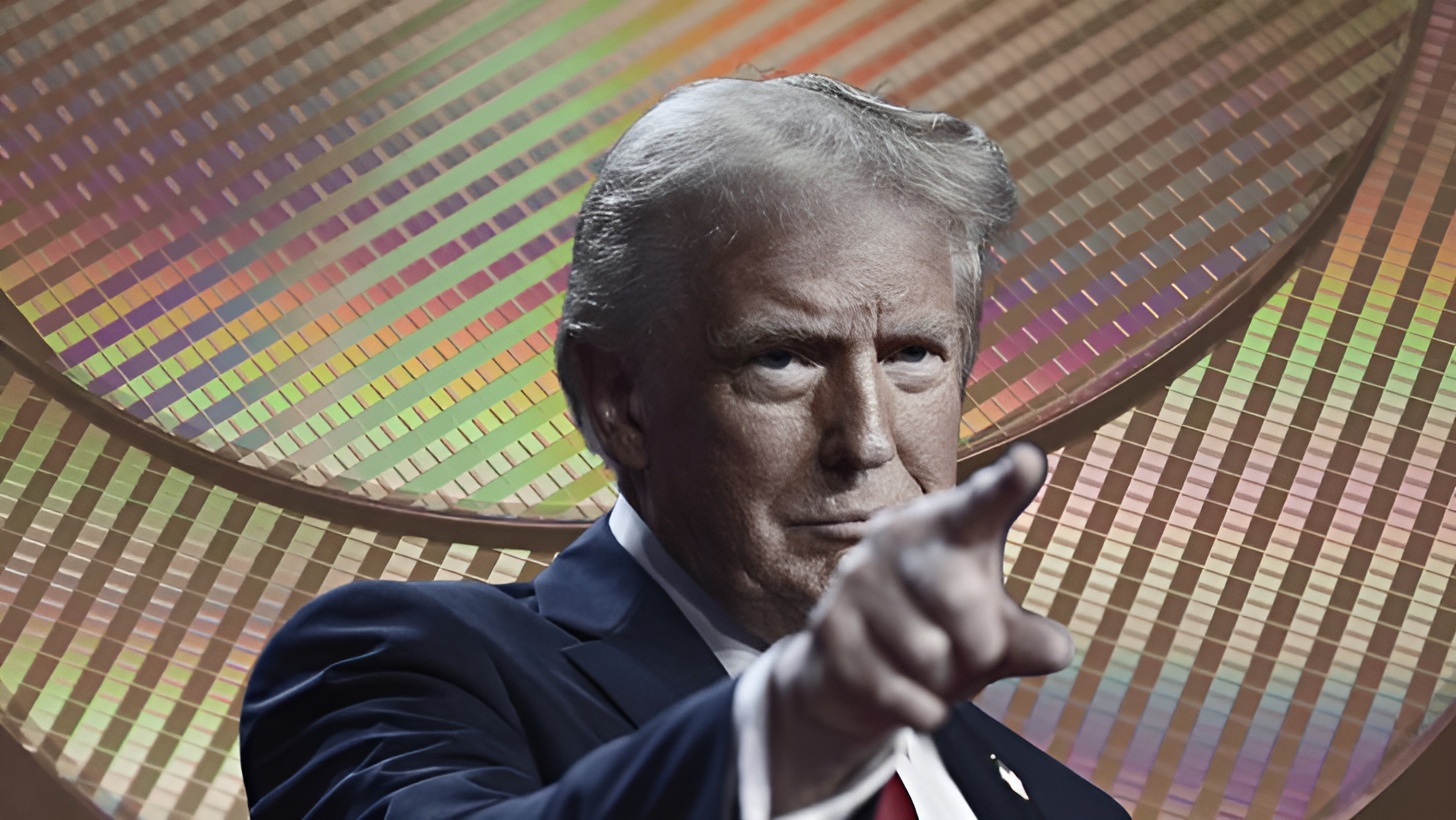
The Trump administration appears poised to reshape Biden’s AI diffusion rule, potentially skewing the playing field in favor of the United States. Instead of moving forward with the existing rule, changes are anticipated that could give the US a strategic advantage in global technology negotiations.
Trump, alongside Commerce Secretary Howard Lutnick, views AI dominance as a critical component of national security. They aim to leverage the technology to fortify trade negotiations. Reports suggest a shift from the Biden-era framework, marking a significant change in how AI chips are traded internationally.
Originally, the AI diffusion rule categorized countries based on security alignment for the export of NVIDIA’s advanced AI GPUs. Nations aligned with US security interests could access these chips freely, while adversarial countries like Russia and Iran were completely restricted. A middle tier included countries like India, facing stringent scrutiny for large GPU imports.
The upcoming revision proposes a licensing scheme, replacing the tiered approach, granting the US greater control over which countries receive cutting-edge AI technology. This strategic maneuver allows the administration to use AI chips as a bargaining chip in international trade deals.
Further details hint at the introduction of an exception threshold, reportedly around “500 H100 chips.” Beyond this limit, obtaining a license would become essential. This change could impact companies like NVIDIA, potentially diminishing their market presence in regions disfavored by the US, including China.
Though still unofficial, with the policy deadline looming, an announcement regarding the AI diffusion rule is anticipated soon, signaling potential shifts in global tech dynamics.