MIT engineers have unveiled an innovative approach that could change how chronic liver failure is treated in the future: injectable “mini livers” that grow inside the body and perform key liver functions. If the technique continues to advance, it may offer a far less invasive alternative to traditional liver transplants—especially for patients who can’t get a donor organ in time.
For many people with end-stage liver disease, a transplant is the only definitive cure. The problem is that donor organs are in short supply, and transplant surgery is intense, risky, and physically demanding. Researchers have long explored a simpler option: injecting healthy liver cells to replace damaged ones. But there’s a major hurdle—when liver cells are injected on their own, they tend to scatter, fail to settle into place, and die off because they don’t have a supportive structure to attach to.
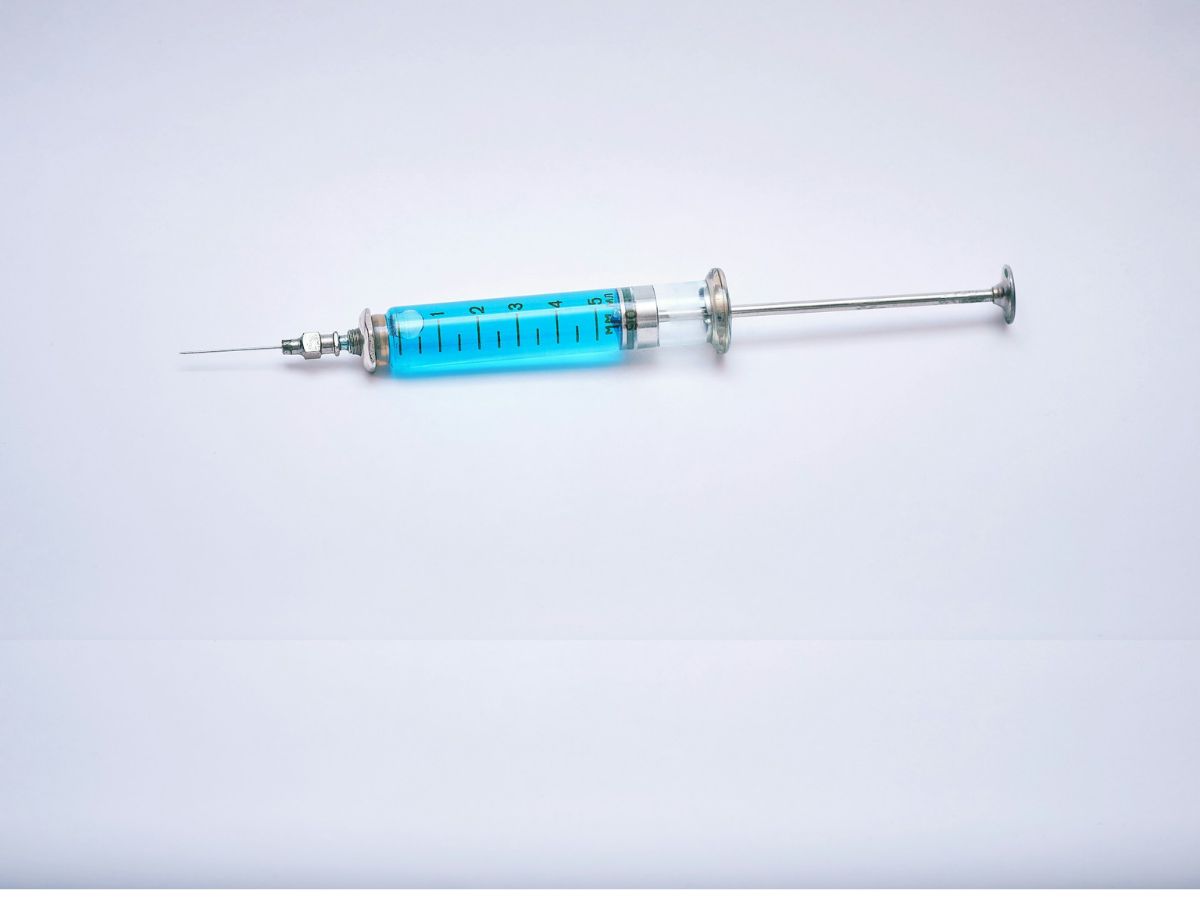
To solve that, the MIT team developed an injectable system that delivers liver cells together with tiny gel particles. These microscopic, water-based gel spheres act like a temporary scaffold. The mixture can smoothly flow through a standard syringe like a liquid, yet once it’s injected, the gel particles quickly pack together into a stable framework that holds the cells in place.
One of the most promising aspects is where these “satellite livers” can be placed. Using standard ultrasound guidance, clinicians could inject the mixture into easy-to-reach tissue such as abdominal fat, avoiding the damaged liver entirely. After injection, the gel-based structure creates a supportive environment that helps the newly placed liver cells survive and organize. Even more importantly, it encourages nearby blood vessels to grow into the cluster, supplying the oxygen and nutrients the cells need to function over time.
In mouse studies, the implanted cell clusters formed working mini livers that remained active throughout the full two-month test period. The satellite livers produced important liver proteins and enzymes—signals that the cells weren’t just surviving, but actually doing the kind of work the body typically relies on the liver to perform.
The technology isn’t ready to fully replace transplants yet. At this stage, recipients still need medication to prevent immune rejection of the implanted cells. Even so, the idea of a repeatable, syringe-based procedure that can be performed without major surgery could become a critical bridge for patients waiting for donor organs. Over time, it may also open the door to new ways of treating organ failure—building functional tissue inside the body instead of replacing an entire organ in a single high-risk operation.