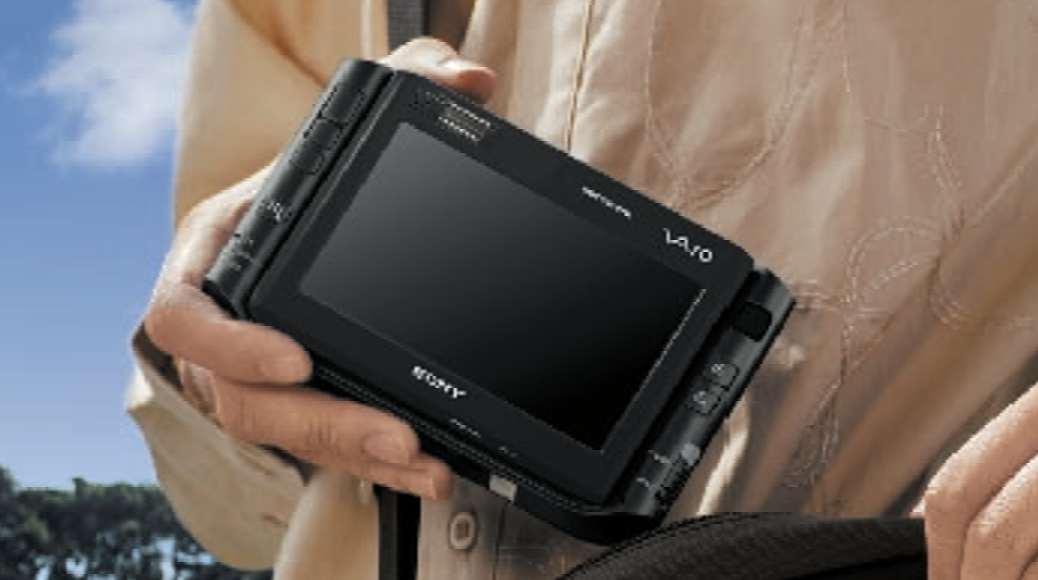
In the past, Ultra Mobile PCs (UMPCs) offered groundbreaking performance in devices small enough to fit in the palm of your hand—a category exemplified by the iconic Sony Vaio UX, with its pioneering slide-up screen. As UMPCs have faded into obscurity, replaced by other types of computers, enthusiasts for compact computing have fewer options. Nonetheless, there are still products on the market that reflect the essence of the UMPC. Here we explore three alternatives that retain the spirit of these once-popular devices.
The GPD Pocket 3 is a small-sized device that offers some unique features. With an 8-inch display, it boasts impressive port options and can even be configured with a Core i7 processor. A standout feature of the GPD Pocket 3 is its modular port system, enabling users to switch between a gigabit Ethernet port, an extra USB 3.0, or an RS232 serial port. This flexibility makes it exceedingly useful for network administrators who require ease of connectivity without carrying larger laptops and multiple dongles. Additionally, the device has a serviceable keyboard, a rotating touchscreen, and supports touch input with heightened sensitivity.
Competing closely with the GPD Pocket 3 during its release was the One Netbook A1 Pro. Though no longer in production by One Netbook, retailers like Geekbuying and Aliexpress still carry this model. The A1 Pro is slightly smaller with a 7-inch screen but matches the GPD Pocket 3 in terms of specifications. It also comes with both an RS232 serial port and a gigabit Ethernet, providing connectivity without the need to swap modules.
A more budget-friendly option is the ambiguously named “8 inch Mini Laptop HD Touchscreen Portable 2-in-1 Small Computer for Business and Students” manufactured by Kooforway, and found on Amazon.com. This device mirrors the features of the GPD Pocket 3 and A1 Pro with a few differences, such as the lack of a serial port and a rather peculiar 12GB of RAM. Despite its off-brand nature, it has garnered positive reviews and, given the affordability and backing of Amazon’s return policy, it may be an attractive gamble for some.
The landscape of UMPC alternatives extends beyond these options, including the GPD Win Mini and Max, as well as customizable solutions involving a Raspberry Pi and external peripherals. While traditional UMPCs may no longer be mainstream, the desire for compact and powerful computing solutions persists, indicating that the spirit of UMPC lives on through these modern incarnations.