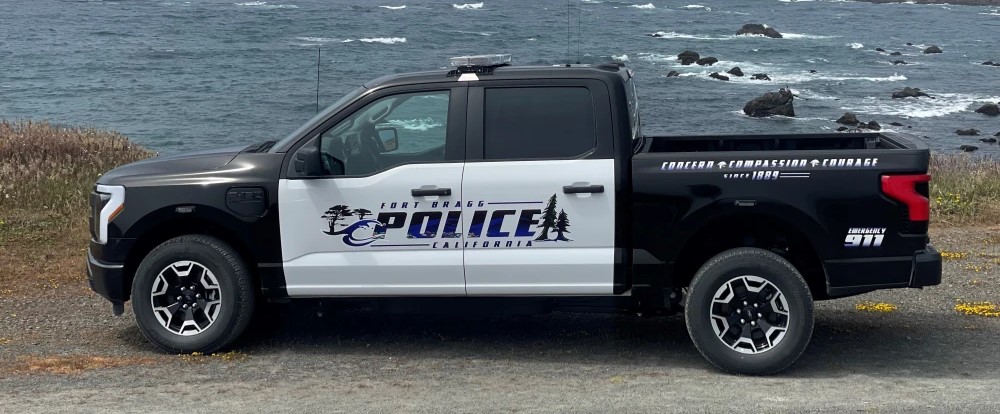
Over the past year, three police departments that embraced electric vehicles (EVs) have experienced a mixed bag of outcomes and challenges. Their findings are shedding light on how suitable these eco-friendly cars really are for the demands of law enforcement.
Typically, police vehicles are robust versions of SUVs and sedans equipped with enhancements like heavy-duty tires, higher capacity batteries, advanced lighting, and powerful engines. They also come fitted with essential gear such as police terminals, cameras, rear-seat barriers, gun mounts, and bulletproofing. All these additions aim to meet the rigorous needs of patrolling and capturing suspects.
Two California police departments, Ukiah and Menlo Park, ran into several obstacles with their Tesla models in a police context. Ukiah’s experience with the Tesla Model 3 highlighted issues such as cramped rear seats, which limited the transport capacity to one prisoner, and restrictive front seats that made exits cumbersome for officers. Additionally, lengthy recharge times posed significant logistical challenges, especially when transporting detainees long distances. Modifying the Model 3 into a police vehicle was a costly venture, totaling around $150,000 each.
Menlo Park’s Tesla Model Y faced its own set of issues. Officers reported problems with Tesla’s advanced driver-assistance systems, which could not be disabled and sometimes halted the vehicles unpredictably when pulling over suspects or during pursuits. Other nuisances included automatic locking that hindered quick access and complex touch controls that detracted from operational efficiency. The vehicle’s low clearance also hampered off-road pursuits, and the modifications severely reduced the Model Y’s battery range from the advertised 330 miles to just 195 miles.
Meanwhile, the Ford F-150 Lightning encountered its own hurdles in Fort Bragg. Officers initially struggled with the nuances of EV charging, even showing up late to events after relying on inadequate Level 1 charging stations. While faster chargers did alleviate some issues, range remained a concern, especially during trips through mountainous terrain or colder weather that further diminished battery life. Additionally, the scarcity of transformers needed to install faster chargers impacted the department’s ability to efficiently recharge their vehicles.
These stories serve as critical reminders for police departments to thoroughly evaluate the pertinent infrastructure and specific requirements before investing in EVs. Costly as they may be, the benefits must align with the practical demands of law enforcement work. For those passionate about joining the police force, being well-prepared for the challenges of the job is crucial.