Nintendo’s recent legal actions against the Yuzu emulator team have resulted in a significant $2.4 million settlement and the project’s termination. This outcome sends a clear message about the risks associated with infringing on Nintendo’s fiercely protected intellectual property rights.
Nintendo, a company renowned for its aggressive stance on IP protection, has historically been more tolerant of emulation projects related to legacy consoles. Emulators such as RPCS3 and Project64 have generally operated without interruption, likely due to their focus on older gaming systems. However, the Nintendo Switch is still active in the market, making any emulation of its platform more contentious, especially as more powerful handheld PCs provide a superior gaming experience.
The situation for the Yuzu emulator was exacerbated by its monetization strategy. Unlike many emulation projects that primarily argue fair use for preservation, Yuzu and Citra (a 3DS emulator) offered paid early access and exclusive features to Patreon subscribers. This commercial aspect eroded the argument of fair use and likely contributed to the size of the settlement, which interestingly corresponds to the total Patreon earnings for Yuzu since the release of the Switch.
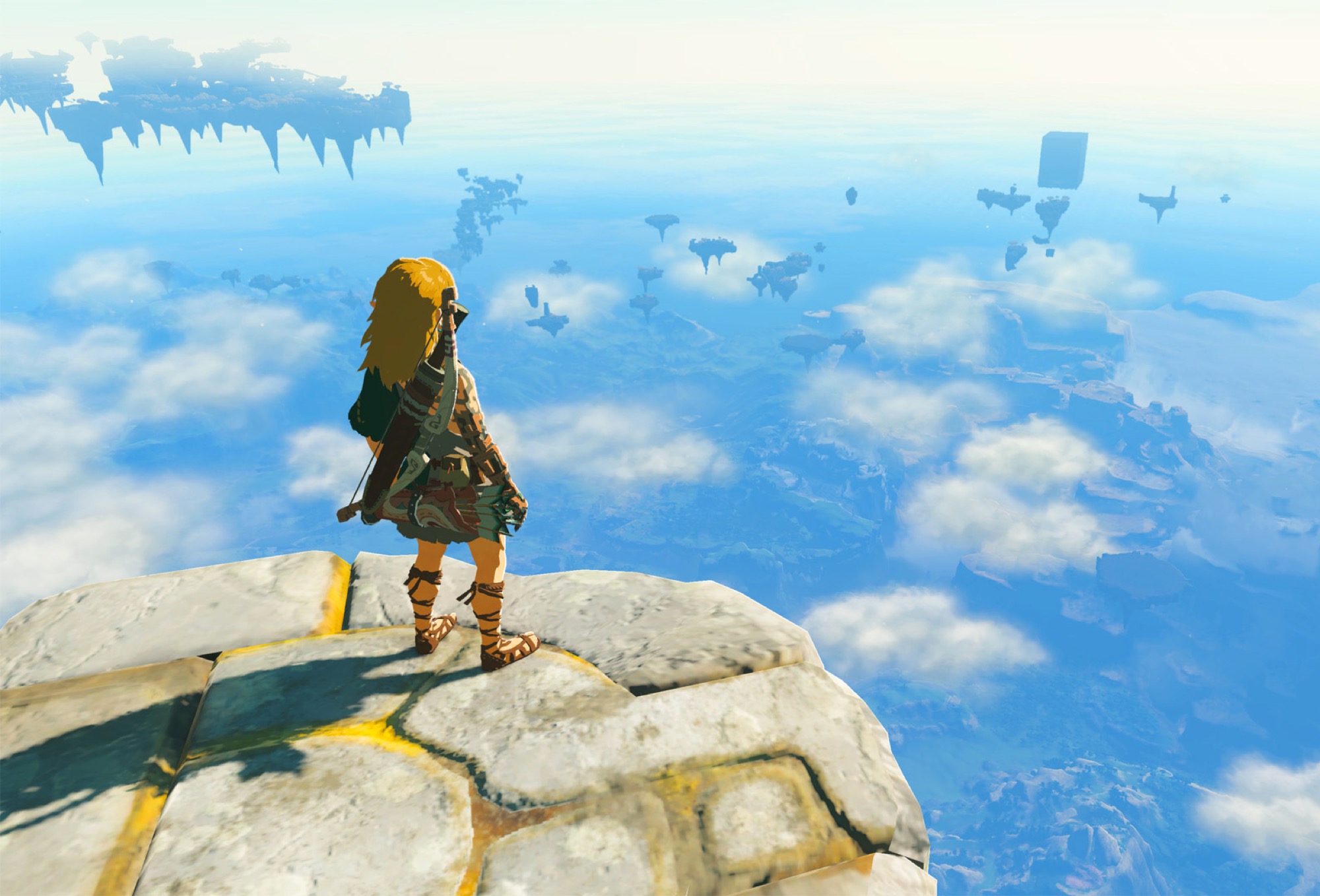
Furthermore, Yuzu’s brush with enabling piracy, particularly during the early leak of “The Legend of Zelda: Tears of the Kingdom,” amplified the legal threat. The emulator’s subscriber count spiked around this time, and data indicated that the developers were fully aware of the extent of piracy through telemetry feedback.
This scenario illustrated a potential loss of sales for Nintendo and created an environment where pirated versions of games outperform the official offerings, making legitimate buyers feel disadvantaged. Nintendo’s decisive action against Yuzu likely aims to protect future game releases and their next-generation gaming platforms.
It’s worth noting that this legal settlement does not set a legal precedent because it was resolved out of court. Additionally, another well-known Switch emulator, Ryujinx, remains unscathed, suggesting that Nintendo’s action was specific to Yuzu’s operations rather than a blanket stance against all emulation.
The conclusion of this legal dispute indicates that while emulation itself may not be the primary issue, profiting from it and facilitating piracy are activities that companies like Nintendo will not tolerate. This event may lead to a chilling effect within the emulation community, but also serves as a cautionary tale about overstepping legal boundaries in the field of game emulation.
Please share this article to spread awareness about the implications of this significant legal outcome in the emulation community.