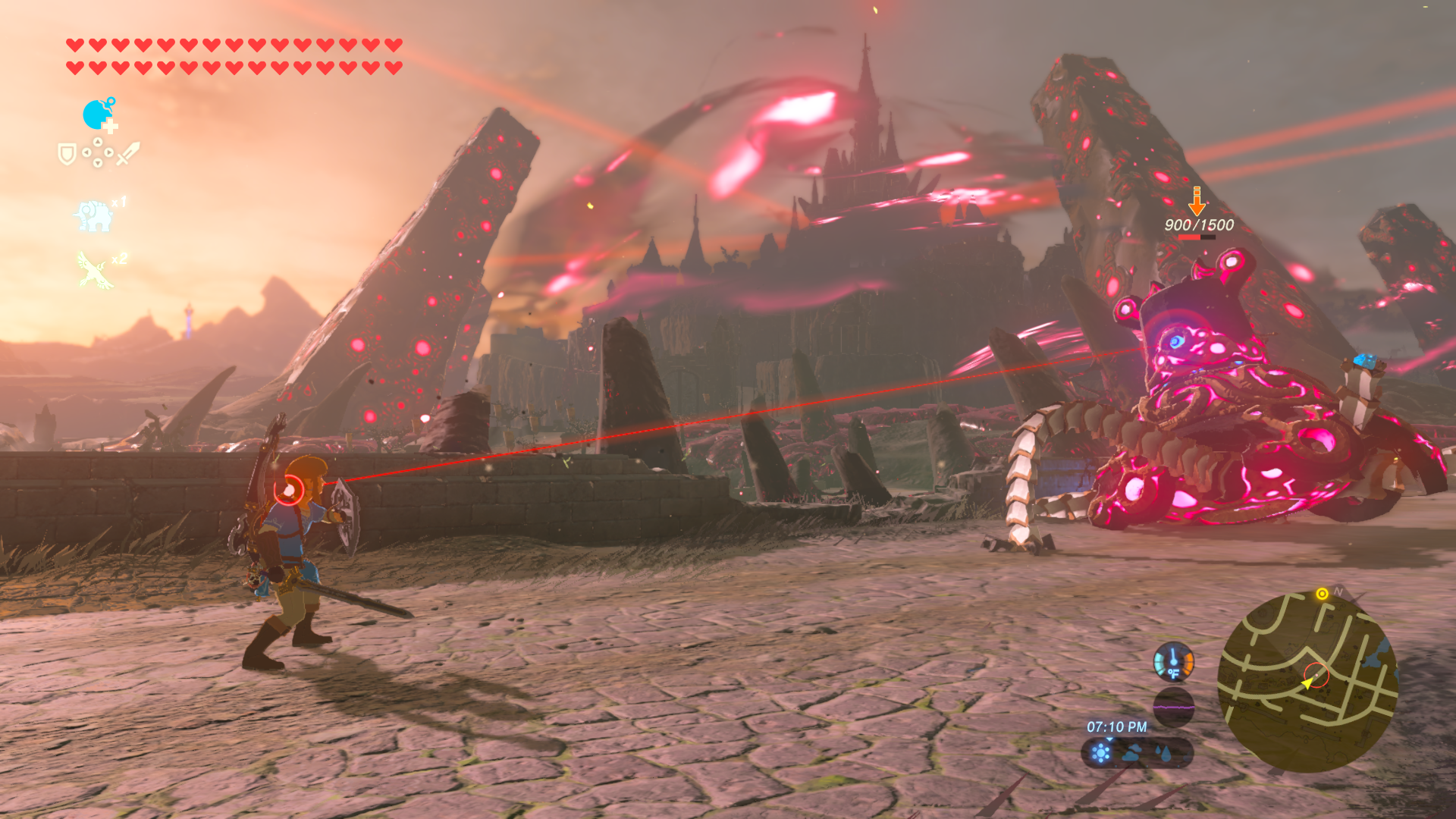
Nintendo has taken legal action against the team behind the popular Nintendo Switch emulator, Yuzu. The gaming giant has filed a lawsuit alleging that Yuzu enables users to circumvent the security measures of its Switch console, contributing to copyright infringement and piracy, particularly highlighted by the early access obtained by players to the anticipated game, The Legend of Zelda: Tears of the Kingdom.
Despite its open-source nature, Yuzu has found itself under Nintendo’s scrutiny for allegedly facilitating the playing of pirated games. A recent development heightened concerns as an Android port of Yuzu made the emulator even more accessible to the public. The lawsuit was made public through an excerpt shared online, revealing Nintendo’s stance on the matter.
Nintendo’s filing emphasizes that emulators allow users to play exclusive content meant for the Switch on various general-purpose devices, which, according to them, is unlawful. The company has further illustrated their point by mentioning how The Legend of Zelda: Tears of the Kingdom, retailing for around $54, was played by users a week before its official release date, with an early version reportedly downloaded over one million times.
Despite the backlash from Nintendo, emulators themselves are not inherently illegal in the United States, as demonstrated by a historic legal case between Sony and Connectix. However, the legality often hinges on the encouragement of using emulators for playing legally-owned games and obtaining necessary files from one’s own console.
Should the lawsuit succeed and Yuzu faces dismissal, the vacuum left by its absence is likely to be quickly filled by other emulation options available to enthusiasts, such as Ryujinx, Citra, Dolphin, and CEMU.
The unfolding legal drama between Nintendo and Yuzu will be closely observed by both the gaming and legal communities to see if Nintendo will be able to set a new precedent against emulation, or if Yuzu can continue to operate within the bounds of legal emulation practices.
Please feel free to share this information – every mention and link helps to discuss the significance of this event in the gaming world.