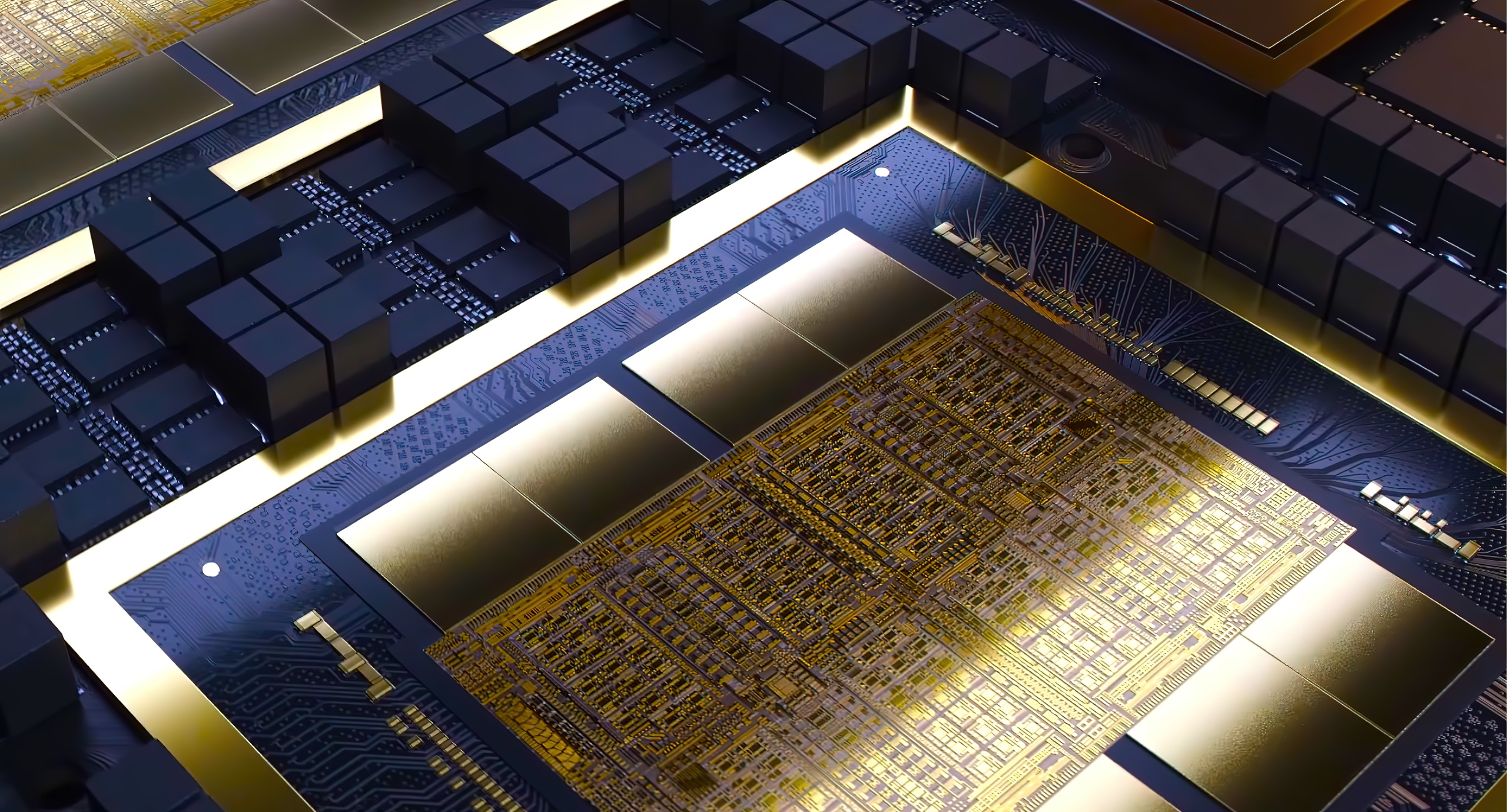
The semiconductor industry, already at the core of technological advancement, is setting its sights on groundbreaking goals for the coming decade. The target? Achieving a semiconductor chip that houses a staggering one trillion transistors. This leap reflects the industry’s commitment to fueling the future of AI and computing power, which is becoming increasingly essential for technological progression.
The Surge in Transistor Counts: Powering Future Generations
Transistor counts serve as a major indicator of a semiconductor’s performance and energy efficiency, making them a critical focus area for industry leaders. As companies make strides in their engineering efforts, we can anticipate transformative leaps in the capacity and capabilities of GPUs and other semiconductors. This enhancement is not just iterative progress but a stride towards truly generational advancements in performance.
Recent developments in semiconductor technology, such as NVIDIA’s Blackwell GPU architecture boasting 208 billion transistors, signal the industry’s commitment to this vision. The shift from these already impressive figures to a trillion is both ambitious and indicative of the rapid evolution that the industry is undergoing.
3D SoIC Technology: A Key Enabler
Advancements in 3D SoIC (System on Integrated Chips) technology are pivotal for reaching the one trillion transistor milestone. The progression in lithography tools now permits the seamless stacking of multiple chips onto expansive interposers, a method that will multiply transistor integrations significantly. This rise in 3D integration is thanks to a combination of refined 2.5D and 3D packaging technologies like CoWoS, allowing experts to go beyond traditional single-chip mounting by stacking transistors densely in a system.
Advancements in Interconnects and 3D Hetero Integration
Interconnects, the pathways that enable communication between different parts of a circuit, will also see pivotal advancements. As highlighted in a recent IEDM conference, TSMC is steering towards providing over one trillion transistors through progressive 3D Hetero Integration techniques by 2030. These developments imply not just incremental improvements but substantial leaps in performance, highlighting that the future of semiconductors involves much more than just reducing node sizes.
Implications for AI and the Tech Industry
The semiconductor industry’s rapid innovation doesn’t occur in isolation. The synergistic drive with the AI revolution ensures that this wave of advancement impacts all tech segments. As we move forward, these innovations are shaping new opportunities and creating avenues, not just for consumer electronics but for enterprise and industrial solutions as well.
The progress in semiconductor technology spells a transformation that could redefine the landscape of computation and data processing. As the industry works tirelessly to meet this one trillion transistor target, the decade ahead promises breakthroughs that will establish new benchmarks in technological capability, not just for the technology sector, but for society at large.
In essence, the trillion-transistor chip is emblematic of the semiconductor industry’s unwavering quest for innovation and excellence—a quest that will likely yield unprecedented leaps in the computational prowess available at our fingertips. This ambitious journey also underscores the vitality of continued research and collaboration across the field to keep pace with the ever-growing demands of an increasingly digital and AI-driven world.