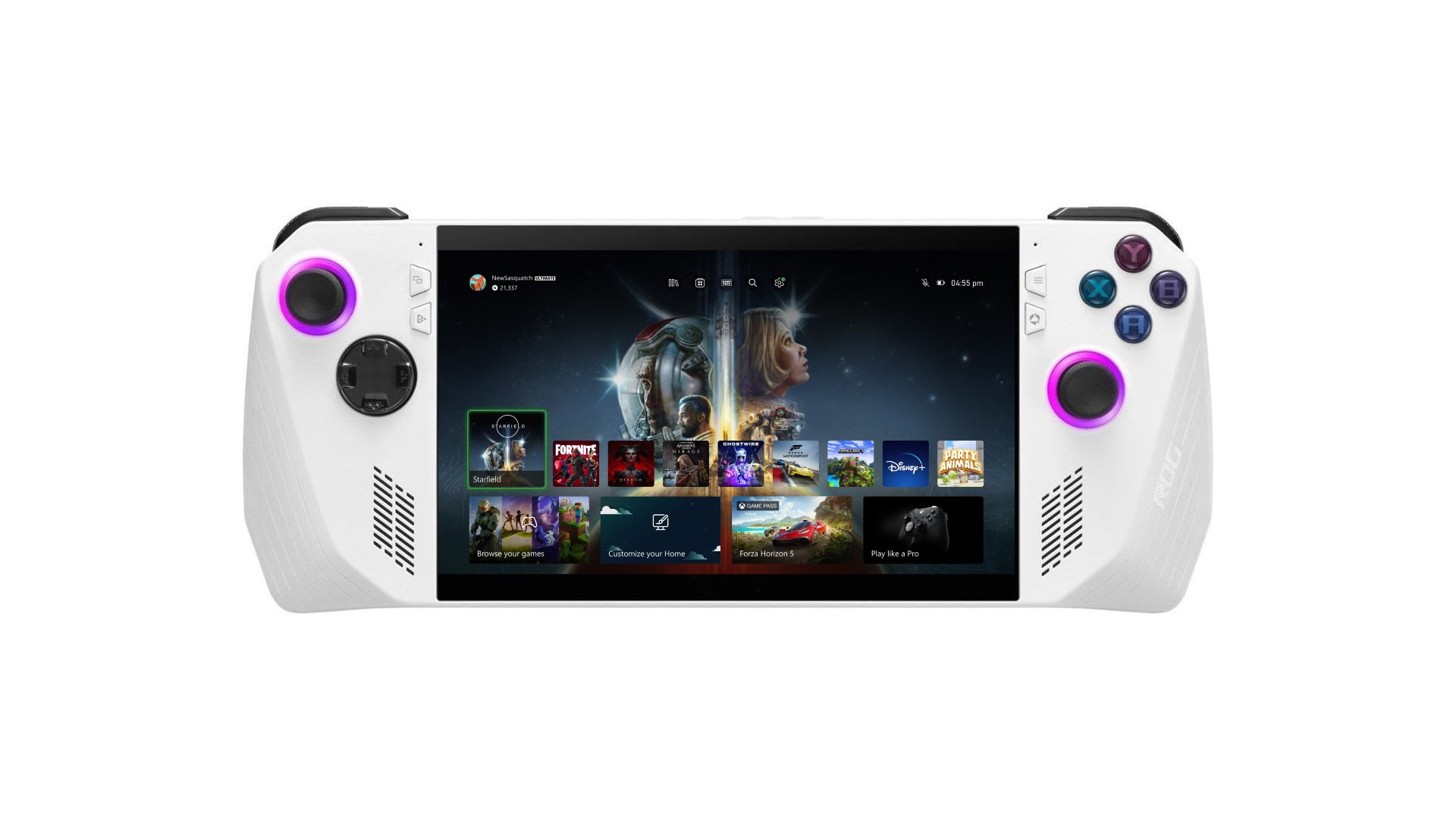
The gaming community is abuzz with the possibility of Microsoft entering the handheld console market—an arena currently dominated by Nintendo and new contenders like Valve’s Steam Deck. While Microsoft’s gaming division, Xbox, has made a significant impact in the home console and PC gaming spaces, they’ve yet to venture into the mobile gaming hardware sector.
The idea that has been circulating is that Microsoft shouldn’t tackle this endeavor alone. Given the highly competitive nature of the handheld gaming market and the intricacies involved in developing portable gaming systems, a strategic partnership with a reputable original equipment manufacturer (OEM) could be the smartest move for Xbox’s potential handheld gaming device.
### Why Microsoft Might Consider a Partnership for an Xbox Handheld
A partnership could take a form similar to Google’s previous Nexus program which saw the tech giant collaborate with established OEMs such as ASUS, HTC, and Samsung to produce devices that effectively combined Google’s software prowess with the hardware expertise of its partners.
Imagine an Xbox gaming handheld developed through a partnership with an OEM renowned for its gaming devices, like ASUS or Lenovo. These companies have already produced well-regarded gaming handhelds, like the ROG Phone and Legion series devices, and could lend their expertise to create a formidable Xbox handheld.
### Benefits of Microsoft Partnering with an OEM
In such a partnership, most of the development burden would rest on the OEM, allowing them to incorporate their established hardware design and manufacturing efficiencies. Microsoft, on the other hand, could focus on providing the software experience, marketing, and customer support – areas where it already excels.
There’s also the option of alternating between different OEMs for subsequent iterations of the Xbox handheld, borrowing the Nexus strategy. This would keep the product line fresh and benefit from the unique strengths of various manufacturers.
### An Alternative Route: Licensing Xbox Software
Microsoft could also opt for an approach centered on software rather than hardware. By developing a custom Xbox software platform for portable gaming, Microsoft could license this system to various manufacturers who would then release devices ‘Powered by Xbox’. This would mimic Microsoft’s Windows licensing model and entice a range of manufacturers to develop diverse hardware options that meet a set of minimum specifications set by Microsoft.
This software-centric strategy could ensure a consistent and optimal Xbox experience across various devices while allowing OEMs to differentiate with unique design elements, ergonomic features, and specifications like screen size and battery life. It could also address usability issues specific to gaming on traditional Windows-based handhelds.
### The Question of Execution
While the potential and strategies for a Microsoft Xbox handheld are worth considering, execution will be critical. Partnering with an established OEM could mitigate some risks and capitalize on existing hardware expertise. On the other hand, a software-led approach could harness broader industry strengths and create a wider array of choices for consumers.
Despite the promise, the tech industry is replete with concepts that never progress beyond the planning stages. It remains to be seen whether Microsoft will green-light an Xbox handheld—and if it does, which path it will choose. Either approach could reshape the handheld gaming market and provide gamers with exciting new options for playing their favorite Xbox titles on the go.
As the gaming landscape continues to evolve, with mobile gaming gaining more traction, the allure of a handheld Xbox gaming device only grows stronger. It may not be a question of if, but when and how Microsoft decides to make its mark on this dynamic sector.