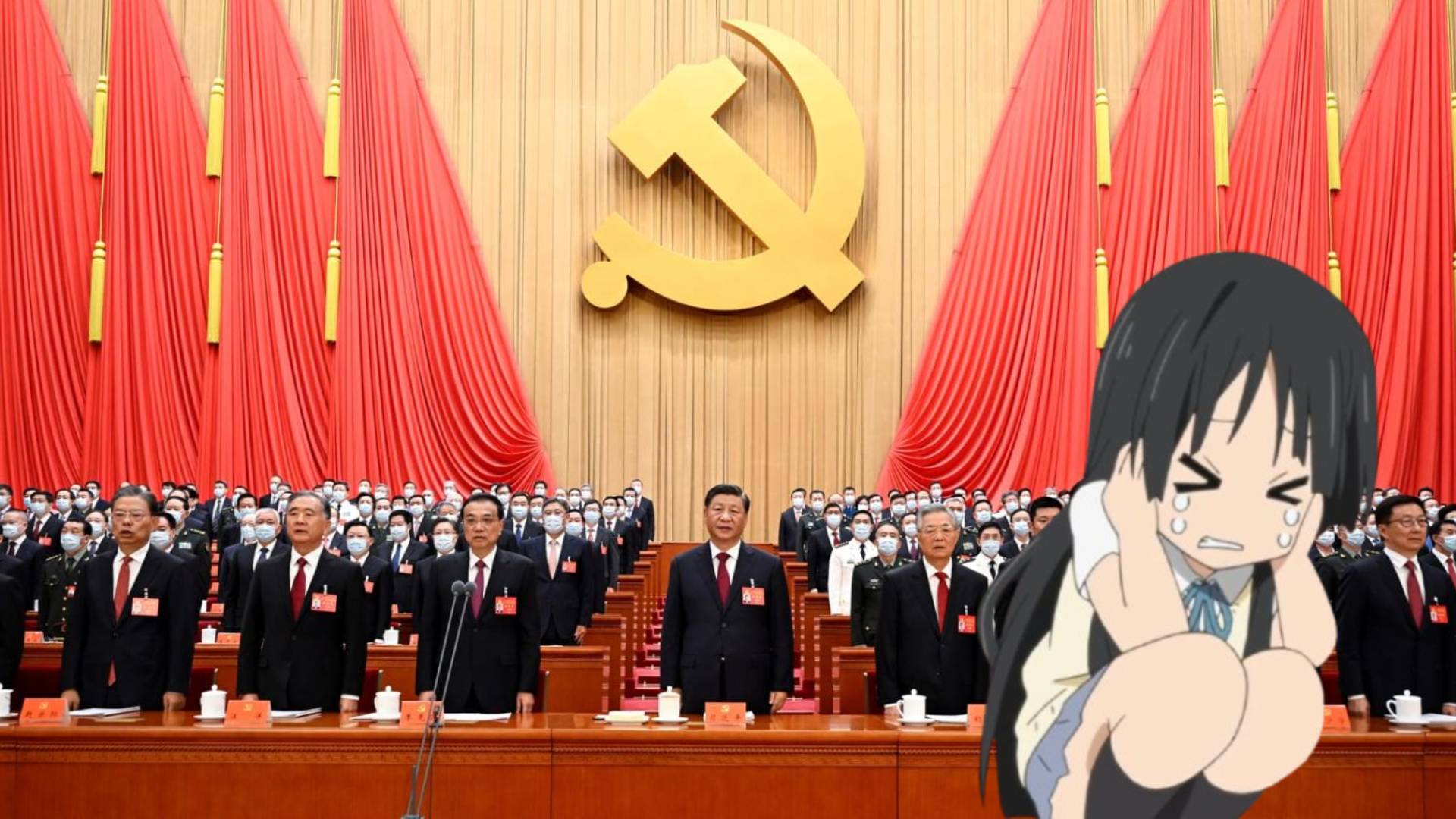
Anime’s international popularity has surged, leading to a significant increase in overseas revenue. However, this global influence comes with its own set of challenges. While international fans can sometimes have a positive impact, as seen when English-speaking audiences rallied to save the series LOVE-BULLET from cancellation, there’s a shadow cast by the influence of the Chinese market.
The Chinese Communist Party’s stringent censorship policies have increasingly shaped the content of anime. Investors and studios, eager to tap into the lucrative, “stable” Chinese market, are making conscious adjustments to their shows to avoid censorship issues. This has led to a cautious approach, especially concerning themes involving romance and rebellion. While themes like violence and death have always faced challenges in China—with examples like the censoring of undead characters in World of Warcraft—now even narrative themes and genres are being scrutinized.
According to sources, narratives involving government overthrow and middle school romance are among those now prohibited. China’s integration of media into its government propaganda extends to the requirements for businesses to align with and support the party’s activities. This year, the United States even labeled Tencent, the owner of League of Legends, as a “Chinese Military Company,” highlighting the complex relationship between commerce, media, and politics in China.
As anime continues to captivate audiences worldwide, the balancing act between creative freedom and international market demands becomes ever more intricate. The global anime community is left to ponder the cost of this expanding influence on their beloved art form.