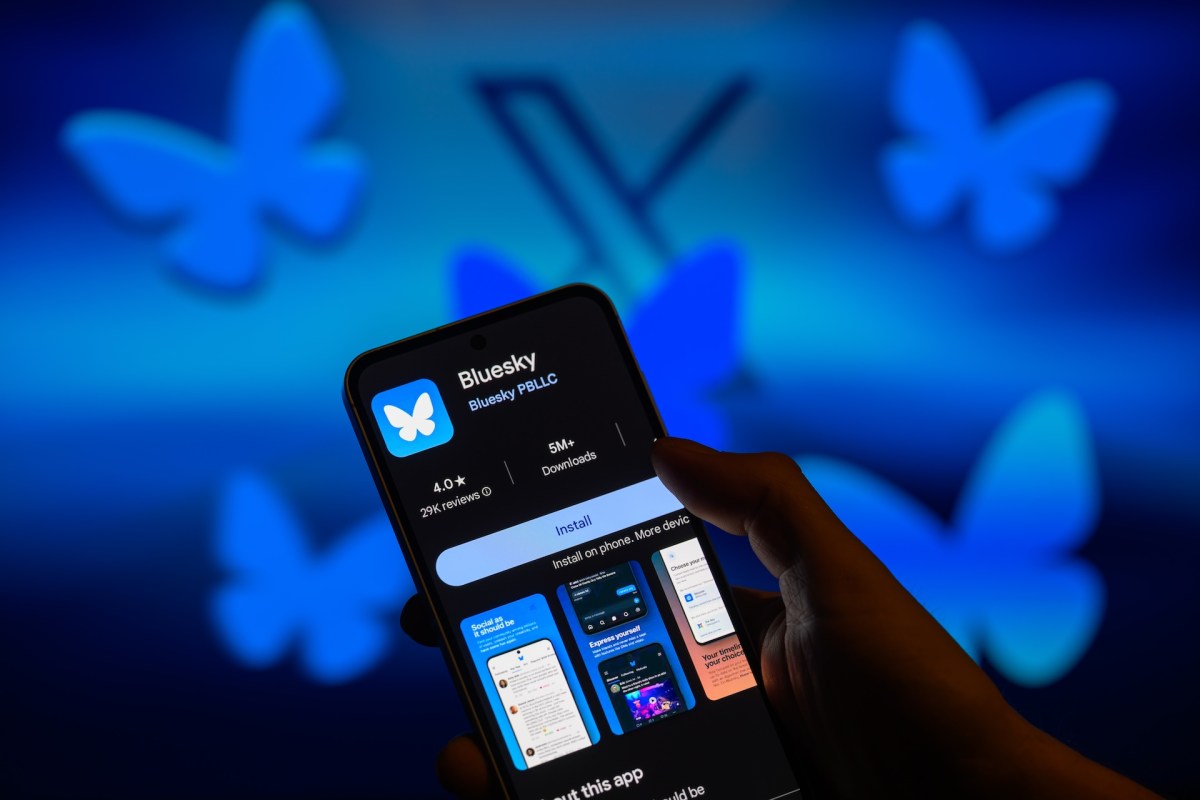
In a recent development that’s stirring debate, the social network Bluesky has encountered government censorship in Turkey. This comes after the platform restricted visibility to 72 accounts at the Turkish government’s request, limiting their reach within the country. This marks a significant moment for Bluesky, given its reputation as a platform for users seeking refuge from censorship-heavy sites like X, formerly known as Twitter.
According to a report from the Freedom of Expression Association, 59 accounts were blocked citing concerns over national security and public order, while an additional 13 accounts and at least one post were made invisible. This move has sparked discussions about the extent of Bluesky’s decentralized and open structure.
Unlike more rigid platforms, Bluesky’s infrastructure allows for some circumvention of these blocks, albeit not as freely as platforms like Mastodon. On Mastodon, users can switch servers to avoid censorship, a flexibility that Bluesky partially shares due to its technical makeup.
Users on Bluesky’s official app face certain limitations. The app’s built-in moderation settings and geographic labelers automatically enforce regional censorships, with no opt-out option available. These labelers, like the Turkish moderation labeler, are responsible for complying with governmental censorship demands. However, the wider world of third-party apps within Bluesky’s ecosystem, known as the Atmosphere, remains a more open field.
These third-party Bluesky apps, such as Skeets, Ouranos, and Skywalker, do not have to adhere to the same geographic moderation rules. Because Bluesky is founded on the AT Protocol, these apps can access and present content without enforced regional blocks. This allows users to potentially bypass Turkish censorship.
Nonetheless, several caveats accompany this workaround. Developers of these third-party apps may not intentionally avoid implementing geographic labelers; it’s often a matter of additional work they choose not to engage in. The smaller user base of these apps compared to the official Bluesky app means they may evade immediate governmental scrutiny. Yet, increased popularity could risk attracting attention, with the potential for governmental pressure to comply, similar to concerns surrounding Apple’s App Store policies.
One notable project, Deer.social, led by developer Aviva Ruben, is setting a precedent by offering a Bluesky client that allows users to disable official moderation and utilize alternative labelers. This app even lets users manually configure their location, thus negating geolocation-based censorship restrictions.
Ruben highlights the potential for stricter policies in the future, advocating for diverse ways to access Bluesky’s data. While currently centered on Turkey, the conversation points to broader implications, where any government, including the U.S., could enforce censorship beyond illegal content.
As these alternative apps and methods gain traction, the challenge of navigating government censorship within decentralized networks like Bluesky remains a key discussion point. While loopholes exist, the potential for wider restrictions looms, emphasizing the need for diverse, resilient access strategies in digital communication platforms.