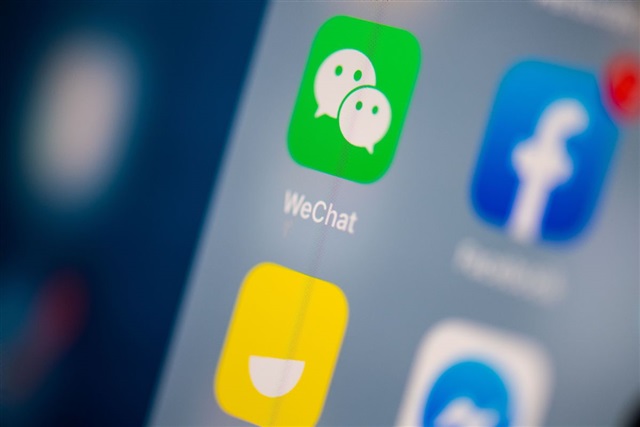
The recent move by the US Department of Defense to add Tencent to its Entity List could shake up the tech industry, especially affecting its renowned messaging app, WeChat. Known for its wide-ranging services in China, WeChat might face substantial hurdles, particularly for its international users.
This development also casts a shadow over Tencent’s bond with Apple, which has already experienced friction due to disputes over app payments and software updates. The sanctions could severely impede WeChat’s technological progress and inhibit its global reach. Analysts predict that these new restrictions will limit Tencent’s access to essential US technology necessary for groundbreaking advancements in cloud computing, AI chips, and data processing. The challenges imposed could not only slow down innovation but also further erode trust, especially in the international versions of WeChat already scrutinized in Western markets for privacy issues.
While the sanctions target Tencent Holdings at large, the repercussions could be profound for WeChat, Tencent’s most celebrated platform. Potential long-term consequences include hampered technological advancements and reduced trust globally, which might stifle market expansion. Tangentially, Apple’s App Store could find itself under increased examination, potentially leading to WeChat’s removal or restricted functionalities.
For Apple, the stakes couldn’t be higher. With Greater China contributing a significant portion of its global revenue, removing WeChat from the App Store would not only dent its market allure in the region but also alienate countless long-time Apple users in China who rely on WeChat’s services. This could drastically hurt Apple’s iOS adoption and overall user satisfaction. To understand how critical WeChat is to Apple’s sales, let’s look back to 2020. During that period, executive orders aimed at Chinese-owned apps, like WeChat and TikTok, provoked intense discourse about the potential impact on Apple’s customer base within China. Analysts warned that banning WeChat from the App Store could cause a 30% plunge in global iPhone shipments. Reports highlighted that approximately 95% of over 1.2 million Chinese social media users surveyed claimed they’d abandon Apple products if WeChat were unavailable on iOS. The application, surpassing mere communication, is deeply integrated into daily life in China, handling social interactions, payments, and more, making it indispensable.
Tencent might take a page from TikTok’s book as it looks to shield its platforms from US scrutiny. TikTok managed its challenges by adapting to regulatory demands and emphasizing localized operations, offering Tencent a roadmap to sustaining its global reach amidst rising tensions.
In this high-stakes scenario, negotiation emerges as the potential path forward. Maintaining a cooperative relationship would be advantageous for both tech giants. Apple, reliant on Chinese markets, cannot truly afford to cut ties with Tencent, while Tencent might adopt strategies similar to TikTok’s to preserve its operational future. Collaborating, instead of clashing, might pave the way for mutual gains while easing the strain between US-China tech relations.