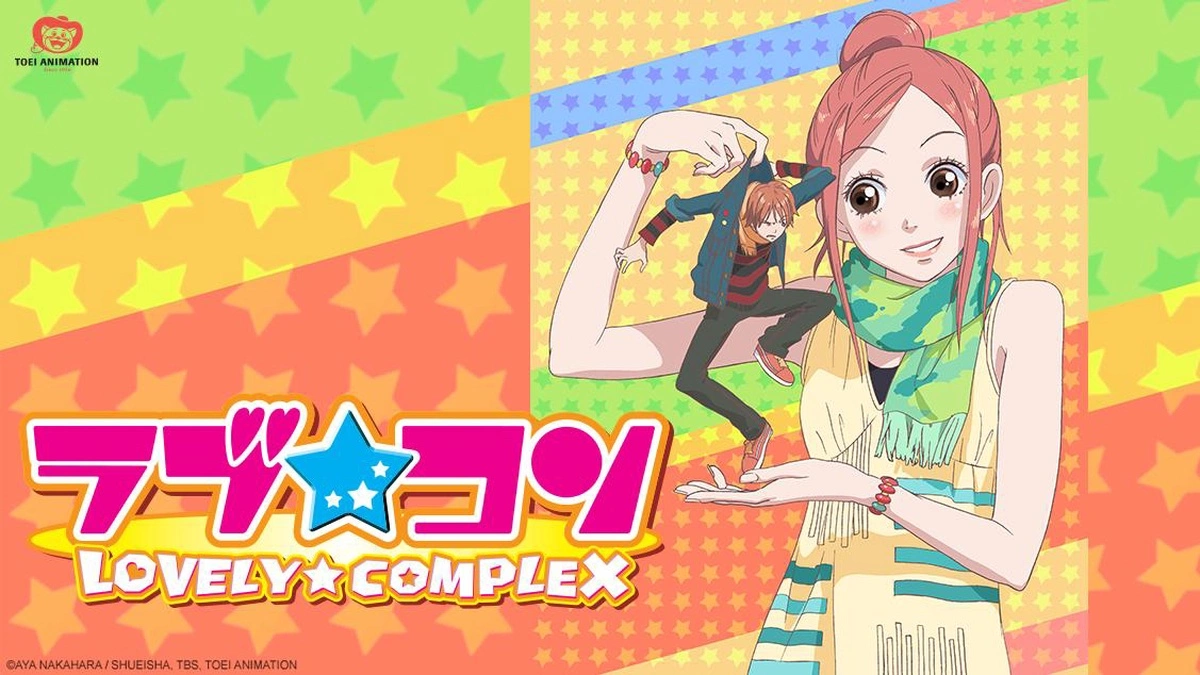
Recent discussions have brought to light a contentious approach to the English dubbing of the beloved anime series, *Lovely Complex*. This has sparked debate and opened up dialogue about dubbing practices and respect for source material within anime localizations.
Reports have emerged of individuals involved in the English dub expressing disdain for the original series and subsequently implementing significant changes to the English version. The professionals responsible for the adaptation reportedly took liberties in altering content, fighting what they identified as problematic elements within the original narrative, such as transphobic tropes.
The discourse was ignited by the public release of a statement by a writer involved in the dubbing process, who openly detailed the alterations made to the original script. This person, originally contracted to assist with the dubbing process, described both the motivation behind the edits and the nature of the changes made, which diverged from the source material.
The team faced backlash regarding an overtly negative portrayal of a primary character, Risa Koizumi, by one of the writers in the team, alongside concerns about the handling of transgender issues in the series, specifically connected to the character Seiko. Instead of delivering a translation that held true to the original material, the writer openly talked about making cuts, tweaking contexts, and overhauling dialogues.
There was an opportunity for the team to contextualize the series as a reflection of its era — originally released as a manga from 2001-2007, later adapted into an anime in 2007. However, not only did they steer away from preserving the original essence for fans, but there was also a lack of transparency regarding the extent of the changes made.
The overwhelming sentiment from the writer was pride in the quality of the dub, citing that the series’ appeal to any new audience would be entirely due to their contributions. The original publisher of the English dubbed version of *Lovely Complex* is Discotek Media, which has found itself amidst this dubbing controversy.
This situation has led to broader discussions in the anime community about the ethics and transparency of localization and the responsibility of those involved to stay true to the creators’ vision while adapting content for international audiences. The writer’s statements have raised questions about the localizers’ autonomy from the original narrative intent and the silent encouragement from publishers for localizers to follow personal discretion, as long as public declarations of such practices are avoided.
The industry is now confronted with reevaluating its practices to ensure that respect for the source material and its original audience is maintained, while also providing accessible and culturally sensitive translations for new viewers. The importance of a balance between fidelity to the original and the necessity of sensitivity in localization has been underscored by these events, stirring a dialogue on the best way forward in anime dubbing and translation.


