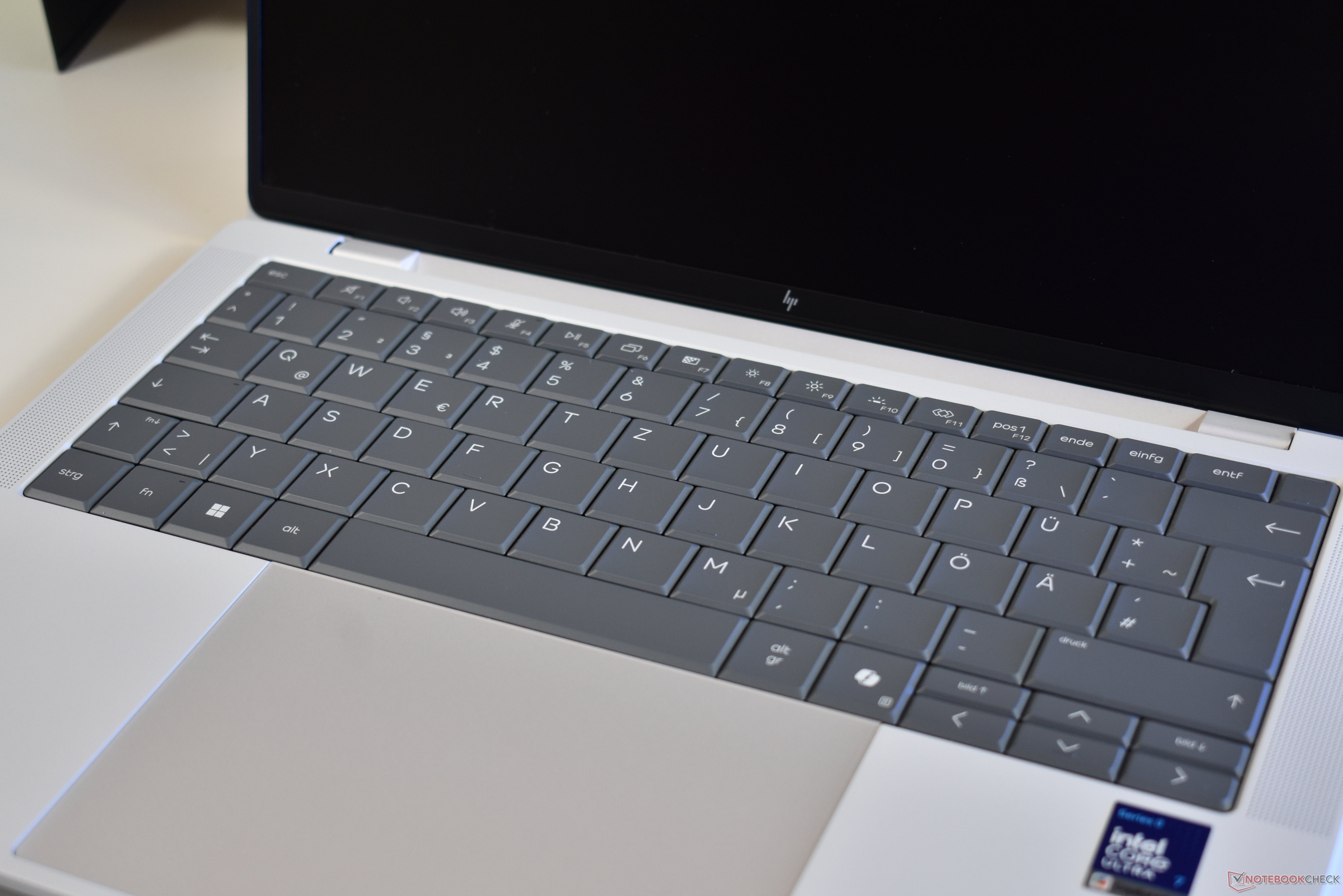
HP EliteBook X G2i 14 Brings Back a Laptop Repair Feature Users Have Missed
For years, replacing a broken laptop keyboard was a simple fix. Many older laptops used a top-mounted keyboard design, which meant the keyboard could be removed from above without taking apart the entire machine. If a key stopped working, liquid damage occurred, or the keyboard simply wore out, repairs were often quick, affordable, and practical.
That changed as laptops became thinner and more compact. The rise of ultra-slim notebooks pushed manufacturers toward tightly integrated designs, where the keyboard became part of the palm rest or top cover assembly. This bottom-mounted keyboard layout helped reduce thickness, but it also made repairs far more difficult. In many modern laptops, replacing the keyboard requires removing multiple internal components, disassembling much of the device, or even replacing the entire palm rest section.
For users, that shift was frustrating. A small keyboard problem could turn into an expensive repair. For businesses managing large fleets of laptops, it meant more downtime and higher maintenance costs. For environmentally conscious buyers, it also contributed to unnecessary waste when otherwise functional machines became harder to repair.
Now, repair-friendly laptop design appears to be making a comeback.
The HP EliteBook X G2i 14 is a strong example of this shift. This premium 14-inch business laptop keeps the sleek and modern profile users expect, measuring under 20 mm thick, while bringing back a more practical feature: a user-replaceable keyboard.
That is a major win for repairability. Instead of forcing users or technicians to dismantle the entire laptop just to access the keyboard, HP has designed the new EliteBook X G2i 14 so the keyboard can be removed from the top. According to the repair process, the Escape keycap is removed first. Beneath it is a small tab that needs to be pushed to the left. Once released, the top edge of the keyboard lifts up, and after disconnecting the cables, the keyboard can be taken out.
Compared with many thin laptops on the market, that is a much more user-friendly approach. It also marks a noticeable change from the previous EliteBook X G1i, which used a more typical ultrabook-style construction where the keyboard was integrated into the top cover.
This may sound like a small design detail, but it matters. Keyboards are among the most heavily used parts of any laptop. They are exposed to dust, crumbs, spills, heavy typing, worn keycaps, and accidental damage. Making them easier to replace can extend the life of the entire device.
The timing also makes sense. Around the world, repairability is becoming a bigger priority for buyers, businesses, and regulators. In Europe especially, there has been growing pressure on manufacturers to design products that are easier to maintain, repair, and keep in use longer. At the same time, modular and repair-focused laptops have helped prove that consumers do care about serviceability, not just thinness and performance.
The HP EliteBook X G2i 14 shows that slim business laptops do not have to sacrifice repairability completely. A device can still look modern, remain portable, and offer premium features while also being easier to service when something goes wrong.
For business users, IT departments, students, and anyone who wants a laptop that can last longer, this is a welcome development. Easier keyboard replacement can reduce repair costs, shorten downtime, and make the laptop a better long-term investment.
Hopefully, this is not just a one-off design choice. If more HP laptops and other premium notebooks adopt similar repair-friendly features, laptop buyers could finally see a better balance between thin design and practical maintenance. The return of the replaceable laptop keyboard is a step in the right direction, and it is one many users have been waiting for.