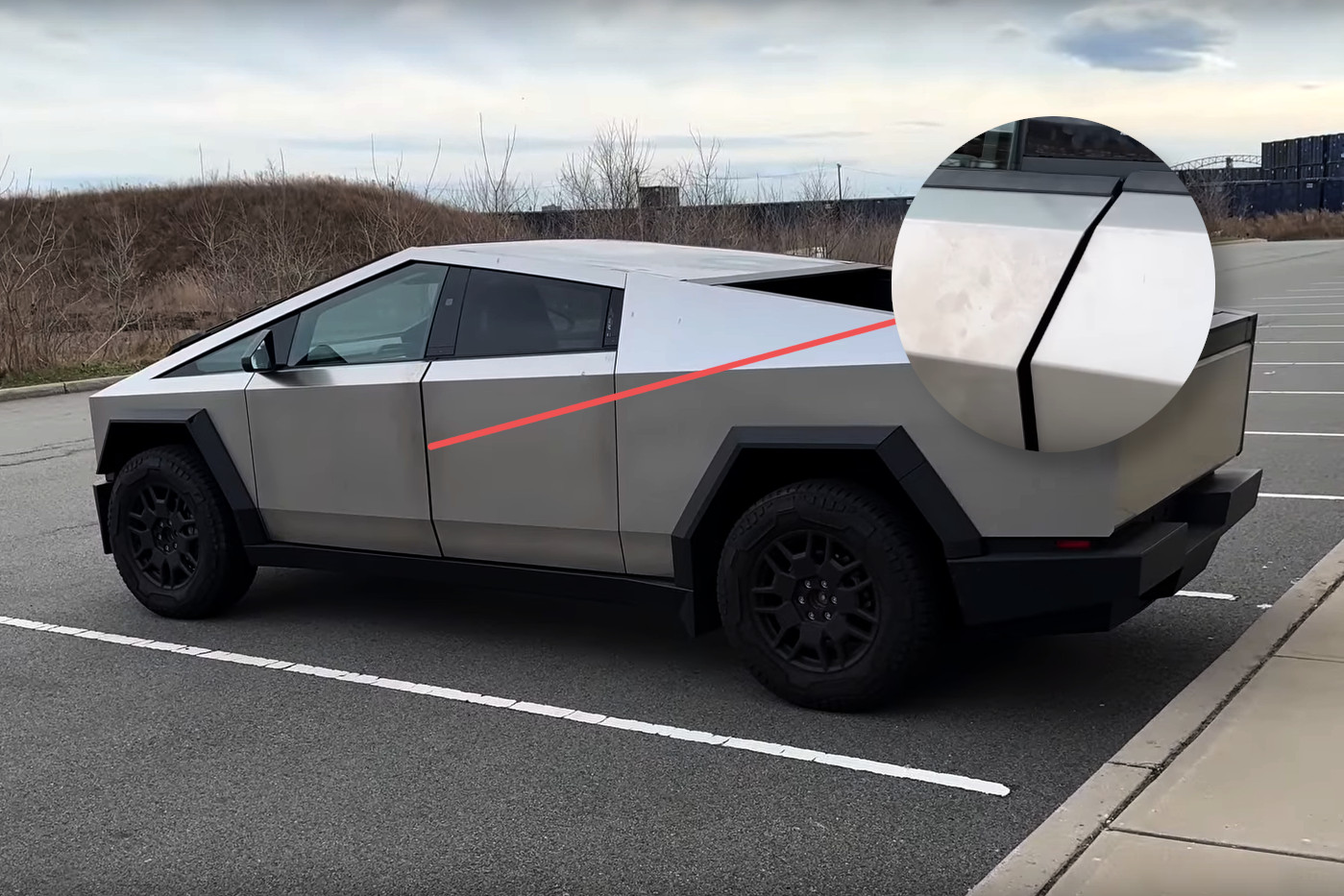
In the rapidly evolving landscape of electric vehicles, Tesla’s Cybertruck has been a subject of much anticipation and scrutiny. The latest concerns arise from a door striker quality control issue that was highlighted by reviewers and confirmed by Elon Musk.
As the Cybertruck begins to make its way to consumers and industry reviewers, a clearer picture of its strengths and shortcomings is coming into public view. A notable review surfaced when YouTuber Marques Brownlee shared his experience with the Cybertruck after covering nearly 1,000 miles. While Brownlee recognized several positive aspects of the pickup truck, he was prompt to point out some challenges in quality control, particularly with the door striker mechanism.
Brownlee’s reveal pointed towards a significant panel gap on the driver-side front door, caused by a loose door striker, which he described as one of the worst he had seen on a production vehicle. This led to further investigation and a temporary fix involving the unconventional use of gaffer’s tape to hold the component in place.
Responding to the matter, Elon Musk clarified that a small number of Cybertrucks – about 15 by his account – were impacted by this issue, which he attributes to insufficient torque applied during the assembly process. Musk reassured that this is a minor fix that can be managed in minutes by service personnel and that production processes have been updated to prevent future occurrences.
Despite the reassurance, consumers and critics are debating whether such issues should even be a factor in vehicles that command a significant price tag, as Tesla’s electric pickup truck does. Many suggest that thorough quality control measures should have detected and mitigated these issues before the trucks were delivered to customers.
These recent problems mirror past experiences with other Tesla models, such as the early Model 3 vehicles that faced criticisms over panel gaps and surface rust issues. As with the Model 3, improvements in the build quality were made over time, and customers are hoping for a similar progression with the Cybertruck, especially as Tesla looks forward to achieving high sales volumes for the model, comparable to the success of the Model 3.
While the company strives to address these concerns, the Cybertruck continues to garner interest and discussion across various platforms, with fans and critics alike closely observing its development and rollout. Tesla’s commitment to refining and improving their vehicles post-launch will likely play a critical role in the Cybertruck’s long-term success and customer satisfaction.
The Cybertruck’s journey from concept to production has been eventful, and the door striker issue is a reminder that quality control remains a crucial aspect of manufacturing. For Tesla, ironing out these initial wrinkles will be essential to maintain their reputation as innovators and leaders in the electric vehicle industry.
For those keen on exploring the design and production story of the Cybertruck in more depth, the vehicle’s development has been captured in biographical works about Elon Musk, and miniature die-cast models are available for enthusiasts to collect. These resources provide insight into the vision and engineering behind one of the most talked-about electric trucks in the market today.