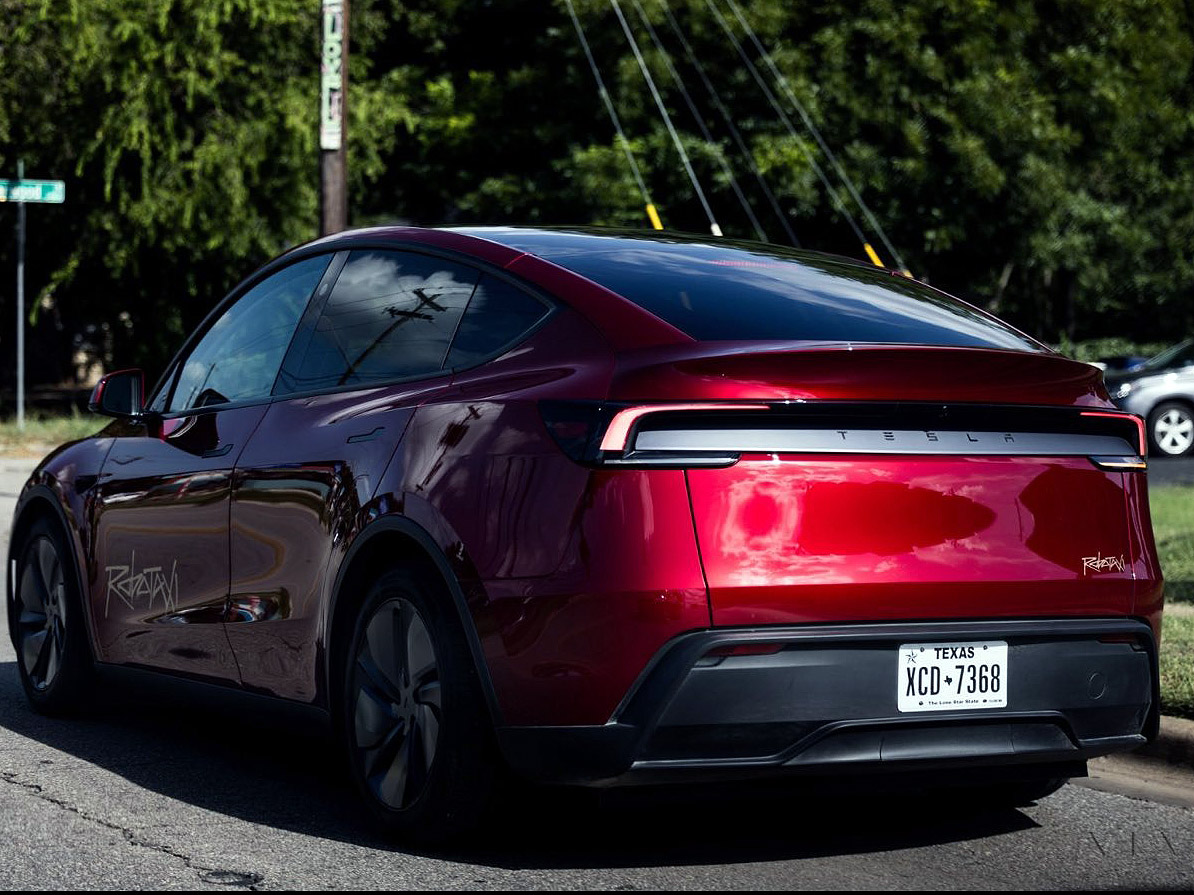
Tesla is set to introduce its robotaxi service in California by the end of summer, expanding its presence in autonomous vehicle-friendly states like Florida, Arizona, and Nevada. According to Elon Musk, this rapid expansion of Tesla’s ride-share platform is expected to begin in the next few weeks, with the Bay Area slated to receive robotaxis by September.
Tesla aims to have its ride-share service cover half of the US population by the end of 2025. Musk envisions that robotaxi rides will significantly contribute to Tesla’s financial performance by the end of 2026. The projected cost per mile for the new Cybercab, a two-seater designed specifically as a robotaxi, will be notably low, allowing for competitive pricing in the ride-share market.
During a recent quarterly earnings presentation, Tesla officials highlighted that the insights gained from the Austin robotaxi pilot, which operates outside a geofenced area, can be implemented nationwide. This flexibility promises rapid network scalability once state approvals are secured.
Tesla’s vision-only technology is positioned as a key advantage, facilitating quicker validation and scaling compared to competitors like Waymo. The Nevada DMV has already engaged in discussions with Tesla about launching the service there, indicating a smooth path forward pending documentation.
The current service using Model Y vehicles operates at about fifty cents per mile, maintaining competitiveness in the market. With the introduction of the Cybercab in 2026, operational costs are expected to decrease to thirty cents per mile. This reduction will not only enhance profitability but also enable Tesla to accelerate its expansion by leveraging additional financing options.