In a significant stride towards enhancing its global presence, Tesla has recently achieved a major milestone by securing certification as a secure personal information broker in China. This certification allows the company to operate data centers and deliver online processing and content distribution networks, ensuring that the data gathered from Chinese citizens remains safeguarded and local. This move aligns with the Chinese government’s stringent regulations aimed at protecting personal data and could have a profound impact on Tesla’s plans, especially concerning its Full Self-Driving (FSD) service.
Currently, Tesla is conducting pilot FSD tests with its Model Y vehicles in China. To roll out this revolutionary service in the world’s largest automotive market, Tesla must convincingly present its results to the Chinese regulators. The Chinese authorities have shown a welcoming attitude towards foreign companies offering autonomous driving technologies, emphasizing that such innovations could enhance the autonomous experience as companies collaborate and as public perception improves.
Tesla’s entry into the Chinese autonomous driving market faces stiff competition. Local competitor Xpeng is already ahead in the game, set to be the first local company to secure approval for its self-driving innovations in major Chinese cities this quarter, thanks to its P7+ sedan. On the other hand, Tesla’s FSD might not see approval in China until next year.
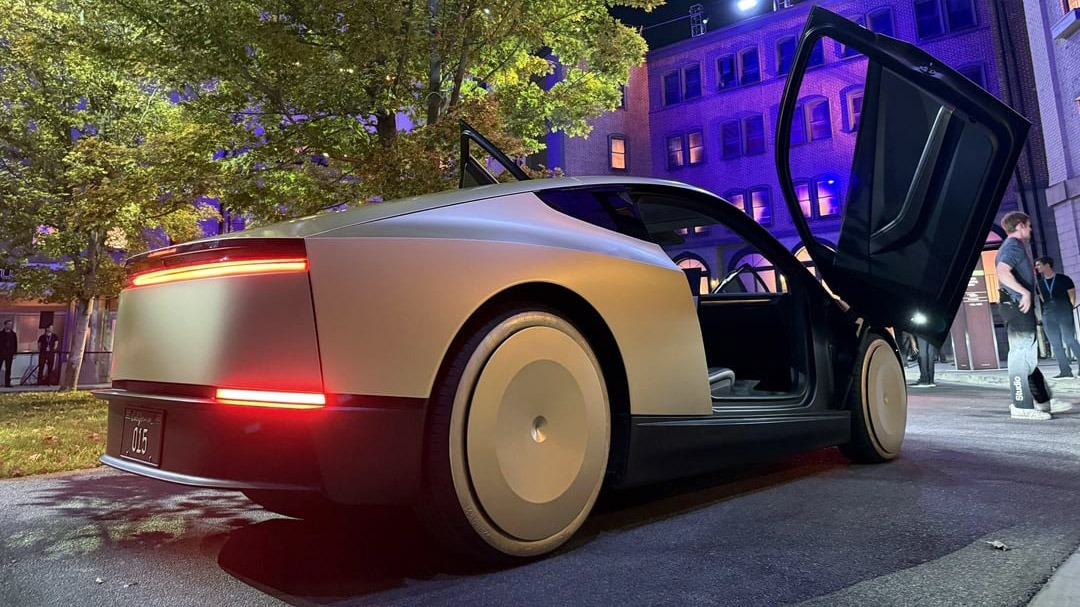
While navigating the regulatory landscape in China, Tesla is also laying the groundwork for similar breakthroughs in the United States. The company is keen on launching unsupervised FSD in Texas and California next year, with aspirations for a Robotaxi permit by 2026. To further this ambition, Tesla is in talks with the local government of Palo Alto to use its streets as testing grounds for its Robotaxi prototypes. The discussions are promising, as Tesla’s new global engineering and AI headquarters are based in Palo Alto, making it an ideal testing location.
For Palo Alto, partnering with Tesla could be an advantageous venture. The city is currently wrestling with funding challenges related to its Palo Alto Link service, which provides affordable ride-share options to the community. With Elon Musk previously stating that Robotaxi rides could cost as low as $0.30 per mile, a fleet of Tesla Robotaxis could offer a financially viable solution for both the city and its residents.
Nevertheless, for the Robotaxi to operate legally on Palo Alto streets, Tesla will need to pass evaluations conducted by the California Public Utilities Commission and the California Department of Motor Vehicles. These assessments will determine the safety and readiness of autonomous vehicles for public usage, posing another regulatory challenge for Tesla.
As Tesla progresses in these ventures, one thing is clear: the company is diligently working to meet regulatory standards, both in China and the United States, as it aims to revolutionize urban transportation with its cutting-edge autonomous driving technology.


