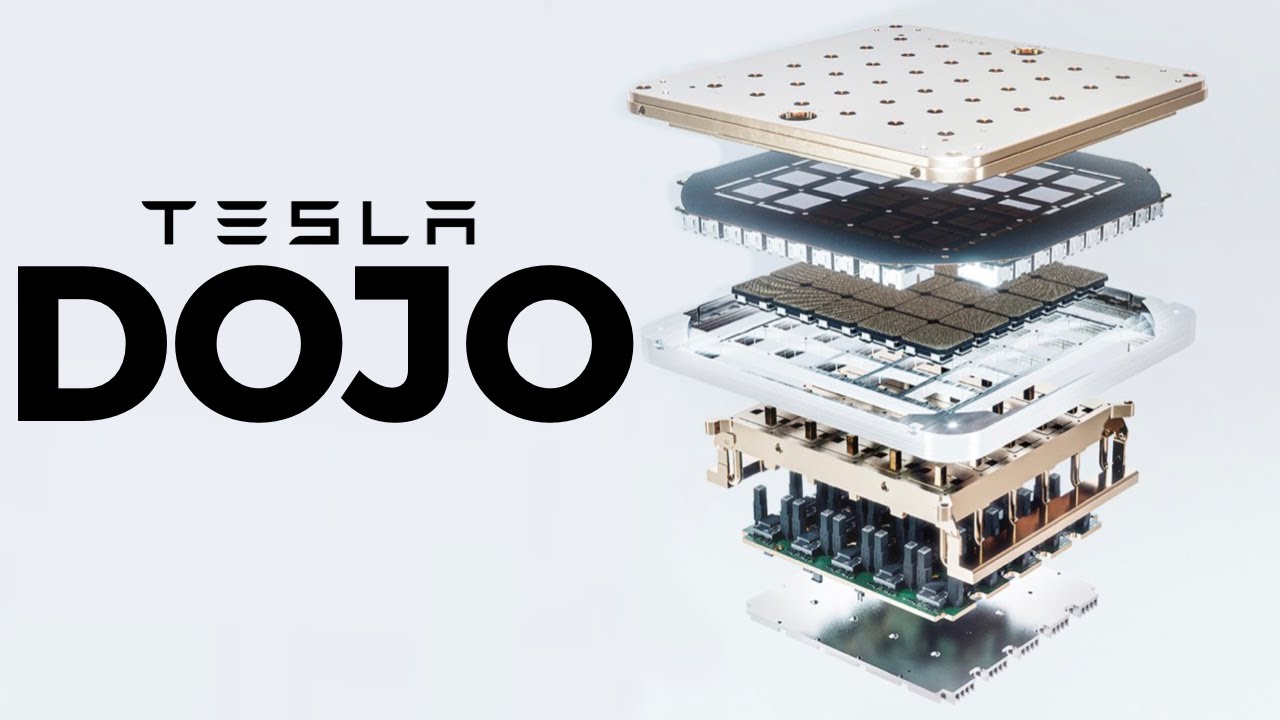
Tesla has decided to step back from its ambitious Dojo supercomputers, originally aimed at enhancing Full Self-Driving (FSD) technology and other innovations. Now, the company is opting to strengthen its collaboration with industry giants like NVIDIA and AMD to fulfill its computing needs.
The Dojo project marked Tesla’s foray into mainstream supercomputing, leveraging partnerships with companies like TSMC to boost its computing power for FSD and autonomous technology projects. However, a recent report highlights that Tesla is shifting gears, primarily influenced by Peter Bannon’s departure to start his own venture, DensityAI.
With about 20 team members moving to DensityAI and dwindling resources, Tesla has refocused its remaining personnel on data center projects. The departure of key talent has prompted Tesla to lean more heavily on external partners such as NVIDIA, ensuring no compromise on the computing prowess essential for FSD.
The former head of Dojo, Ganesh Venkataramanan, has joined forces with ex-Tesla colleagues at DensityAI, contributing to the decision to discontinue the Dojo effort. However, Elon Musk remains confident in his AI goals through xAI, which is developing massive hyperscalers in the US to support Tesla’s AI-driven features.
The future of Tesla’s collaboration with Samsung for AI6 chips remains uncertain, adding an intriguing layer to the company’s ongoing pursuit of cutting-edge AI technology.