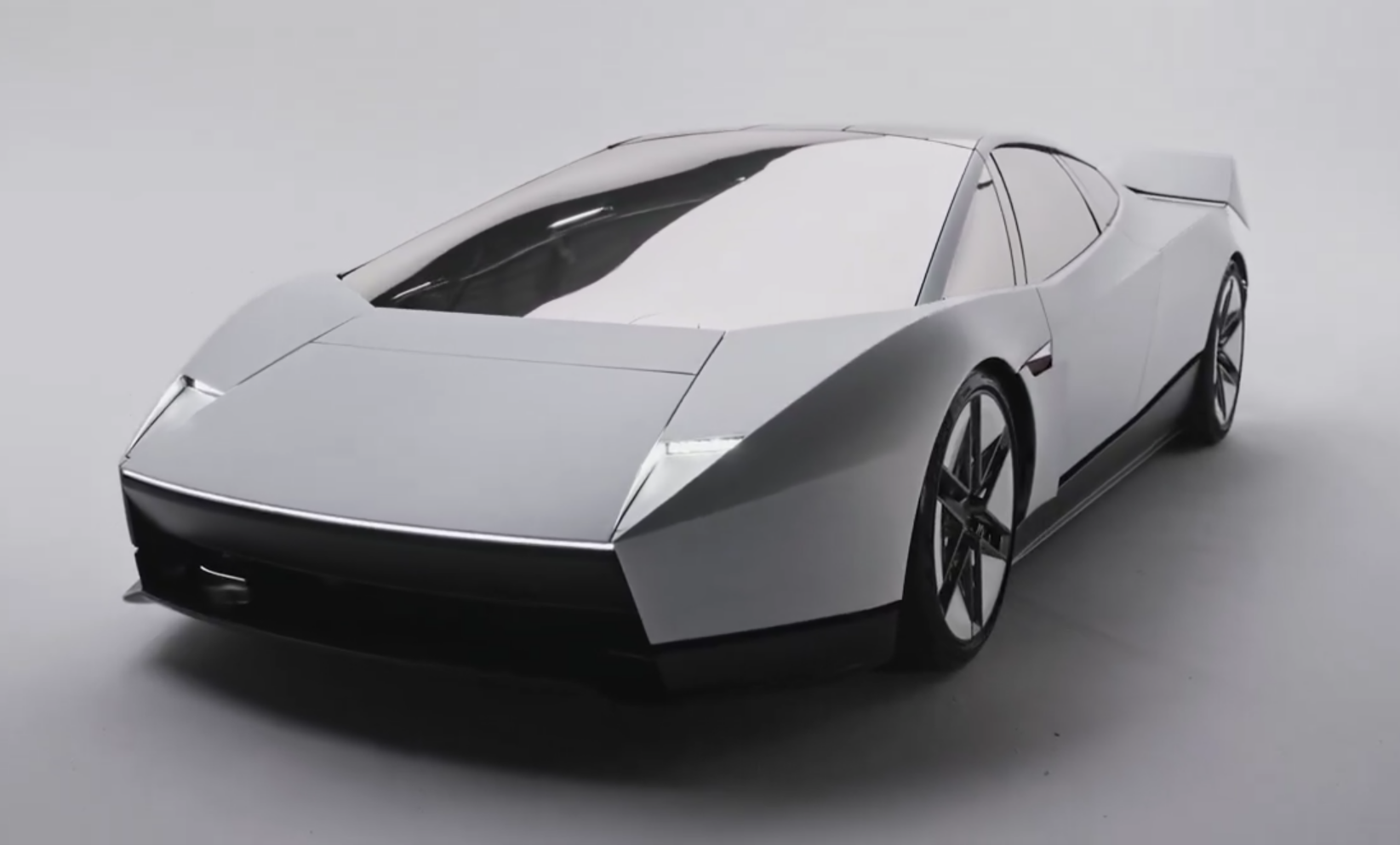
Tesla Roadster’s Wild Aerodynamics Could Redefine EV Performance
The Tesla Roadster has always been presented as more than just another electric sports car. Its latest performance details suggest Tesla is aiming for something far more extreme: an EV designed to use advanced aerodynamics and active airflow systems to stay glued to the road, even under intense cornering forces.
Vehicle shape plays a major role in how a car behaves at speed. As air moves over and under the body, it can either improve stability or create lift, making the car feel lighter and less planted. In most high-performance vehicles, aerodynamic parts such as rear spoilers, diffusers, splitters, and active wings are used to push the car downward. This added downforce helps the tires maintain grip, giving the driver better control during acceleration, braking, and cornering.
The Tesla Roadster takes this concept further with active rear and side wings. These components adjust airflow to create downforce, helping the EV remain stable at higher speeds. Similar aerodynamic ideas are used in many performance-focused cars, from track-ready sports cars to exotic supercars. The goal is simple: keep the tires firmly connected to the road so the car can handle sharper turns and faster speeds with confidence.
However, traditional downforce has a limitation. It depends heavily on speed. At lower speeds, there is less air moving across the body, which means less aerodynamic grip. Sudden changes in direction can also disrupt airflow, reducing the amount of downforce available at exactly the moment a driver needs traction most.
To solve this problem, the Tesla Roadster is said to use a multi-mode fan system designed to pull air out from underneath the vehicle. By extracting air from beneath the car and lowering the body closer to the ground, the system creates a suction effect. This approach is intended to generate downforce on demand, even when the vehicle is not traveling fast enough for conventional aerodynamics to be fully effective.
According to Tesla’s claims, this fan-assisted system can generate around 4,700 kg of force. If accurate, that figure would be extraordinary for a road-going electric vehicle. It suggests the Roadster could produce enough suction to dramatically increase grip and stability, allowing it to corner at more than 2 g. That level of cornering force would place it beyond many traditional sports cars and into territory usually associated with specialized racing machines.
Tesla has even claimed that the suction effect could be strong enough to hold the car to a surface while upside down. While that sounds like science fiction, the principle behind it is rooted in aerodynamics: if a system can generate enough downward force relative to the car’s weight, it can theoretically keep the vehicle pressed against a surface regardless of orientation.
The combination of active wings, a low-slung body, and fan-generated downforce could make the Tesla Roadster one of the most radical electric performance cars ever developed. Instead of relying only on power and acceleration, Tesla appears to be focusing on how the car interacts with air and road surfaces to unlock greater control.
If the final production model delivers on these promises, the Roadster could set a new benchmark for EV handling, cornering performance, and active aerodynamics. It would not only be fast in a straight line but also engineered to maintain grip in situations where many high-performance cars begin to struggle.
The Tesla Roadster’s aerodynamic system shows how electric sports cars may evolve in the future. Raw horsepower is no longer the only measure of performance. The next breakthrough may come from how intelligently a vehicle manages airflow, traction, and downforce in real time.