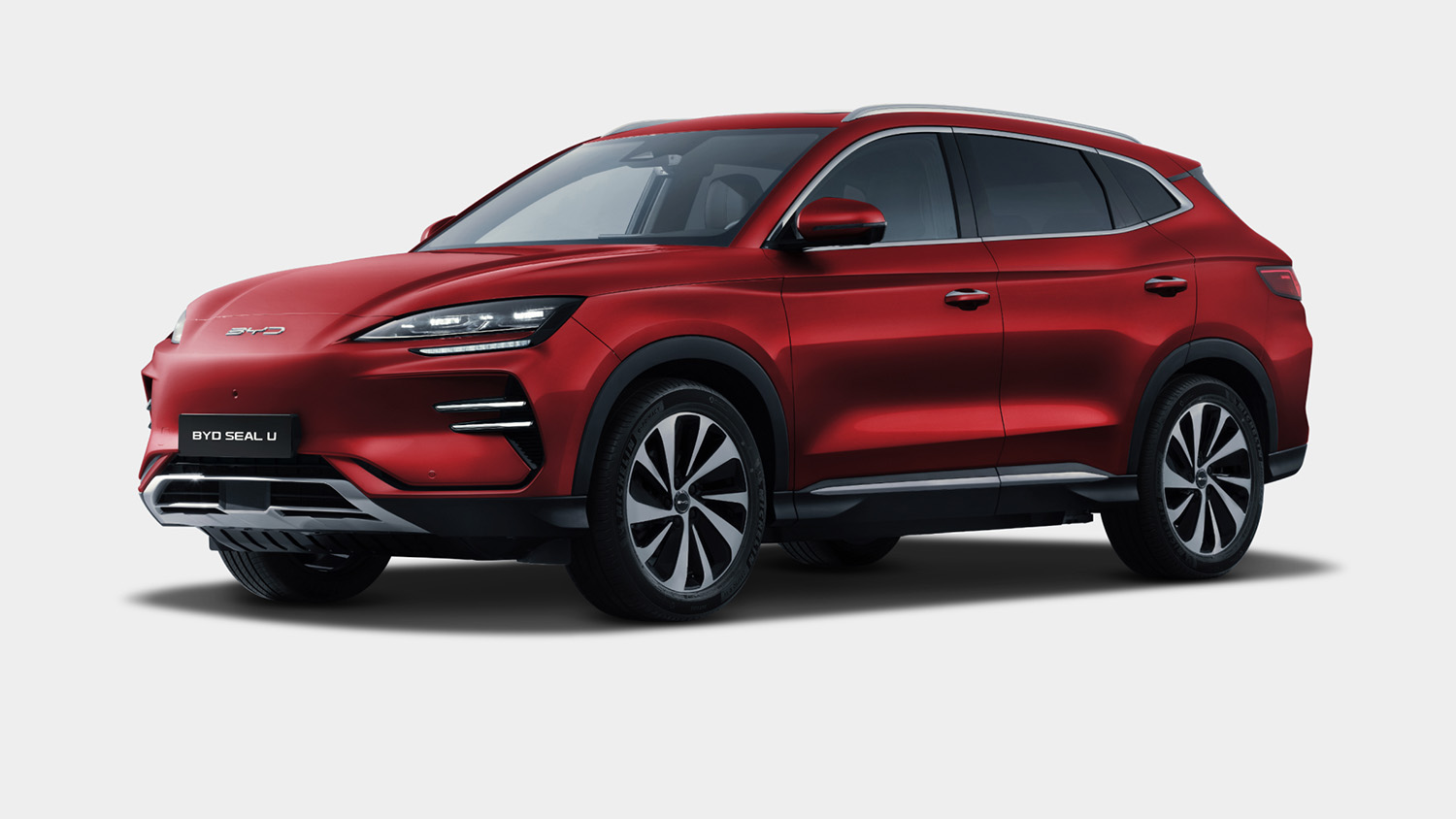
As the global automotive industry embraces electrification, significant developments continue to arise, particularly concerning the involvement of Chinese electric vehicle (EV) manufacturers. One such company, BYD, has been focusing on extending its manufacturing capabilities, considering a factory near Mexico City that would predominantly cater to the local market. Despite the potential for exports, a representative for BYD Americas asserted that the company has no plans to penetrate the U.S. market, alluding to the complexities surrounding electric vehicles in the region and suggesting a decline in investment for electric mobility within the United States.
On the governmental front, the U.S. administration under President Biden has identified potential national security risks with Chinese EVs. To address these concerns, President Biden has initiated an investigation into these vehicles, specifically “smart cars” that are finely connected to various data networks and could potentially send sensitive information back to China. This investigation aims to examine the degree to which such connected vehicles could compromise the safety and security of American citizens and infrastructure.
The U.S. government’s scrutiny echoes the sentiments of organizations like the Alliance for American Manufacturing, which previously issued a report cautioning against the incursion of Chinese companies into the Mexican automotive sector. The fear is that these companies may be establishing a backdoor entry into the U.S. market.
If America’s past actions regarding Huawei’s phone and networking gear are any indication, the investigation could lead to restrictions on importing Chinese electric cars to the U.S. This development might prove advantageous for American car manufacturers by curbing competition. However, Tesla, another major player in the industry, is also planning to construct a new Gigafactory in Mexico, likely to include a network of Chinese suppliers similar to those partnered with its Shanghai factory. With approximately 70% of the EV supply chain currently rooted in China, Tesla’s efforts in Mexico could introduce a complex dynamic to the industry.
As the administration undertakes this probe, the market awaits its outcomes. The potential ban on Chinese EVs presents an uncertain future for the relations between American and Chinese automotive industries amidst the electric revolution.
For those looking to enhance their EV setup, the Tesla Gen 2 Wall Connector with a 24-foot cable remains available for purchase on Amazon.