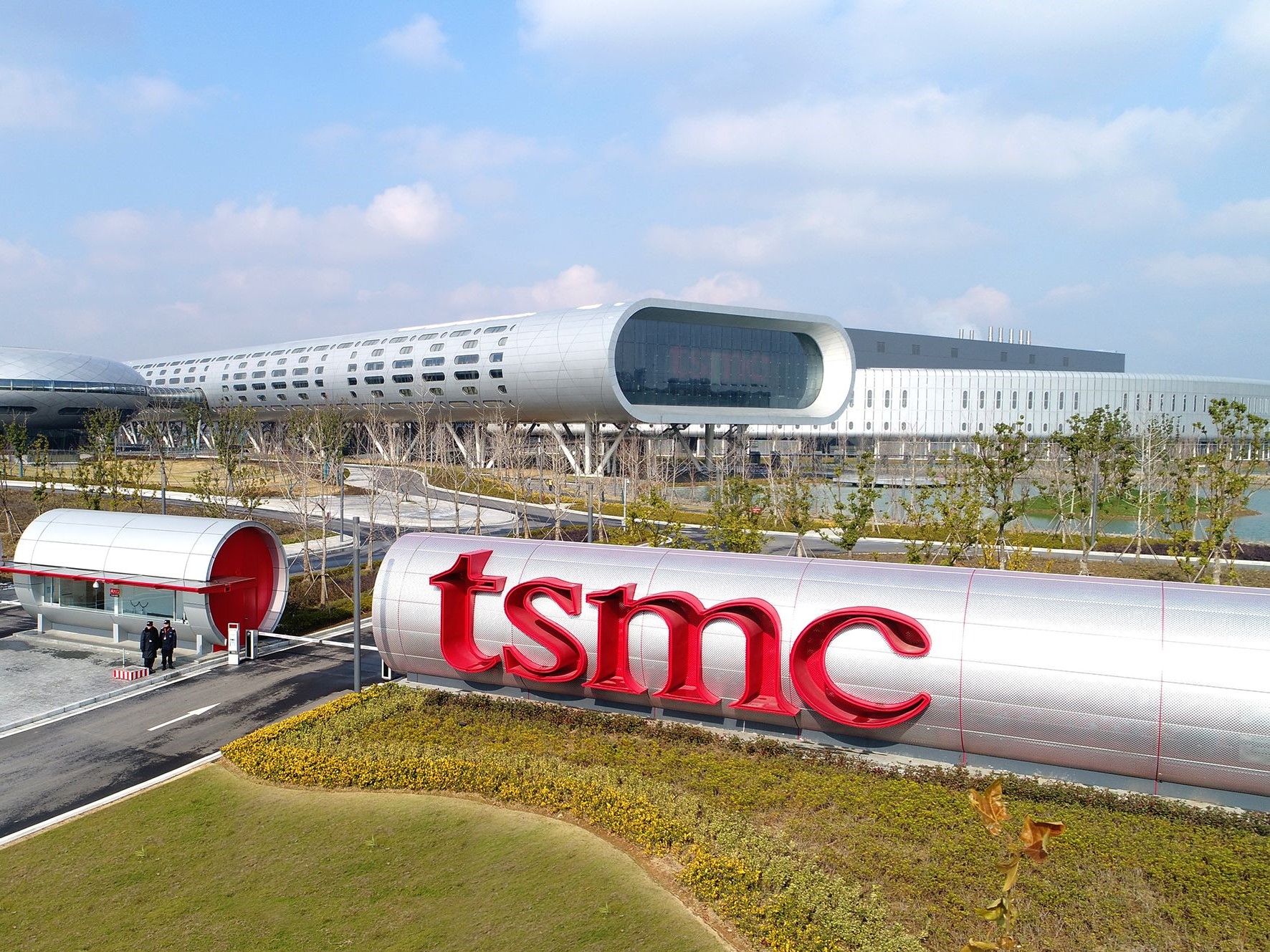
In the world of cutting-edge technology, the race to develop the most advanced processors is heating up. 2024 and beyond promise to be thrilling years for tech enthusiasts, as several major players are moving to embrace groundbreaking advancements in chip manufacturing. With the introduction of TSMC’s new 2 nm node (N2), the landscape is set for exciting innovations across various devices.
Apple is leading the charge, as expected, by pushing the envelope with its upcoming chips. The tech giant plans to roll out the Apple A20 Pro and M5, utilizing TSMC’s N2 technology. This signals a significant leap forward, with the A20 Pro debuting in 2025 for the iPhone 18 series and the M5 slated for release in Apple’s 2025 iPads. Dispelling earlier rumors, this definitive move solidifies Apple’s commitment to TSMC’s cutting-edge node.
Similarly, AMD is rethinking its strategic approach to production timelines. Traditionally trailing a nodal generation, AMD’s potential shift to TSMC’s N2 for the Zen 6 CPUs and CDNA 5 M1400 AI accelerators indicates a bold new direction. Expected in 2026, this adoption could enable AMD to leverage a mix of advanced and mature nodes to optimize production costs and efficiency.
Intel continues its collaboration with TSMC, eyeing the use of N2 for its ambitious Nova Lake line, set for 2026. However, Intel has kept options open, considering a switch to its own 14A node. The decision-making process will crystallize mid-2025 as they finalize designs, underscoring Intel’s agile strategy in the ever-evolving processor market.
Nvidia is also making significant strides with its focus on the successor to the Rubin platform. Slated for a 2026 tape-out and 2027 mass production, these advancements fit seamlessly into Nvidia’s comprehensive roadmap, aiming for enhanced data center capabilities while maintaining continuity with its existing technology.
Other notable industry names include Broadcom and Bitmain, both anticipated to integrate the N2 node into their ASICs. MediaTek plans to stay competitive with its 2 nm chip expected to tape out in 2025, possibly marking the emergence of the Dimensity 9600.
Curiously absent from the list is Qualcomm, which could indicate a strategic pivot back to Samsung Foundry. The absence raises questions about the future direction of Snapdragon’s top-tier processors, adding an intriguing layer of speculation in the semiconductor race.
In essence, the anticipated deployment of TSMC’s 2 nm node marks a pivotal shift across the tech industry. As companies gear up for launches in the coming years, this evolutionary step promises to redefine capabilities, providing consumers with the next generation of high-performance devices. Whether it’s smartphones, desktop CPUs, or AI accelerators, the dawn of the 2 nm era is poised to reshape our digital futures.