Hollow Knight: Silksong is smashing expectations and stirring debate in equal measure. In under two weeks, the sequel has reportedly sold 3.2 million copies on Steam, generated about $50 million in revenue, and pulled in more than 5 million players across all platforms. Alongside the celebration, one talking point keeps dominating reviews, threads, and comment sections: Silksong is tough.
It isn’t just newcomers feeling the sting. Longtime fans of the original Hollow Knight are also calling out punishing bosses, tight platforming, and enemies that hit hard. The conversation got loud enough that modders jumped in early with tweaks to tone down double damage and smooth out some spikes.
Team Cherry has heard it all—and they aren’t backing away from the game’s challenge. At a panel during the Game Worlds exhibition at the Australian Centre for the Moving Image in Melbourne, co-directors Ari Gibson and William Pellen described Silksong’s “steep difficulty curve” as a deliberate design choice tied to player agency and freedom.
Gibson explained that the difficulty comes hand-in-hand with a world that constantly lets you choose where to go and how to approach problems. Pharloom, the sprawling new kingdom, is built with layered routes, hidden upgrades, and optional detours that can dramatically change your experience. One player might push straight through the critical path, while another wanders off to discover tools and abilities that make daunting encounters far more manageable.
The goal, Gibson said, is to prevent players from getting stonewalled by any single challenge. Silksong offers multiple ways to mitigate difficulty: explore new areas, learn enemy patterns, or even bypass a problem altogether if you find the right route. In other words, the game’s highest hurdles often have more than one way around them—you just have to find it.
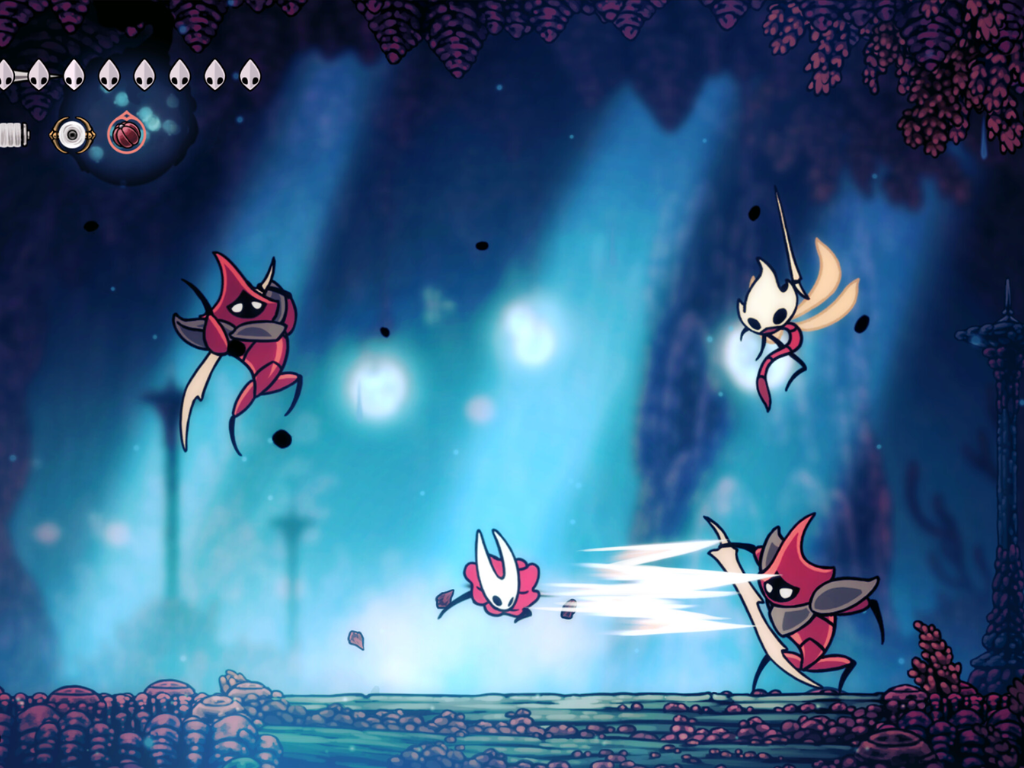
Pellen shed light on why some enemies feel so relentless. Hornet is faster and more agile than the Knight, which means foes had to evolve to keep up. As an example, he noted that the basic ant warrior is built from the same move-set as the original Hornet boss. Enemies need more ways to catch a character who’s constantly darting out of reach, so their behaviors and pressure are dialed up accordingly.
That design philosophy explains both the intensity and the satisfaction of Silksong’s combat and platforming. The challenge is there by design, but so are the tools to overcome it—often tucked just off the beaten path.
Silksong’s commercial momentum suggests it could surpass the original’s lifetime performance. And for players who prefer a gentler ride, community-made mods are already circulating to adjust enemy behavior and soften some platforming demands. For everyone else, the developers’ message is clear: embrace the freedom, take the scenic route, and let exploration be your difficulty slider.


